solito
“solito” means “all alone” in Spanish. It has 2 different meanings depending on context:
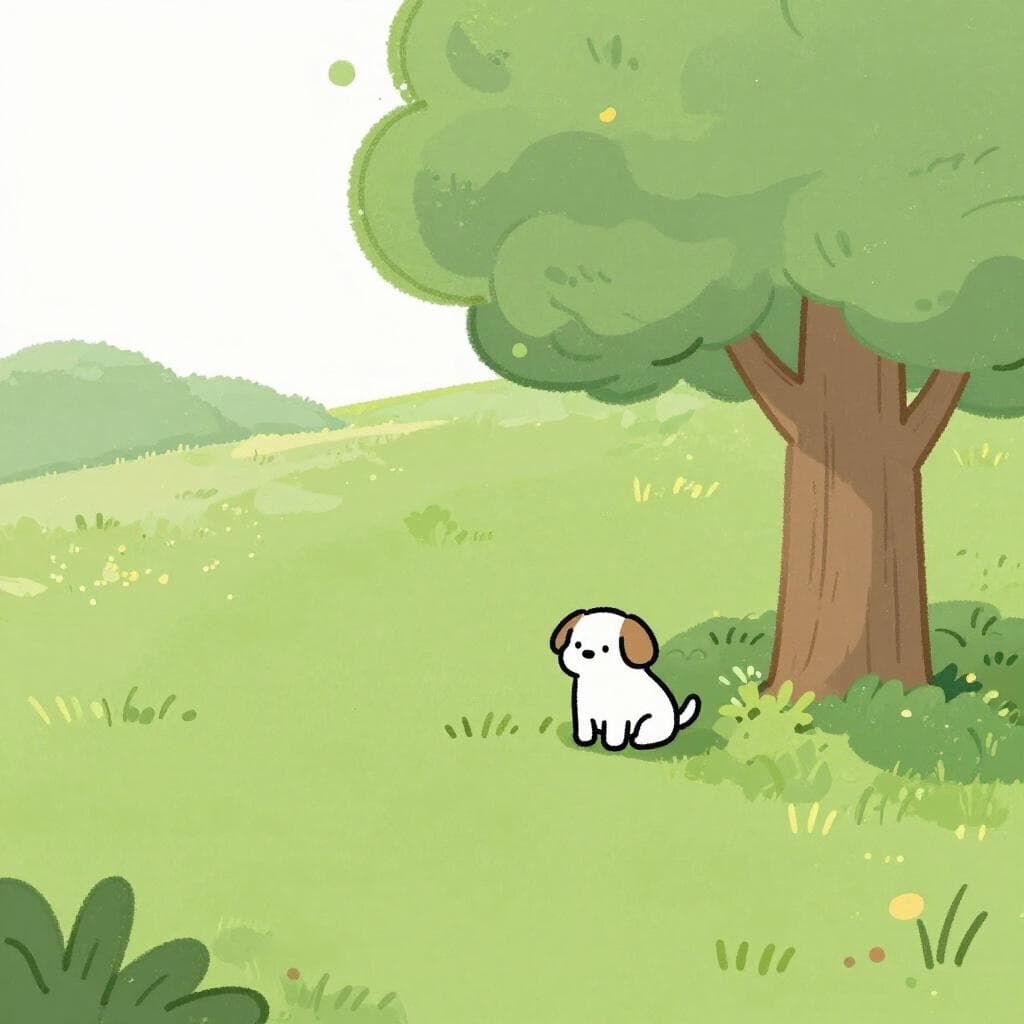

all alone, all by myselfAlso: lonely

📝 In Action
El niño se quedó solito en la casa.
A1The little boy stayed all alone in the house.
Lo terminé yo solito, sin ayuda de nadie.
A2I finished it all by myself, without anyone's help.
Pobrecito, está ahí solito en el frío.
B1Poor thing, he's there all by himself in the cold.
Word Connections
on its own, by itself

📝 In Action
No te preocupes, el problema se va a arreglar solito.
B1Don't worry, the problem is going to fix itself on its own.
La puerta se cerró solita con el viento.
A2The door closed by itself with the wind.
Este programa se instala solito.
B2This program installs itself automatically.
Word Connections
✏️ Quick Practice
Quick Quiz: solito
Question 1 of 3
If you finished a big project without any help and want to sound proud, what would you say?
📚 More Resources
👥 Word Family
📚 Etymology
Formed by taking the Spanish word 'solo' (from the Latin 'solus' meaning 'alone') and adding the affectionate diminutive suffix '-ito.'
First recorded: 16th century (common usage of diminutives developed early in Spanish)
Cognates (Related words)
💡 Master Spanish
Take your Spanish to the next level. Read 200+ illustrated and narrated Spanish stories tailored to your level with the Inklingo app!
Frequently Asked Questions
What is the difference between 'solo' and 'solito'?
'Solo' is neutral and simply means alone. 'Solito' adds emotion—it can make the person sound lonely and cute (poor thing!) or emphasize that they did something totally by themselves (impressive!).
Can I use 'solito' in a business meeting?
It is better to avoid it. 'Solito' is quite informal and sounds very conversational. Stick to 'solo' or 'por mi cuenta' in professional settings.
Is 'solito' used in Spain?
Yes, but it is much more frequent in Latin America. In Spain, people tend to use 'solo' more often unless they are speaking very affectionately to children or pets.