sombras
“sombras” means “shadows” in Spanish. It has 3 different meanings depending on context:
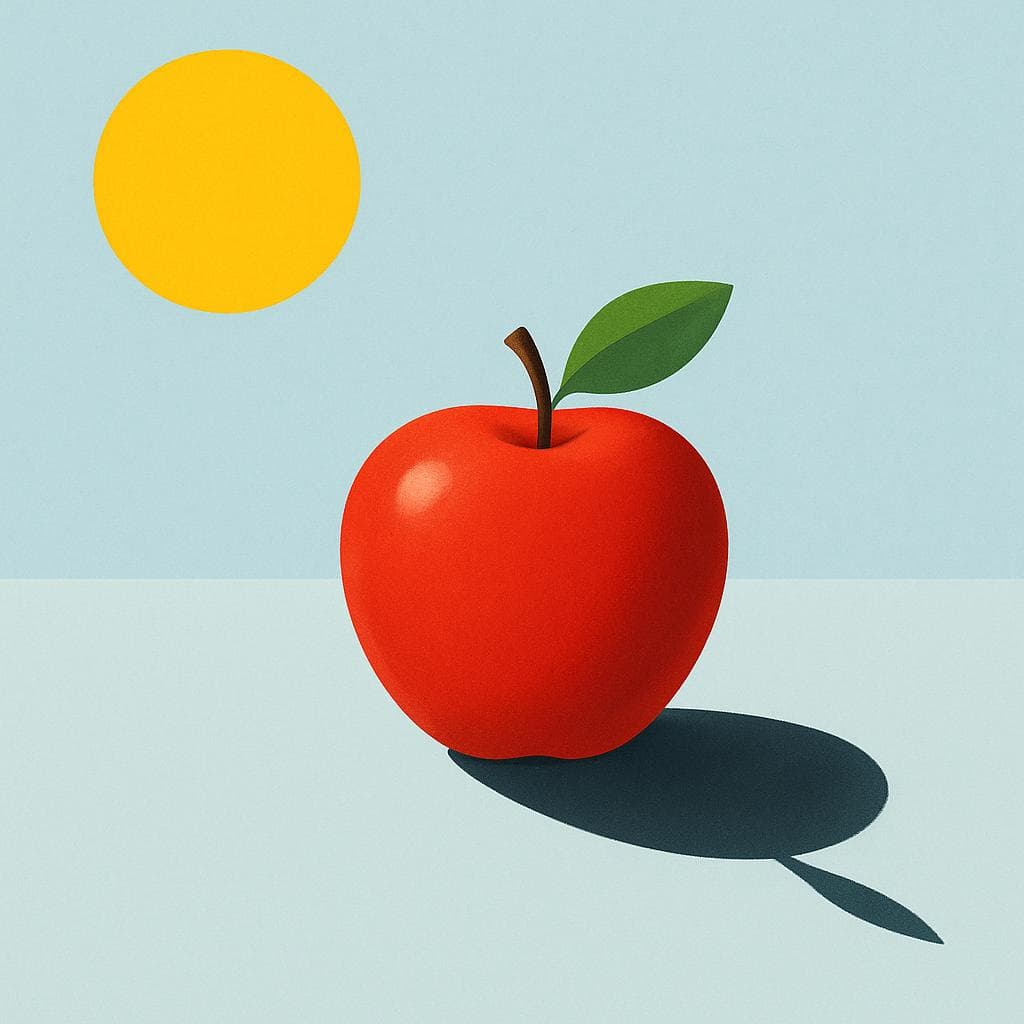

shadows, shade
Also: silhouettes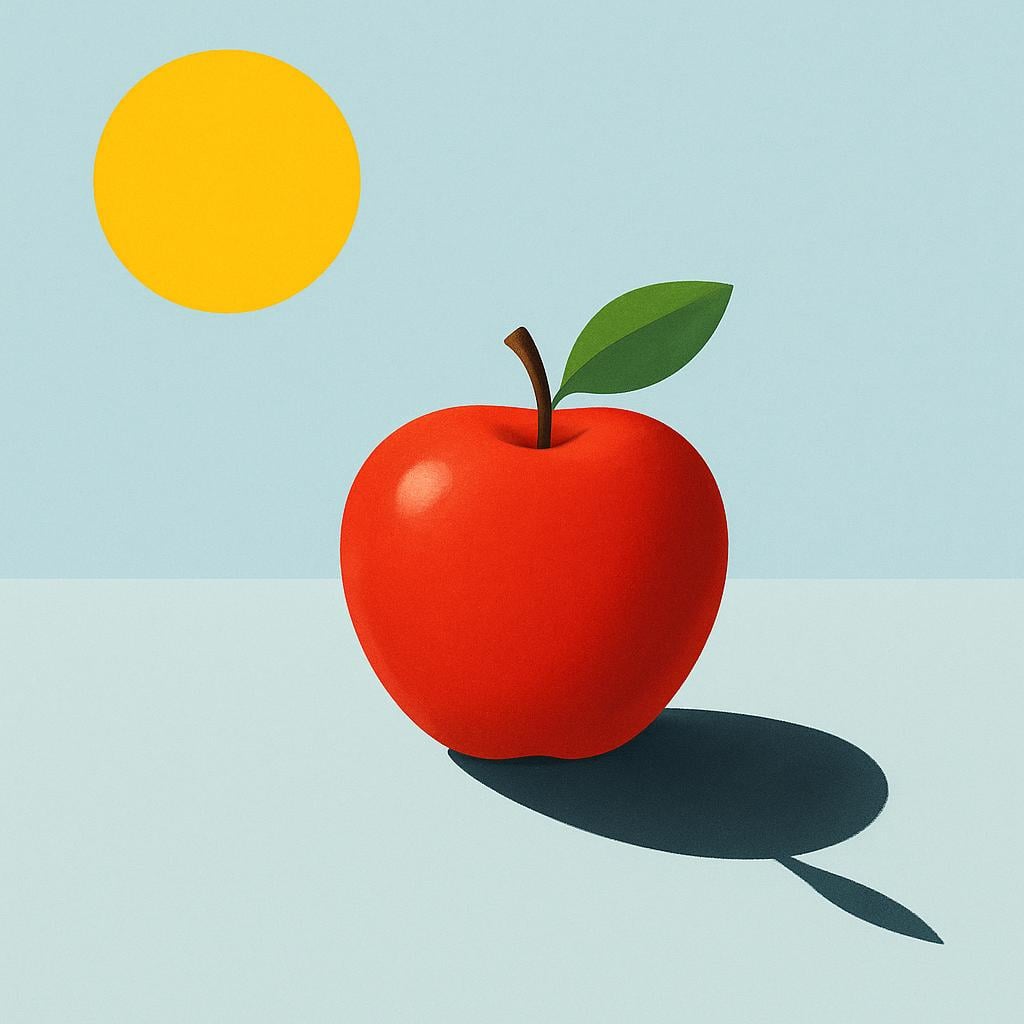
📝 In Action
Las sombras de la tarde se hicieron muy largas.
A1The evening shadows became very long.
Buscamos las sombras de un árbol para descansar del sol.
A2We looked for the shade of a tree to rest from the sun.
eyeshadow

📝 In Action
Compré unas sombras de ojos de color verde brillante.
A2I bought some bright green eyeshadow.
Ella siempre se pone sombras antes de salir.
B1She always puts on eyeshadow before going out.
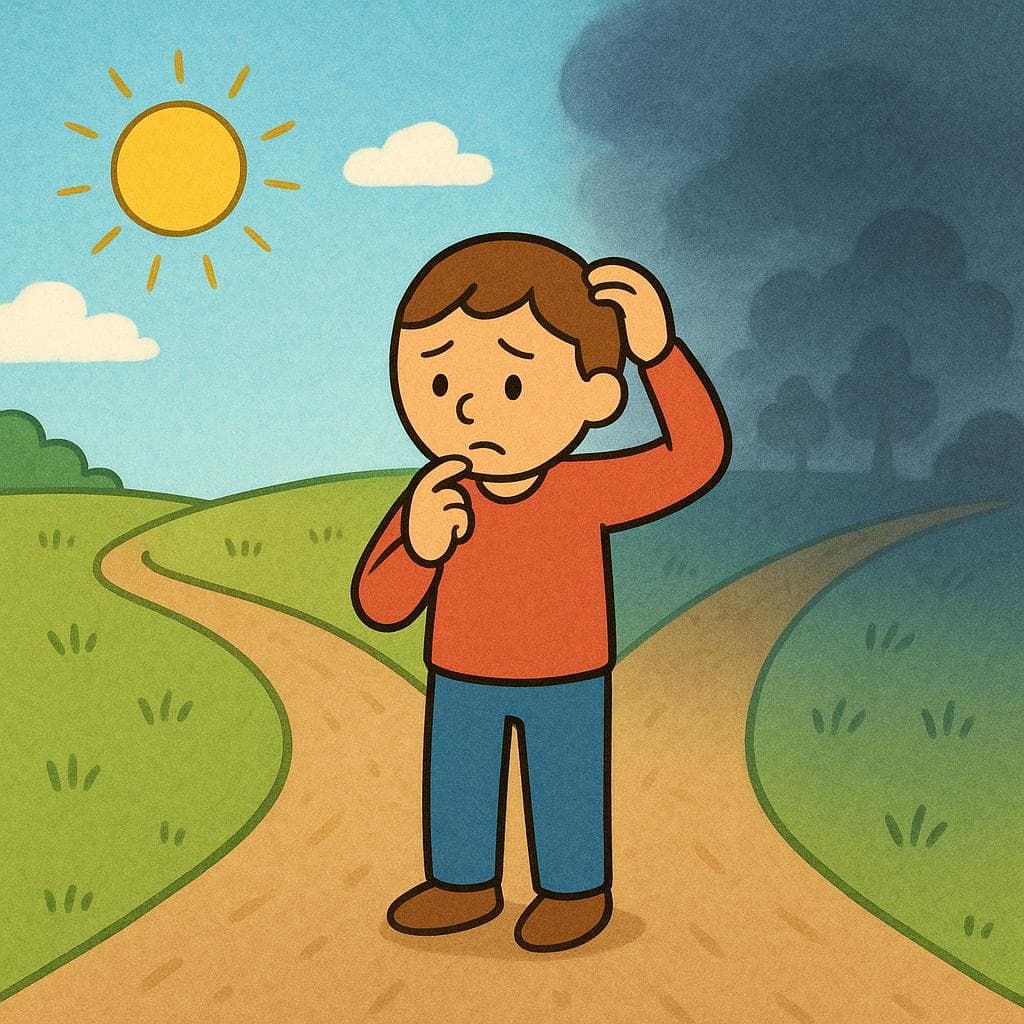
doubts, gloom
Also: secrets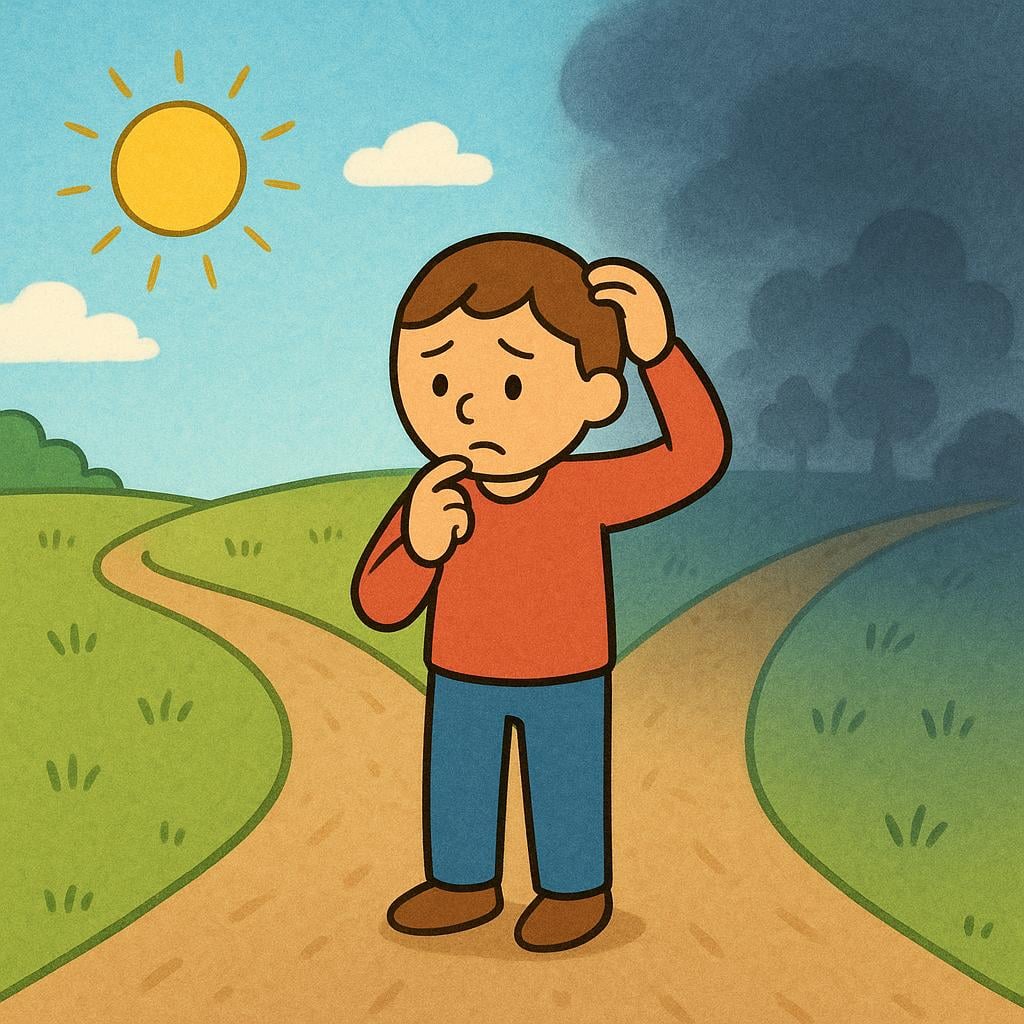
📝 In Action
La crisis puso muchas sombras sobre el futuro de la empresa.
B2The crisis cast many doubts on the company's future.
Hay que sacar a la luz las sombras del pasado político.
C1We must bring the secrets (or dark parts) of the political past to light.
Translate to Spanish
✏️ Quick Practice
Quick Quiz: sombras
Question 1 of 2
Which meaning of 'sombras' is being used in the sentence: 'Siempre hay sombras de incertidumbre en la política.'
📚 More Resources
👥 Word Family▼
📚 Etymology▼
The word comes directly from the Latin word *umbra*, which means 'shadow' or 'shade.' This root is the source of related words in English, like 'umbrella' (something that provides shade) and 'umbrage' (feeling of being overshadowed or offended).
First recorded: 12th century (in the singular form)
Cognates (Related words)
💡 Master Spanish
Take your Spanish to the next level. Read 200+ illustrated and narrated Spanish stories tailored to your level with the Inklingo app!
Frequently Asked Questions
Why is 'sombras' (plural) often used when talking about shade (singular)?
Spanish speakers commonly use the plural 'sombras' when referring to a general area of relief from the sun, like saying 'the shades' rather than 'the shade.' If you mean the outline of a specific object, you would use the singular, 'la sombra.'
How do I know if 'sombras' means eyeshadow or actual shadows?
Context is key! If the verb used is 'aplicar' (to apply) or 'comprar' (to buy) and the setting is beauty, it means eyeshadow. If the context involves light, trees, or darkness, it means physical shadows.