sospechas
“sospechas” means “suspicions” in Spanish. It has 2 different meanings depending on context:
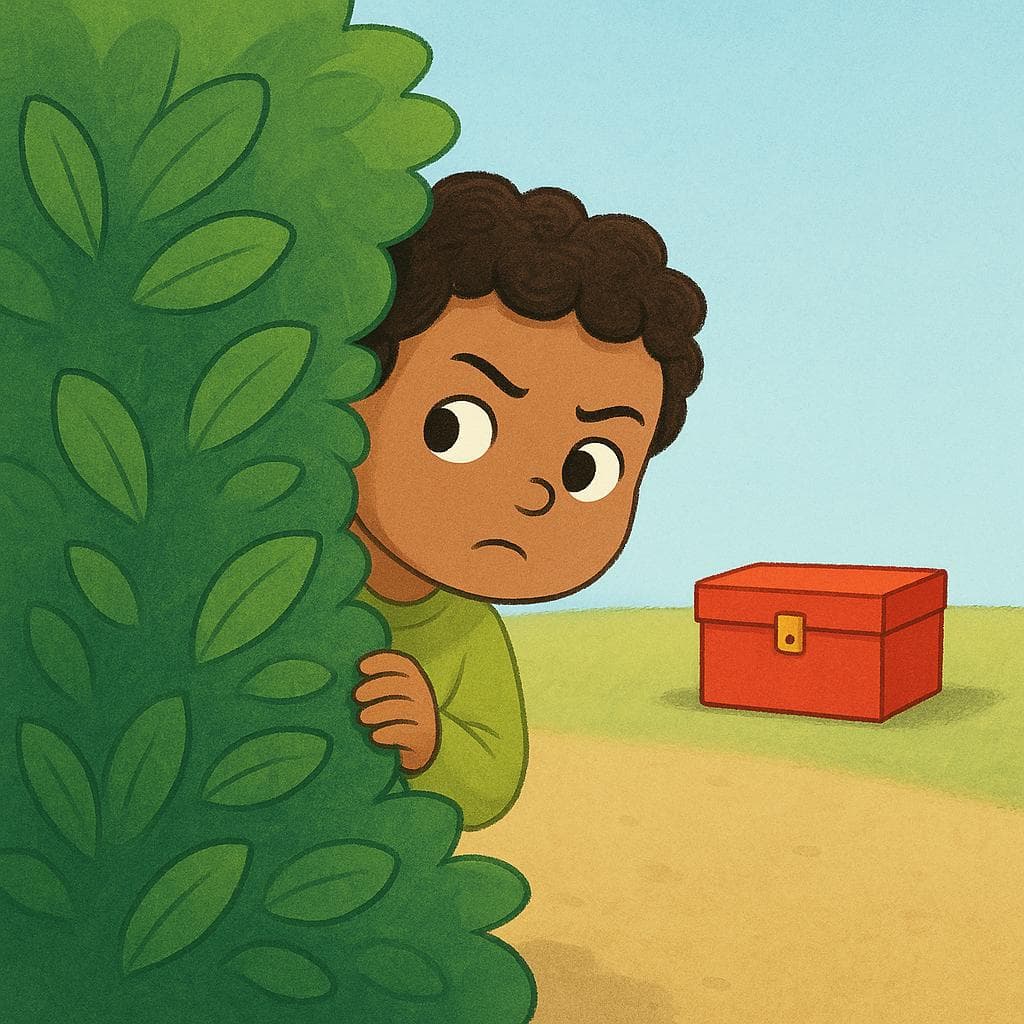

suspicions
Also: doubts, misgivings
📝 In Action
Tengo serias sospechas sobre la nueva empleada.
B1I have serious suspicions about the new employee.
Las sospechas del policía resultaron ser ciertas.
B2The police officer's suspicions turned out to be true.
No hay pruebas, solo sospechas.
B1There is no proof, just suspicions.
you suspect
Also: you doubt
📝 In Action
¿Tú sospechas algo de lo que dijo Juan?
A2Do you suspect anything about what Juan said?
Si sospechas que algo está mal, debes decirlo.
B1If you suspect that something is wrong, you should say it.
Siempre sospechas de mis intenciones.
A2You always suspect my intentions.
Indicative
Present
Imperfect
Preterite
Subjunctive
Present Subjunctive
Imperfect Subjunctive
Translate to Spanish
✏️ Quick Practice
Quick Quiz: sospechas
Question 1 of 1
Which of these sentences uses 'sospechas' as a verb?
📚 More Resources
👥 Word Family▼
🎵 Rhymes▼
📚 Etymology▼
Comes from the Latin word 'suspectāre', which meant 'to look up at, to look secretly, or to mistrust'. It shares roots with the English word 'suspect'.
First recorded: 13th century
Cognates (Related words)
💡 Master Spanish
Take your Spanish to the next level. Read 200+ illustrated and narrated Spanish stories tailored to your level with the Inklingo app!
Frequently Asked Questions
How do I know if 'sospechas' is the noun or the verb?
Look at the small words around it! If you see 'las', 'mis', 'tus', or it's at the start of a sentence acting as the subject, it's the noun ('suspicions'). If you see 'tú' right before it, or it follows a question word (like 'qué' or 'por qué') and means 'you suspect', it's the verb.