Inklingo

sospecha

/soh-SPEH-chah/

suspicion

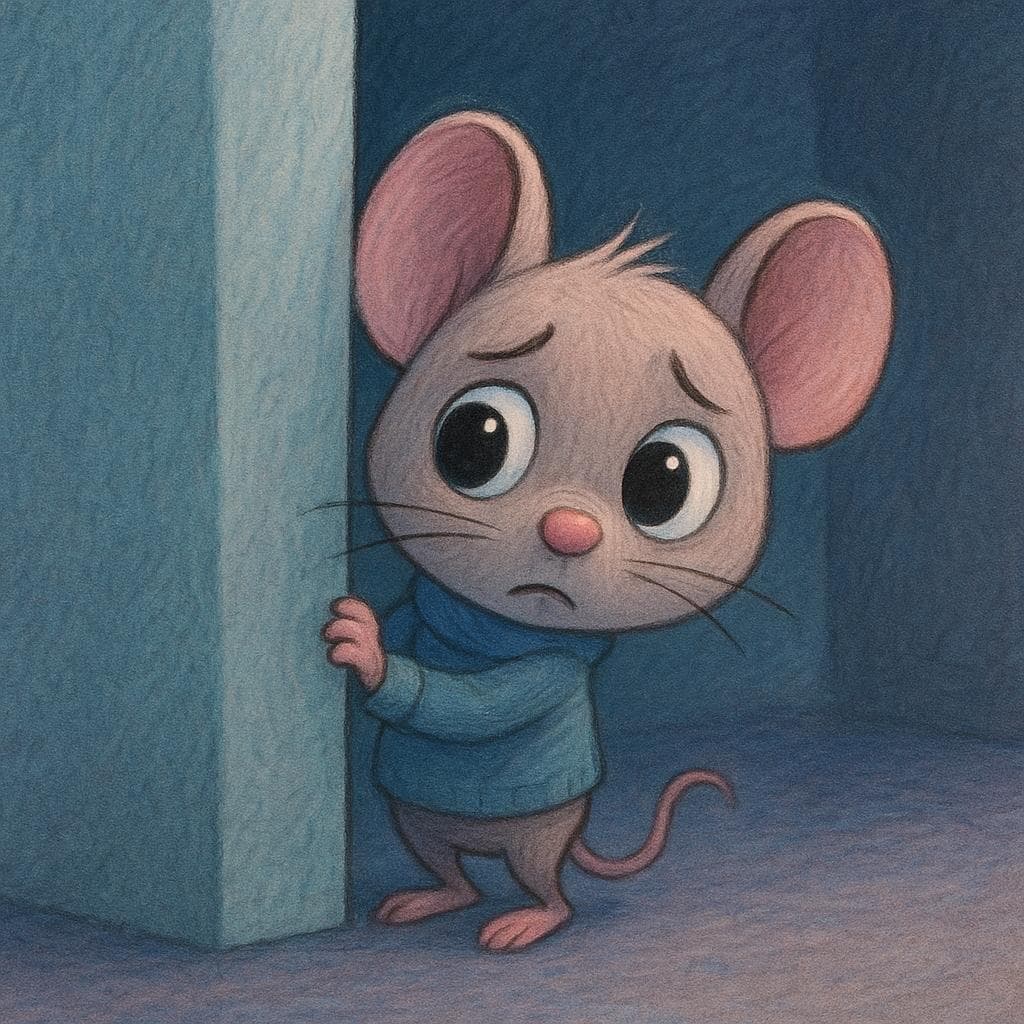
A small, wide-eyed cartoon mouse hiding behind a large piece of cheese, peering nervously at a dark shadow approaching from the side, illustrating a feeling of suspicion.

When you have a feeling that something is wrong, you have sospecha (suspicion).

sospecha(noun)

fB1

suspicion

?

a feeling that something is wrong

Also:

doubt

?

mistrust

,

inkling

?

a slight indication

📝 In Action

La policía actuó bajo la sospecha de fraude.

B1

The police acted under the suspicion of fraud.

No tengo ninguna sospecha sobre su honestidad.

A2

I don't have any suspicion about his honesty.

Su comportamiento levantó muchas sospechas.

B2

His behavior raised a lot of suspicions.

Word Connections

Synonyms

  • duda (doubt)
  • recelo (mistrust)

Antonyms

Common Collocations

  • bajo sospechaunder suspicion
  • tener una sospechato have a suspicion

💡 Grammar Points

Using 'Tener'

To express that you feel suspicious, Spanish uses the verb 'tener' (to have): 'Tengo una sospecha' (I have a suspicion).

❌ Common Pitfalls

Using 'Ser' or 'Estar'

Mistake: "Soy sospecha / Estoy sospecha"

Correction: Use 'Tener una sospecha' (I have a suspicion) or 'Tener sospechas' (I have suspicions).

⭐ Usage Tips

Plural Form

Using the plural 'sospechas' often refers to multiple specific doubts or reasons for mistrust.

A cartoon detective wearing a trench coat and hat, holding a magnifying glass and looking intensely at a single, isolated footprint in the dirt, depicting the act of suspecting.

If he thinks someone committed an action, él sospecha (he suspects).

sospecha(verb)

A2regular ar

he/she/it suspects

?

present tense action

Also:

(you formal) suspect

?

Usted form, present tense

📝 In Action

Ella sospecha que su vecino sabe la verdad.

A2

She suspects that her neighbor knows the truth.

¿Usted sospecha que hubo un error en el cálculo?

B1

Do you (formal) suspect that there was an error in the calculation?

Si el perro sospecha algo, ladra mucho.

A2

If the dog suspects something, it barks a lot.

💡 Grammar Points

Regular -AR Verb

'Sospechar' follows the standard pattern for verbs ending in -ar, making it easy to conjugate once you know the basic endings.

⭐ Usage Tips

Followed by 'Que'

When you suspect something specific, you often follow the verb with 'que' (that): 'Sospecho que me miente' (I suspect that he is lying to me).

🔄 Conjugations

indicative

present

él/ella/ustedsospecha
yosospecho
sospechas
ellos/ellas/ustedessospechan
nosotrossospechamos
vosotrossospecháis

imperfect

él/ella/ustedsospechaba
yosospechaba
sospechabas
ellos/ellas/ustedessospechaban
nosotrossospechábamos
vosotrossospechabais

preterite

él/ella/ustedsospechó
yosospeché
sospechaste
ellos/ellas/ustedessospecharon
nosotrossospechamos
vosotrossospechasteis

subjunctive

present

él/ella/ustedsospeche
yosospeche
sospeches
ellos/ellas/ustedessospechen
nosotrossospechemos
vosotrossospechéis

imperfect

él/ella/ustedsospechara
yosospechara
sospecharas
ellos/ellas/ustedessospecharan
nosotrossospecháramos
vosotrossospecharais

✏️ Quick Practice

💡 Quick Quiz: sospecha

Question 1 of 2

Which sentence uses 'sospecha' as a description of a feeling (a noun)?

📚 More Resources

Word Family

Frequently Asked Questions

What is the difference between 'sospecha' and 'sospechar'?

They are related! 'Sospecha' (feminine noun) is the feeling of doubt or mistrust itself. 'Sospechar' (verb) is the action of having that feeling. The word form 'sospecha' is also the conjugated verb form for 'he/she/it suspects' ('Él sospecha').

How do I say 'I am suspicious'?

You usually say 'Tengo una sospecha' (I have a suspicion) or 'Soy sospechoso/a' (I am a suspicious person/figure). You can also use the verb: 'Sospecho' (I suspect).