How to Say "suspicion" in Spanish
The most common Spanish word for “suspicion” is “sospecha” — use 'sospecha' when referring to a general feeling that something is wrong, often in a formal or investigative context, like a suspicion of a crime or wrongdoing.



sospecha
soh-SPEH-chahsosˈpetʃa

Examples
La policía actuó bajo la sospecha de fraude.
The police acted under the suspicion of fraud.
No tengo ninguna sospecha sobre su honestidad.
I don't have any suspicion about his honesty.
Su comportamiento levantó muchas sospechas.
His behavior raised a lot of suspicions.
Using 'Tener'
To express that you feel suspicious, Spanish uses the verb 'tener' (to have): 'Tengo una sospecha' (I have a suspicion).
Using 'Ser' or 'Estar'
Mistake: “Soy sospecha / Estoy sospecha”
Correction: Use 'Tener una sospecha' (I have a suspicion) or 'Tener sospechas' (I have suspicions).
desconfianza
des-kon-fyan-sahdeskonˈfjanθa

Examples
Siento un poco de desconfianza hacia los vendedores que gritan mucho.
I feel a bit of distrust toward salespeople who shout a lot.
La falta de comunicación generó desconfianza entre los socios.
The lack of communication created distrust between the partners.
Ella me miró con desconfianza cuando le pedí las llaves de su coche.
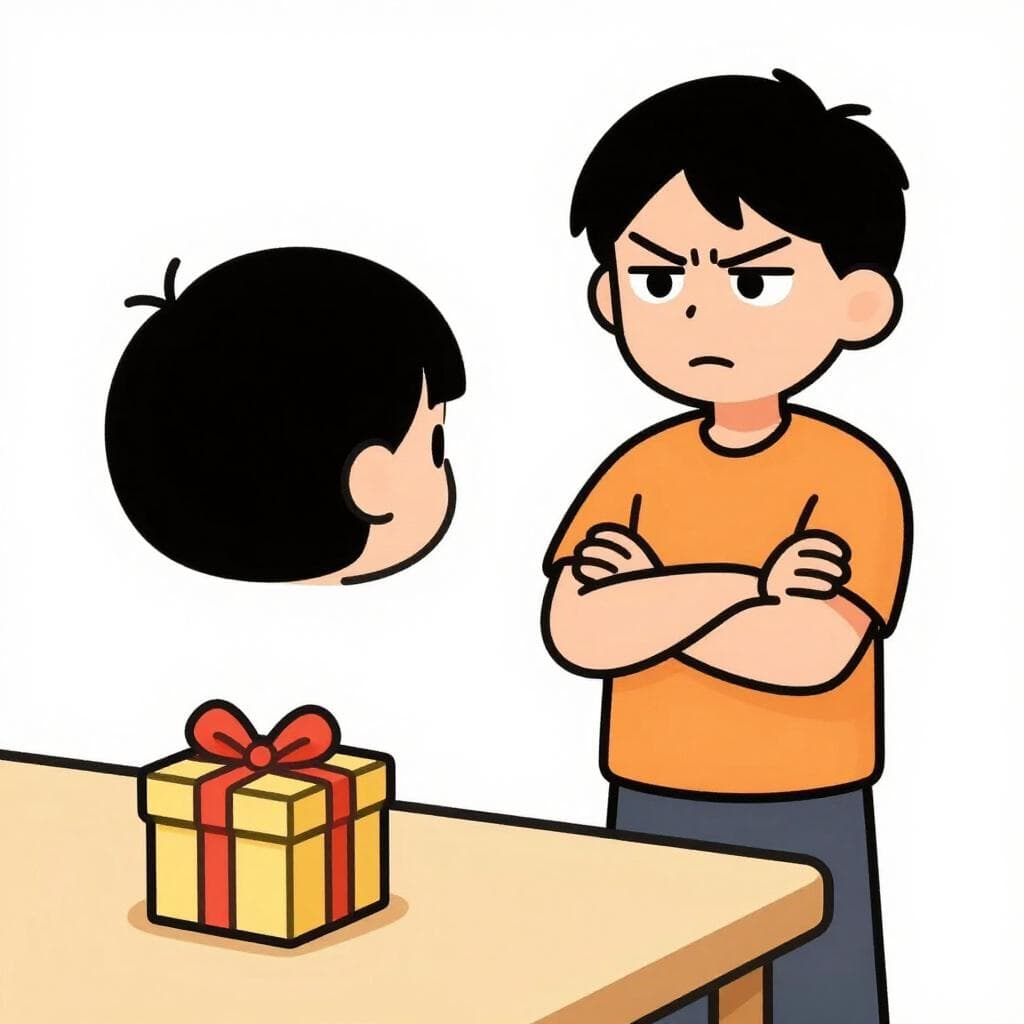
She looked at me with suspicion when I asked for her car keys.
The 'Des-' Power
The 'des-' at the beginning is like the English 'un-' or 'dis-'. It simply takes the word for trust (confianza) and turns it into its opposite.
Connecting to People
To say who you don't trust, use the words 'en' (in) or 'hacia' (toward) right after desconfianza.
Confusing Nouns and Actions
Mistake: “Yo desconfianza de él.”
Correction: Yo desconfío de él (I distrust him) OR Siento desconfianza hacia él (I feel distrust toward him). 'Desconfianza' is the name of the feeling, not the action itself.
paranoia
pah-rah-NOY-ahpaɾaˈnoʝa

Examples
Tengo la paranoia de que alguien me está siguiendo.
I have the paranoia that someone is following me.
No te montes paranoias, ella solo es amable.
Don't start imagining things, she's just being nice.
La película es una paranoia total, no entiendo nada.
The movie is totally trippy/weird, I don't understand anything.
Using the noun 'paranoia' vs. the adjective
In Spanish, you 'have' (tener) paranoia or there 'is' (hay) paranoia. If you want to describe a person, use the adjective 'paranoico' (paranoid).
The plural 'paranoias'
While the feeling is 'paranoia', people often use the plural 'paranoias' to refer to specific 'crazy thoughts' or 'imaginary problems' someone is inventing.
Using 'ser' with paranoia
Mistake: “Él es mucho paranoia.”
Correction: Él tiene mucha paranoia (He has a lot of paranoia) or Él es muy paranoico (He is very paranoid).
moscas
MO-skahsˈmoskas

Examples
Lleva un paraguas, por si las moscas.
Take an umbrella, just in case (literally: 'for if the flies').
Parece que tiene la mosca detrás de la oreja con ese negocio.
It seems he is suspicious about that deal (literally: 'he has the fly behind his ear').
Fixed Phrases
These phrases are fixed and cannot be changed. For example, 'por si las moscas' always uses the plural 'moscas' and cannot be changed to 'por si la mosca'.
Sospecha vs. Desconfianza
Learn Spanish with Inklingo
Interactive stories, personalized learning, and more.