How to Say "flies" in Spanish
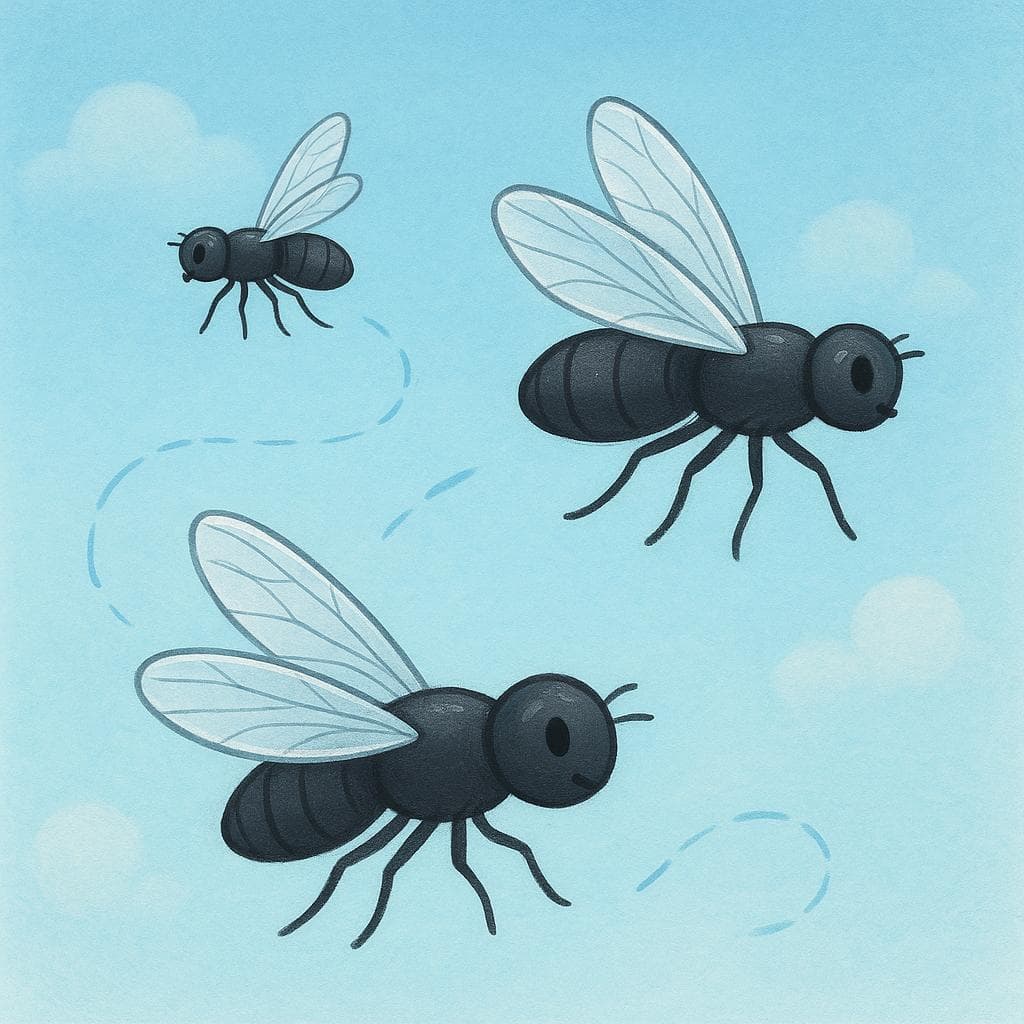
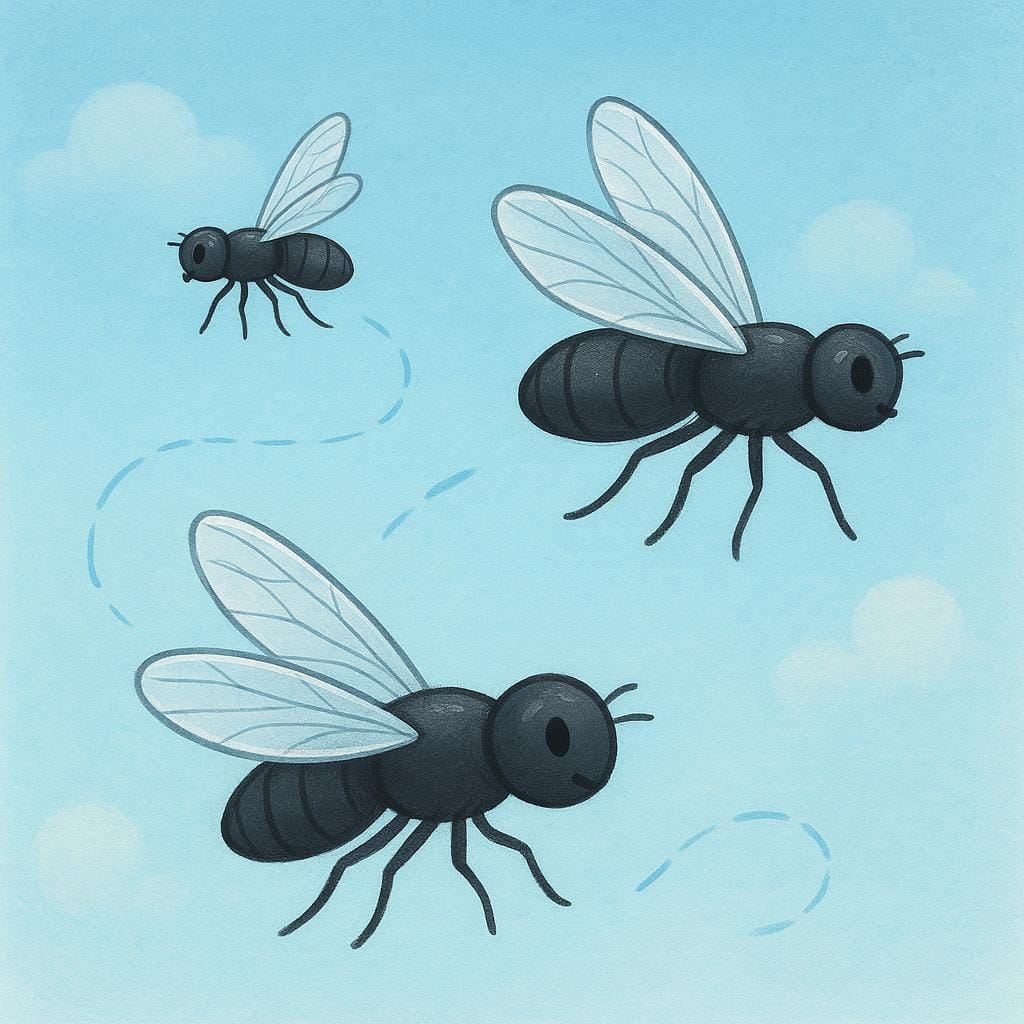
The most common Spanish word for “flies” is “moscas” — use 'moscas' when referring to the plural form of the insect commonly known as a fly.

moscas
MO-skahsˈmoskas
Examples
Hay demasiadas moscas en la cocina.
There are too many flies in the kitchen.
Las moscas son atraídas por la fruta madura.
Flies are attracted by ripe fruit.
Gender and Plural
Since the singular word 'mosca' is feminine, its plural 'moscas' must also use feminine articles, like 'las moscas' (the flies) or 'unas moscas' (some flies).
Mixing up the Plural
Mistake: “Muchos moscas.”
Correction: Muchas moscas. Remember to match the word 'muchas' (many) to the feminine noun 'moscas'.
vuela
BWEH-lahˈbwe.la

Examples
El águila vuela muy alto sobre las montañas.
The eagle flies very high over the mountains.
Cuando estás de vacaciones, el tiempo vuela.
When you are on vacation, time flies.
¡Vuela a la cocina y trae la sal!
Fly (run) to the kitchen and bring the salt!
Stem Change: O to UE
The verb volar (to fly) is irregular. In the present tense, the 'o' changes to 'ue' in most forms, except for 'nosotros' and 'vosotros'. This is why we say vuela instead of vola.
Dual Function of 'Vuela'
'Vuela' is used for two important things: 1) To state what 'he, she, or it' does (present indicative). 2) To give an informal command to a friend ('tú' imperative).
Forgetting the Stem Change
Mistake: “El pájaro vola.”
Correction: The correct form is *El pájaro vuela*. Always remember the 'o' changes to 'ue' when stressed.
Noun vs. Verb Confusion
Related Translations
Learn Spanish with Inklingo
Interactive stories, personalized learning, and more.