How to Say "you annoy" in Spanish
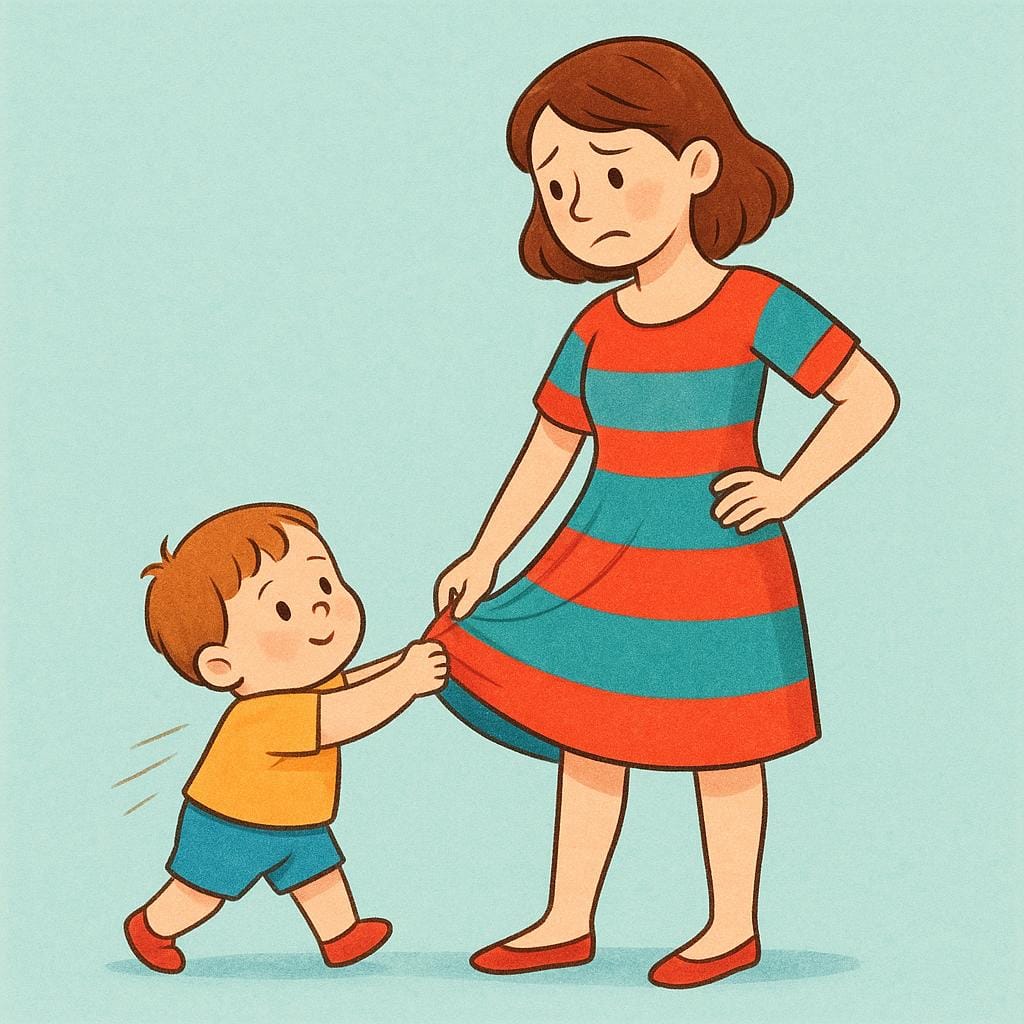
The most common Spanish word for “you annoy” is “molestes” — use this form when you want to express a hope or desire that someone does not get bothered or offended, often in a polite or indirect way, using the subjunctive mood.
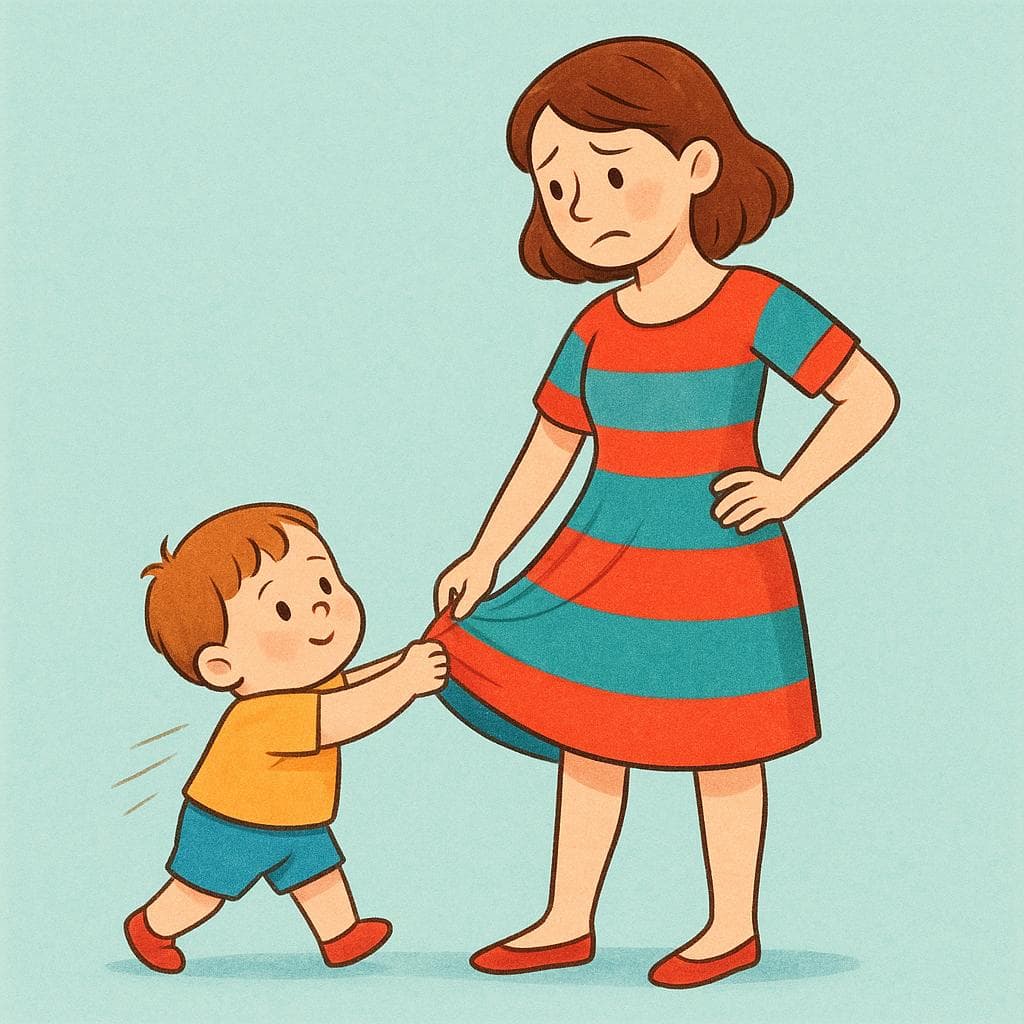
Use this form when you want to express a hope or desire that someone does not get bothered or offended, often in a polite or indirect way, using the subjunctive mood.
Learn more →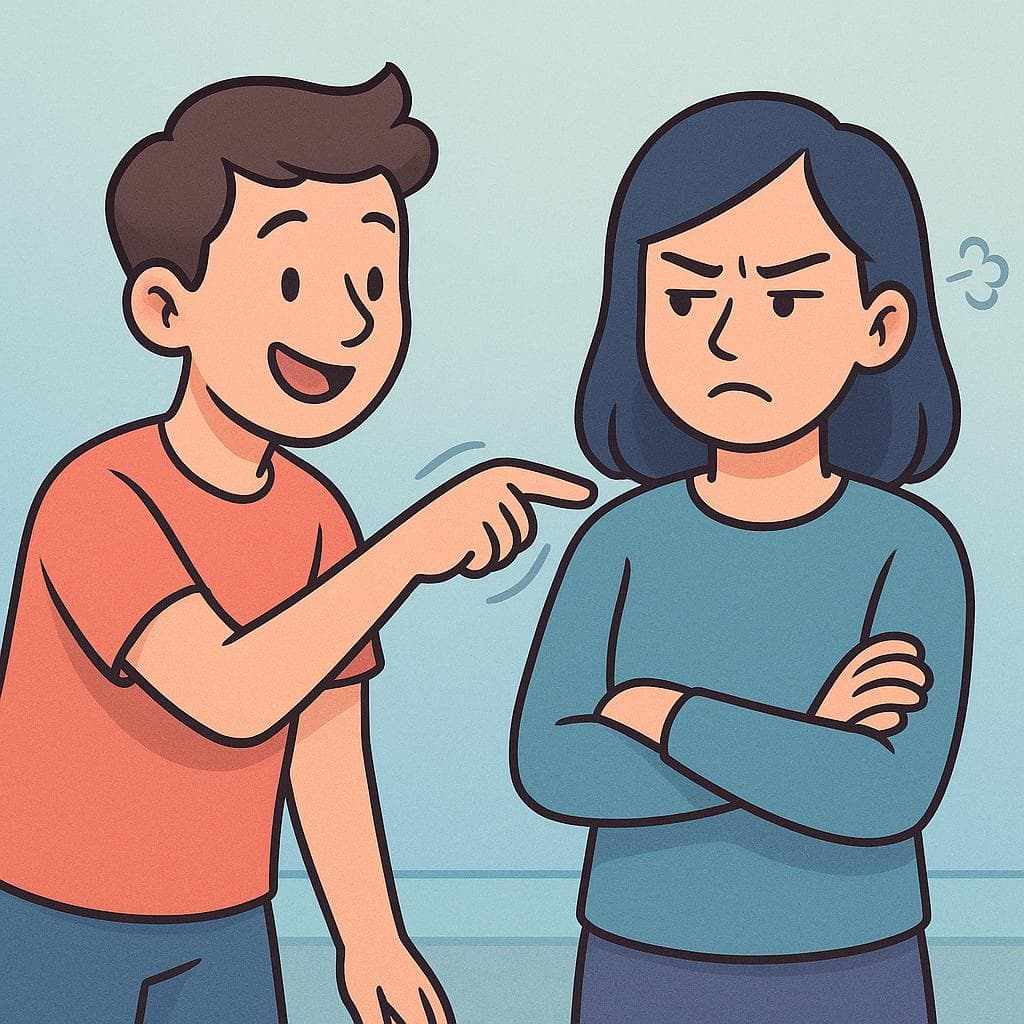
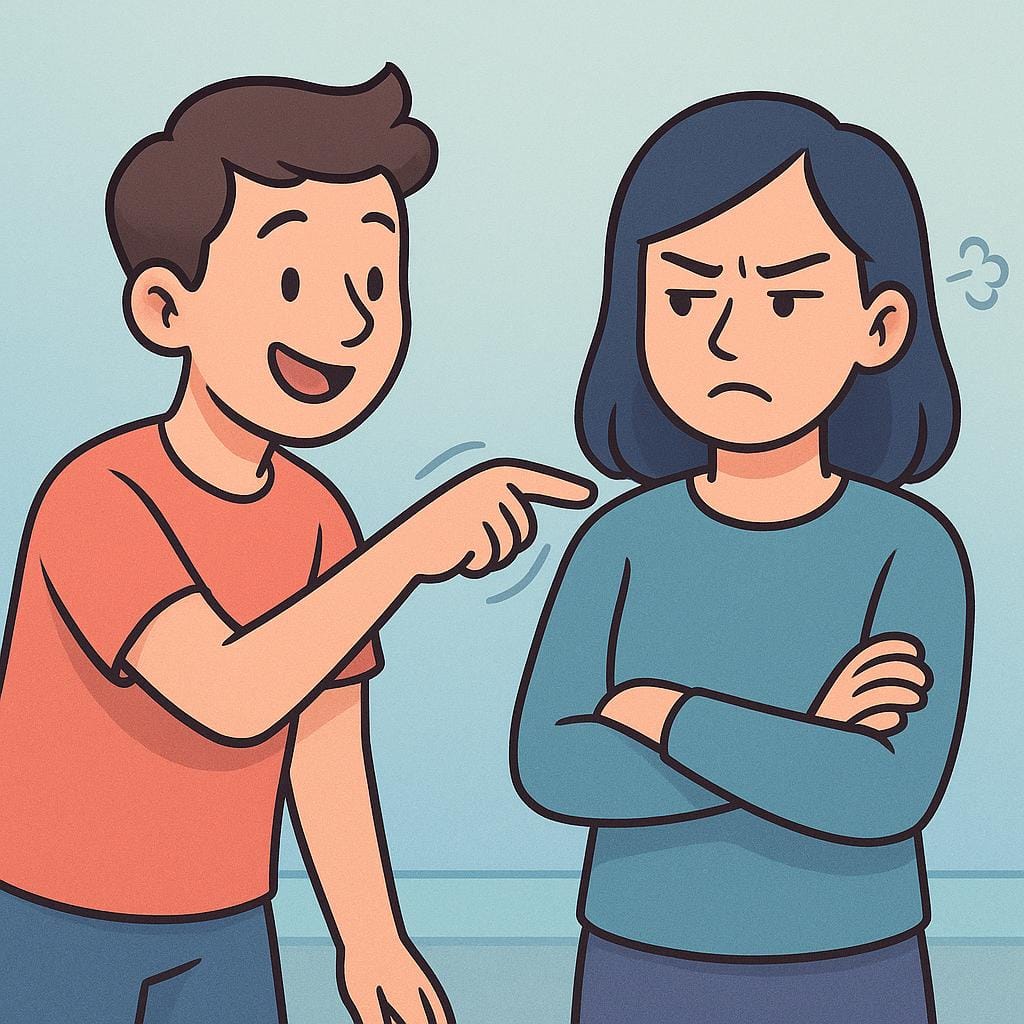
Use this form when directly stating that 'you' (singular, informal) are actively bothering or irritating someone in the present moment, using the indicative mood.
Learn more →mo-LES-tesmoˈlestes
Examples
Espero que no te **molestes** por el ruido.
I hope you don't get bothered by the noise.
Te ruego que no **molestes** a mi hermana mientras estudia.
I beg you not to bother my sister while she studies.
¡No me **molestes** ahora, estoy ocupado!
Don't bother me now, I'm busy!
Two Uses of 'Molestes'
This form is used when telling the person you call 'tú' to NOT do something ('No me molestes' = Don't bother me!). It is also used after certain phrases like 'I want that...' or 'I hope that...' (e.g., 'Quiero que no me molestes').
The Subjunctive Signal
When a sentence expresses emotion, doubt, desire, or necessity, the verb in the second part of the sentence often changes to this special form (Subjunctive). For example, 'Siento que me molestes' (I feel bad that you bother me).
Confusing Subjunctive and Command
Mistake: “Using 'no molestas' instead of 'no molestes' for a negative command.”
Correction: The rule is simple: for negative commands (Don't do X), you MUST use the special Subjunctive form: '¡No me molestes!'
MO-skahsˈmoskas
Examples
Si tú le **moscas** con ese tono, no va a ayudarte.
If you annoy him with that tone, he's not going to help you.
Si tú le moscas con ese tono, no va a ayudarte.
If you annoy him with that tone, he's not going to help you.
The 'Tú' Form
This specific form, 'moscas,' is the 'tú' (you, informal singular) conjugation for the present tense. If you are talking to a group, you would use 'moscan' (ustedes).
Subjunctive vs. Indicative Mood
The most common mistake is confusing the subjunctive 'molestes' with the indicative 'moscas'. Remember, 'molestes' is often used for hypothetical situations or wishes (like hoping someone *isn't* annoyed), while 'moscas' describes a direct action of annoying someone.
Related Translations
Learn Spanish with Inklingo
Interactive stories, personalized learning, and more.