How to Say "wariness" in Spanish
The most common Spanish word for “wariness” is “cautela” — use this word when the wariness is about being generally careful and guarded in a situation, often due to potential risks or unknown factors.

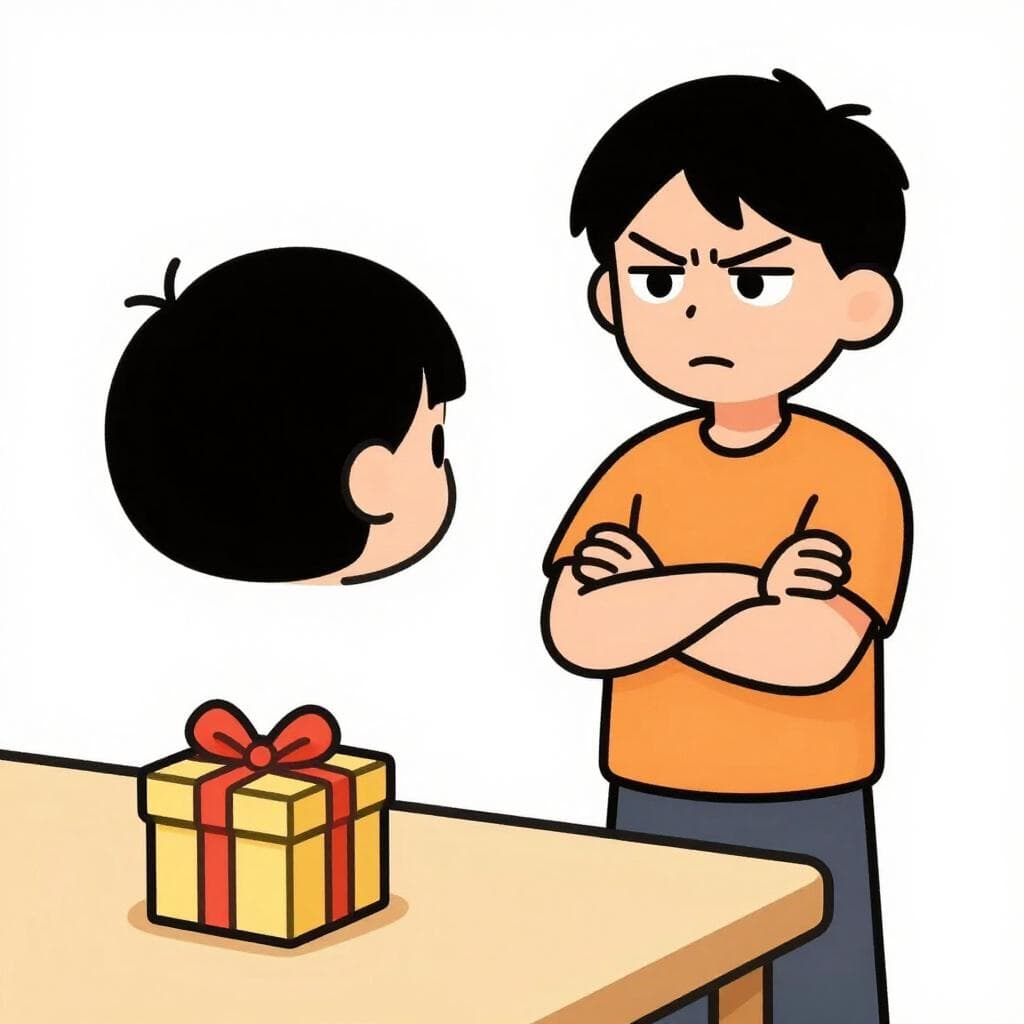
cautela
kaw-TEH-lahkau̯ˈtela

Examples
Debes actuar con cautela en esta situación.
You must act with caution in this situation.
El gato se acercó al pájaro con mucha cautela.
The cat approached the bird with great stealth.
Los inversores muestran cautela ante la caída de la bolsa.
Investors are showing wariness regarding the stock market crash.
Always Feminine
This word is always feminine ('la cautela'). Even if you are talking about a man being careful, the word 'cautela' itself never changes its ending.
Using 'Con' to Describe Action
To say someone is doing something 'cautiously,' Spanish speakers usually say 'con cautela' (with caution) rather than using a long adverb.
Don't confuse with the adjective
Mistake: “Él es muy cautela.”
Correction: Él es muy cauteloso (He is very cautious) OR Él actúa con cautela (He acts with caution). Use 'cautela' for the concept and 'cauteloso' to describe a person.
desconfianza
des-kon-fyan-sahdeskonˈfjanθa

Examples
Siento un poco de desconfianza hacia los vendedores que gritan mucho.
I feel a bit of distrust toward salespeople who shout a lot.
La falta de comunicación generó desconfianza entre los socios.
The lack of communication created distrust between the partners.
Ella me miró con desconfianza cuando le pedí las llaves de su coche.
She looked at me with suspicion when I asked for her car keys.
The 'Des-' Power
The 'des-' at the beginning is like the English 'un-' or 'dis-'. It simply takes the word for trust (confianza) and turns it into its opposite.
Connecting to People
To say who you don't trust, use the words 'en' (in) or 'hacia' (toward) right after desconfianza.
Confusing Nouns and Actions
Mistake: “Yo desconfianza de él.”
Correction: Yo desconfío de él (I distrust him) OR Siento desconfianza hacia él (I feel distrust toward him). 'Desconfianza' is the name of the feeling, not the action itself.
Cautela vs. Desconfianza
Related Translations
Learn Spanish with Inklingo
Interactive stories, personalized learning, and more.