desconfianza
“desconfianza” means “distrust” in Spanish (a general lack of trust).
distrust, mistrust
Also: suspicion, wariness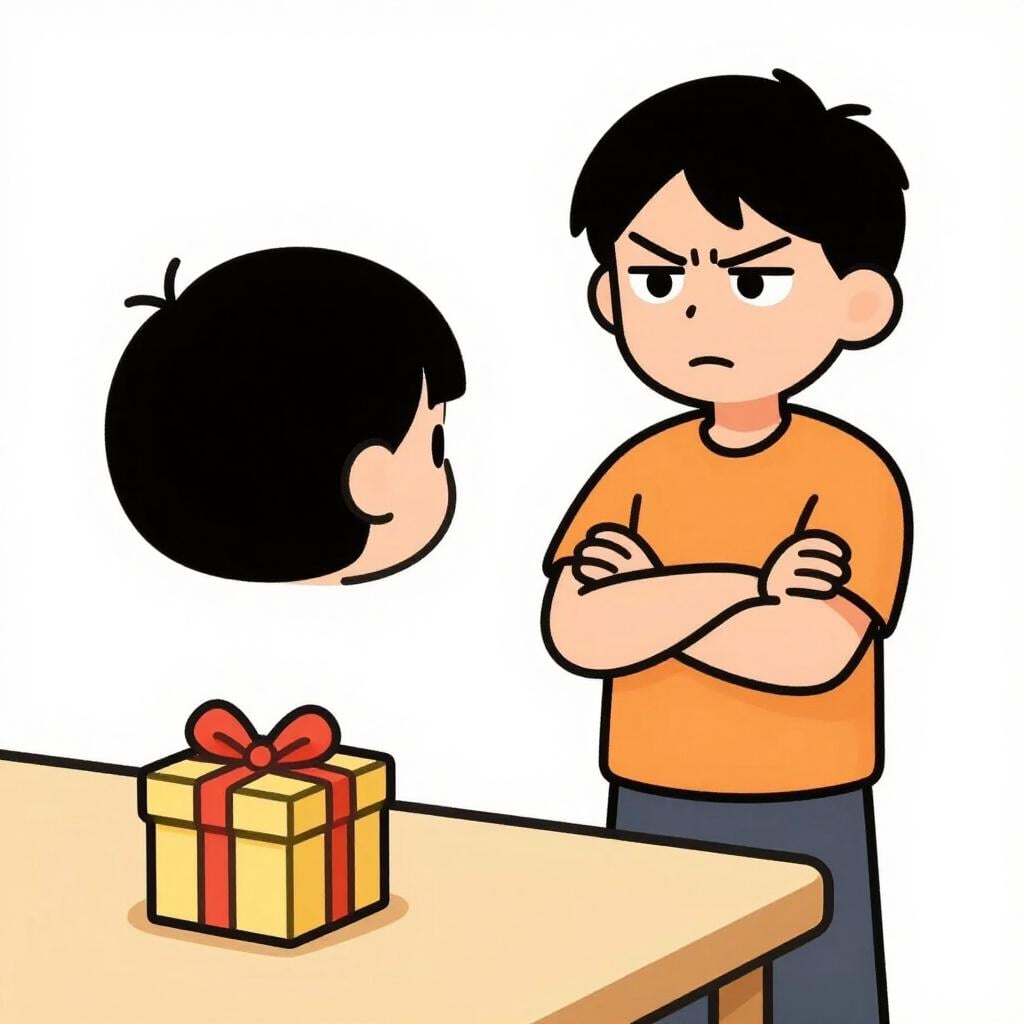
📝 In Action
Siento un poco de desconfianza hacia los vendedores que gritan mucho.
A2I feel a bit of distrust toward salespeople who shout a lot.
La falta de comunicación generó desconfianza entre los socios.
B1The lack of communication created distrust between the partners.
Ella me miró con desconfianza cuando le pedí las llaves de su coche.
B2She looked at me with suspicion when I asked for her car keys.
Translate to Spanish
✏️ Quick Practice
Quick Quiz: desconfianza
Question 1 of 3
How would you say 'I have a lot of distrust towards him'?
📚 More Resources
👥 Word Family▼
🎵 Rhymes▼
📚 Etymology▼
Comes from combining the Spanish prefix 'des-' (meaning 'not' or 'away') with the word 'confianza' (trust), which itself comes from Latin 'confidere', meaning 'to trust fully'.
First recorded: 15th century
Cognates (Related words)
💡 Master Spanish
Take your Spanish to the next level. Read 200+ illustrated and narrated Spanish stories tailored to your level with the Inklingo app!
Frequently Asked Questions
Is 'desconfianza' always a bad thing?
Not necessarily! While it's a negative feeling, it can describe 'caution' or being 'wary' in a way that keeps you safe.
What is the difference between 'desconfianza' and 'recelo'?
'Desconfianza' is a general lack of trust. 'Recelo' is a bit more specific—it's that 'gut feeling' or slight fear that someone might harm you or hide something.
Is 'desconfianza' masculine or feminine?
It is feminine. You should always use 'la' or 'una' with it (la desconfianza).