sonaba
“sonaba” means “was sounding” in Spanish. It has 2 different meanings depending on context:

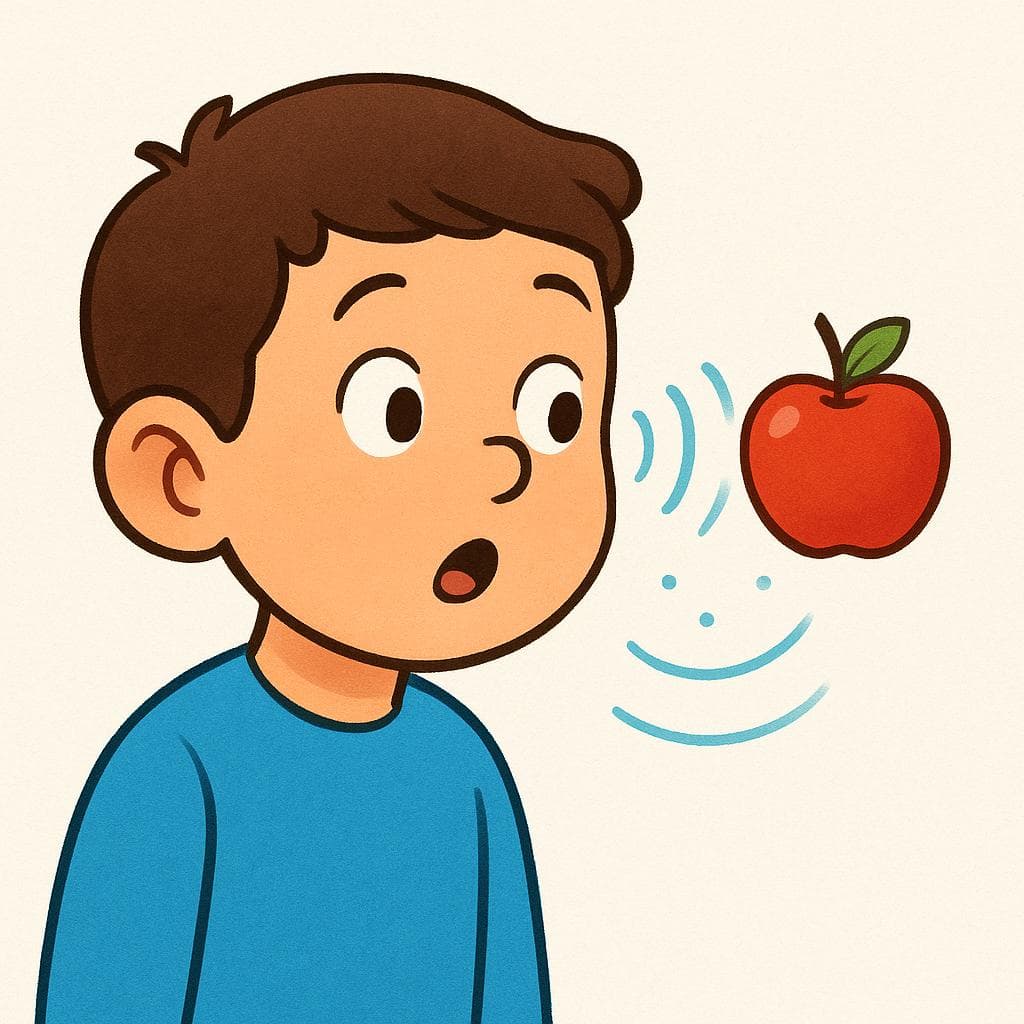
was sounding, used to ring
Also: was playing
📝 In Action
El despertador sonaba muy fuerte cada mañana.
A1The alarm clock used to ring very loudly every morning.
Mientras comíamos, la música sonaba suavemente de fondo.
A2While we were eating, the music was sounding softly in the background.
Cuando llegué, la sirena de la policía sonaba a lo lejos.
A2When I arrived, the police siren was sounding in the distance.
sounded familiar
Also: seemed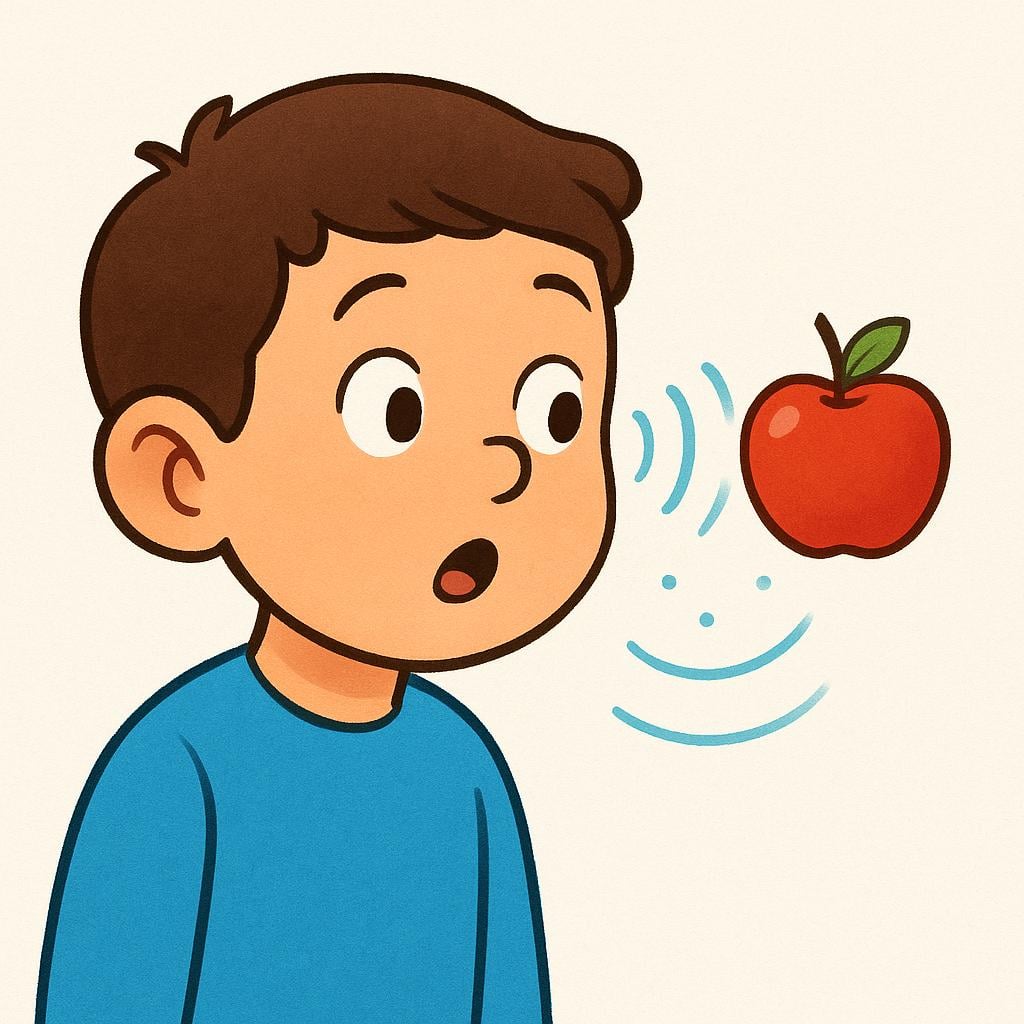
📝 In Action
Su acento me sonaba a español de Argentina.
B1His accent sounded like Argentine Spanish to me.
La excusa que me dio sonaba poco creíble.
B2The excuse he gave me sounded unbelievable.
Ese apellido me sonaba, pero no sabía por qué.
B1That last name sounded familiar to me, but I didn't know why.
Subjunctive
Imperfect Subjunctive
Present Subjunctive
Indicative
Imperfect
Present
Preterite
Translate to Spanish
✏️ Quick Practice
Quick Quiz: sonaba
Question 1 of 2
Which sentence correctly uses 'sonaba' to describe a repeated action in the past?
📚 More Resources
📚 Etymology▼
The word comes from the Latin verb *sonāre*, meaning 'to make a sound' or 'to resound.' It has been consistently used in Spanish since the early formation of the language.
First recorded: 12th century
Cognates (Related words)
💡 Master Spanish
Take your Spanish to the next level. Read 200+ illustrated and narrated Spanish stories tailored to your level with the Inklingo app!
Frequently Asked Questions
What is the difference between 'sonaba' and 'sonó'?
'Sonaba' (imperfect) describes an action that was continuous, repeated, or setting the scene in the past ('The phone was ringing' or 'The bell used to ring'). 'Sonó' (preterite) describes a single, completed action ('The phone rang once and stopped').
Who is 'sonaba' referring to?
'Sonaba' can refer to 'yo' (I), 'él' (he), 'ella' (she), or 'usted' (you, formal). In most cases, it refers to a non-person subject, like 'el teléfono' (the phone), 'la música' (the music), or 'el nombre' (the name).