sólida
“sólida” means “solid” in Spanish. It has 2 different meanings depending on context:
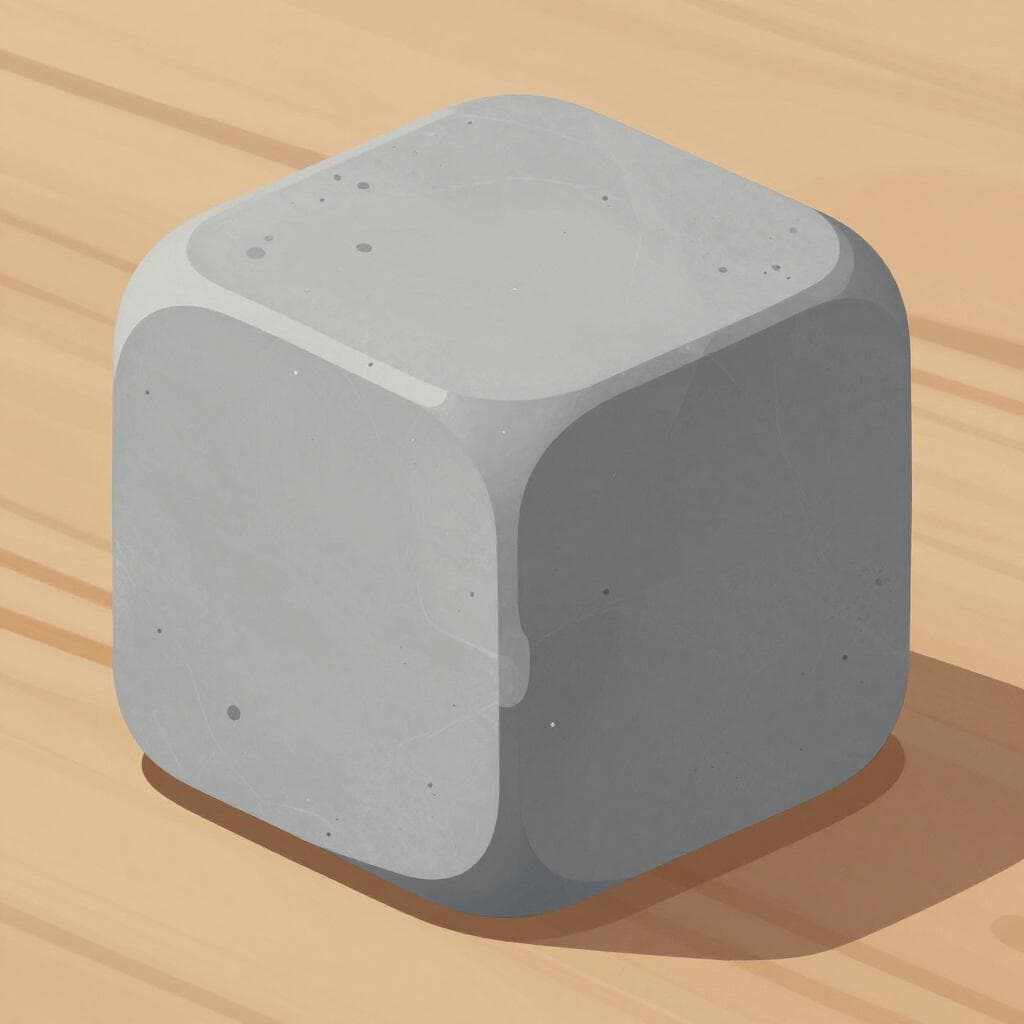
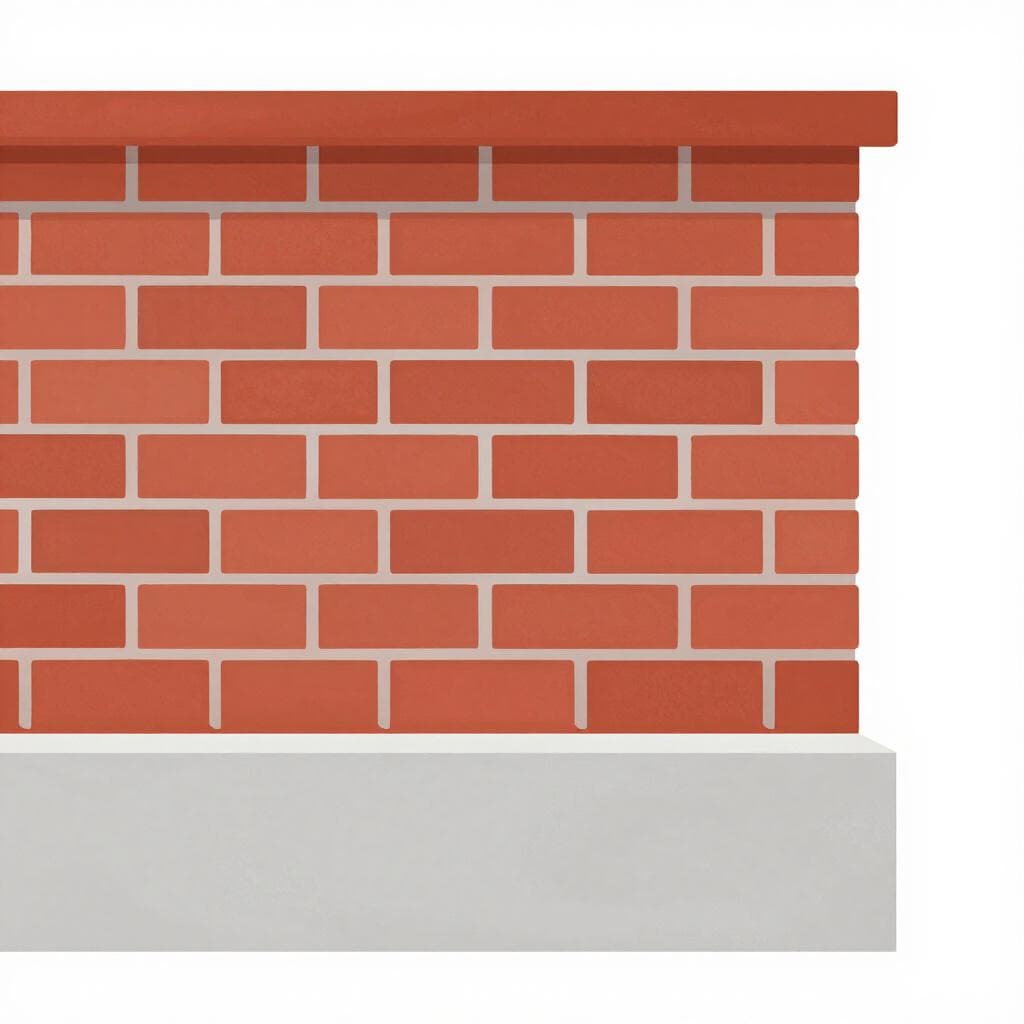
solidAlso: sturdy
📝 In Action
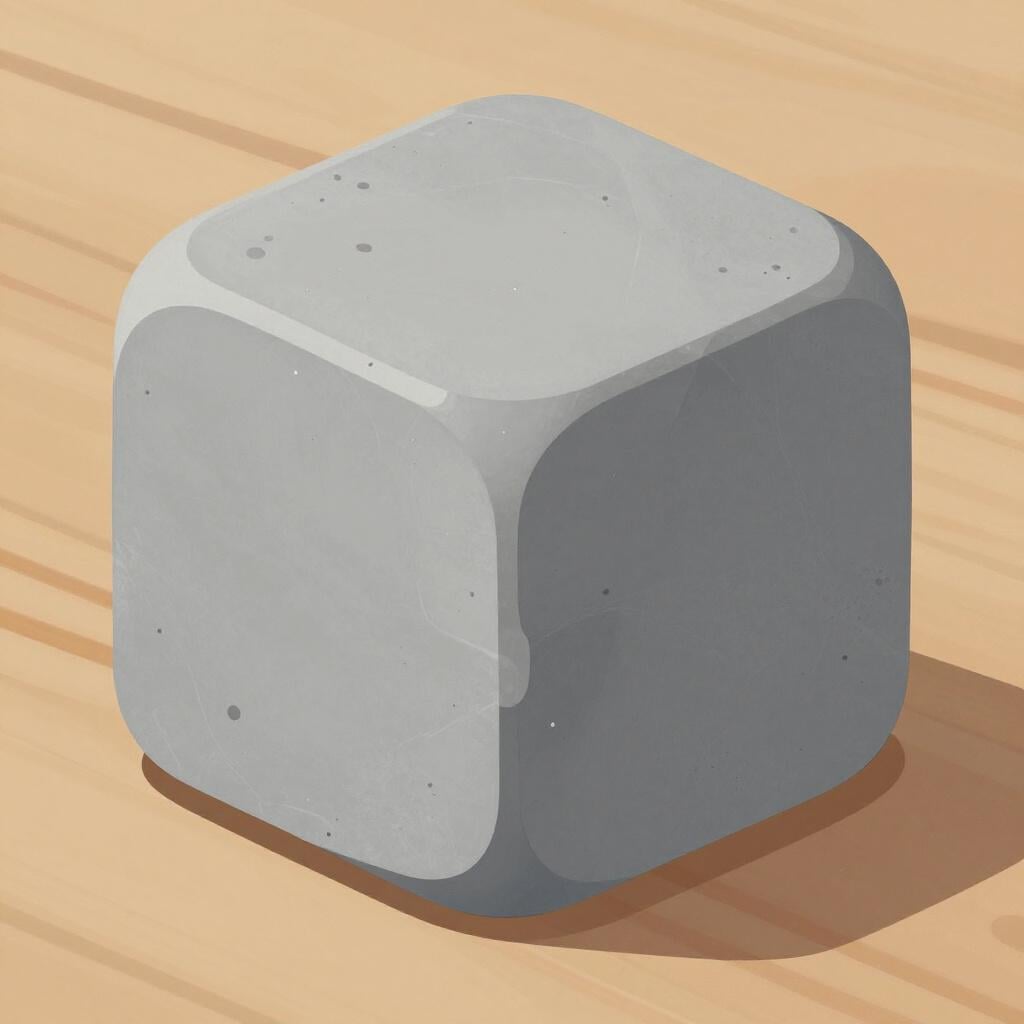
La mesa está hecha de madera sólida.
A2The table is made of solid wood.
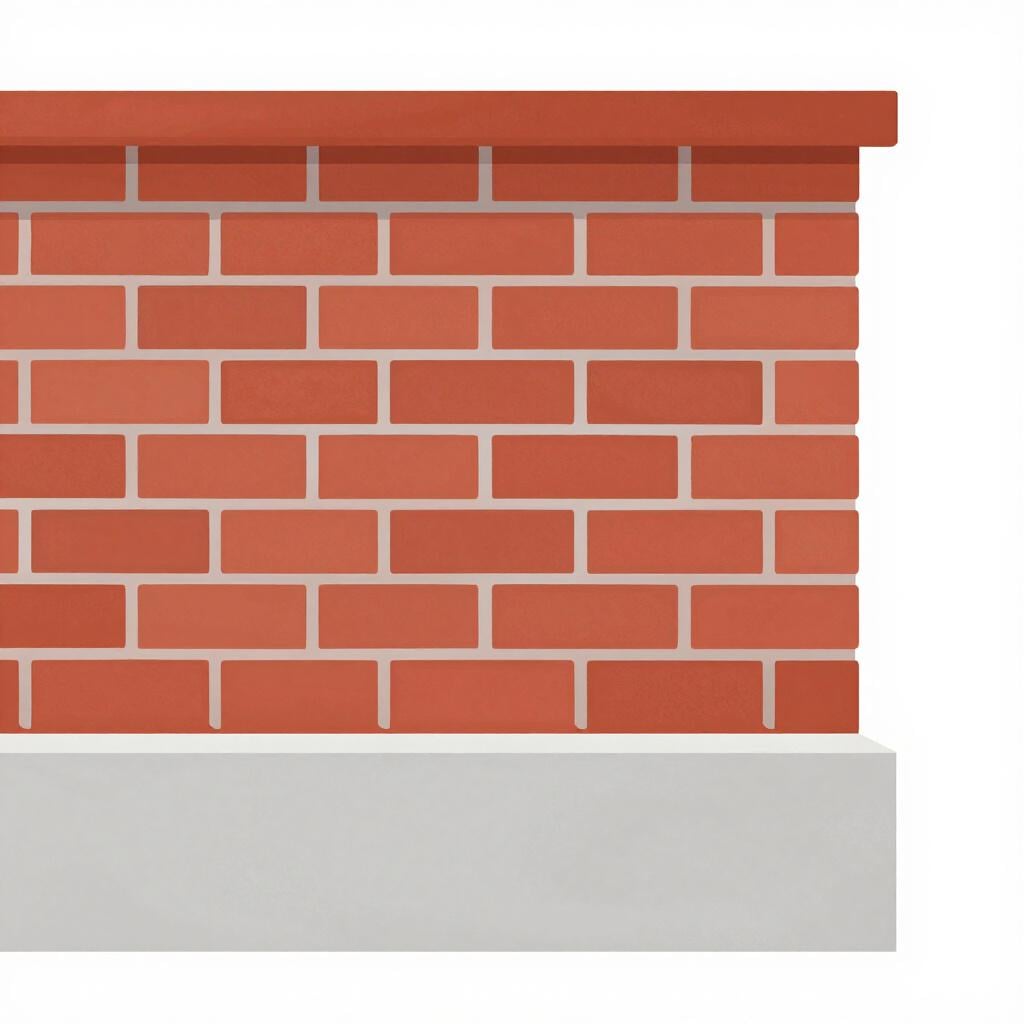
Necesitamos una base sólida para la construcción.
B1We need a solid base for the construction.
Word Connections
solidAlso: strong
📝 In Action
Ella presentó una prueba sólida ante el juez.
B2She presented solid evidence before the judge.
Tiene una formación académica sólida.
B1She has a solid academic background.
Word Connections
✏️ Quick Practice
Quick Quiz: sólida
Question 1 of 2
Which of these would you describe as 'sólida'?
📚 More Resources
👥 Word Family
🎵 Rhymes
📚 Etymology
From the Latin 'solidus', meaning whole, firm, or undiminished.
First recorded: 13th century
Cognates (Related words)
💡 Master Spanish
Take your Spanish to the next level. Read 200+ illustrated and narrated Spanish stories tailored to your level with the Inklingo app!
Frequently Asked Questions
Can I use 'sólida' for a man?
No. If you are describing a man or a masculine noun, you must use 'sólido'. You only use 'sólida' for feminine nouns.
What is the difference between 'fuerte' and 'sólida'?
'Fuerte' means strong or powerful. 'Sólida' implies that something is well-built, dense, or has a very firm foundation.