Inklingo

teme

/teh-meh/

fears

A small, wide-eyed orange creature is trembling and peeking out from behind a large, blue rock, looking terrified.

When someone teme, they are experiencing fear.

teme(Verb)

A2regular er

fears

?

He/she/it fears

,

is afraid of

?

He/she/it is afraid of

Also:

dreads

?

formal worry

📝 In Action

Mi perro teme los ruidos fuertes, como los fuegos artificiales.

A2

My dog fears loud noises, like fireworks.

Usted teme hablar en público, ¿verdad?

B1

You (formal) fear speaking in public, right?

Ella teme que su jefe la regañe.

B1

She is afraid that her boss might scold her.

Word Connections

Synonyms

  • asusta (frightens)
  • aterra (terrifies)

Antonyms

Common Collocations

  • temer a Diosto fear God
  • temer lo peorto fear the worst

💡 Grammar Points

Fearing People or Things

When you fear a specific person or thing, Spanish often uses the preposition 'a' after the verb: 'teme a los perros' (he fears dogs).

Fearing Actions (The Subjunctive Rule)

When 'teme' is followed by 'que' and a second verb, that second verb must use a special form (the subjunctive) because the action is uncertain or desired: 'Teme que llueva' (He fears it will rain).

❌ Common Pitfalls

Using the Wrong Verb Form

Mistake: "Teme que va a llover."

Correction: Teme que vaya a llover. (The action 'llover' is uncertain, so it needs the special 'subjunctive' form: 'vaya' instead of 'va'.)

⭐ Usage Tips

Formal Tone

'Temer' is often used in writing or formal speech. In everyday spoken Spanish, people often use the phrase 'tener miedo de' (to have fear of) instead.

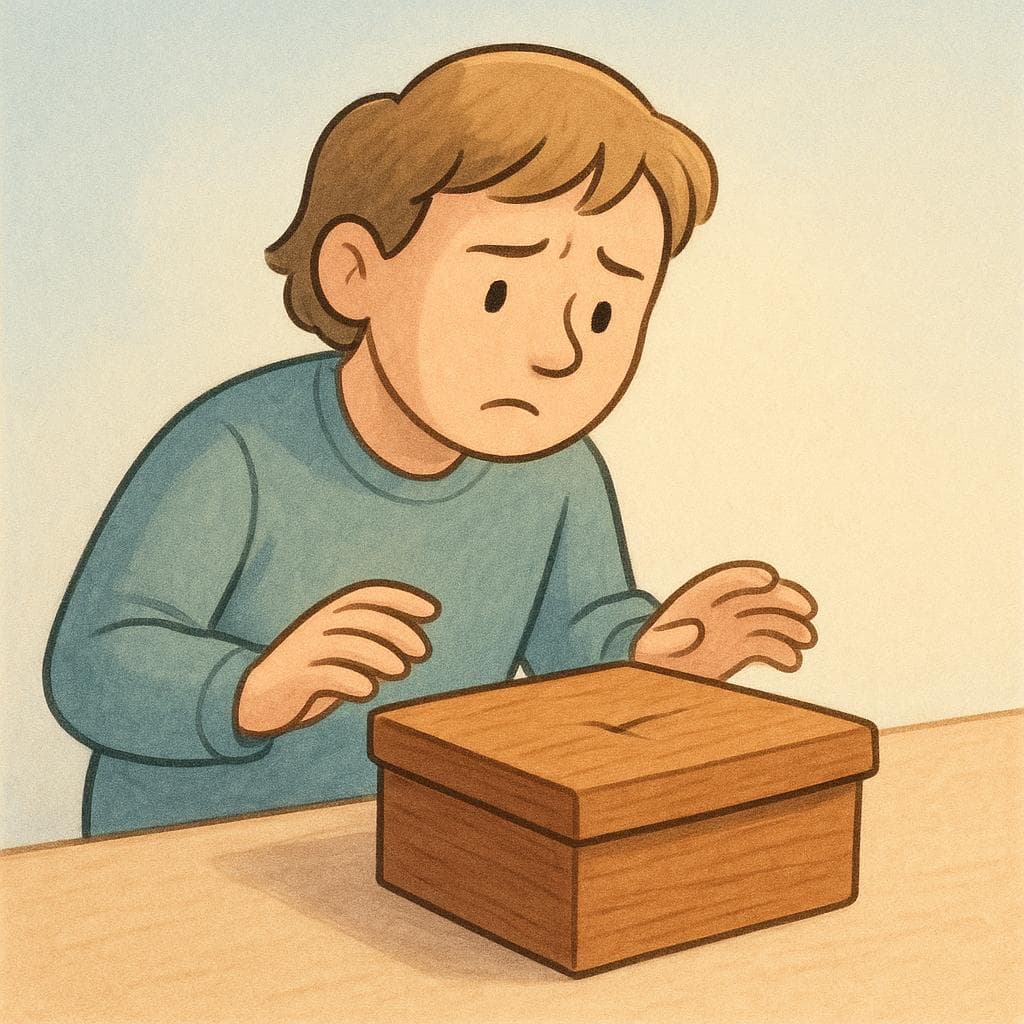
A person with a worried expression is carefully examining a closed wooden box that has a small crack, indicating suspicion about its contents.

Teme can also mean that someone suspects something bad is true, like doubting the contents of a mysterious package.

teme(Verb)

B2regular er

suspects

?

He/she/it suspects (that something bad is true)

Also:

worries

?

Is gravely concerned

📝 In Action

El director teme que la empresa no cumpla los objetivos este trimestre.

B2

The director suspects the company won't meet its goals this quarter.

La comunidad teme que el nuevo proyecto dañe el ecosistema local.

C1

The community worries that the new project will damage the local ecosystem.

Word Connections

Synonyms

  • sospecha (suspects)
  • presume (presumes)

Common Collocations

  • teme consecuenciasfears/expects consequences

💡 Grammar Points

Formal Worry

In this context, 'teme' means 'is seriously worried' or 'suspects with concern,' often used when discussing politics, business, or serious news.

🔄 Conjugations

indicative

present

él/ella/ustedteme
yotemo
temes
ellos/ellas/ustedestemen
nosotrostememos
vosotrosteméis

imperfect

él/ella/ustedtemía
yotemía
temías
ellos/ellas/ustedestemían
nosotrostemíamos
vosotrostemíais

preterite

él/ella/ustedtemió
yotemí
temiste
ellos/ellas/ustedestemieron
nosotrostemimos
vosotrostemisteis

subjunctive

present

él/ella/ustedtema
yotema
temas
ellos/ellas/ustedesteman
nosotrostemamos
vosotrostemáis

imperfect

él/ella/ustedtemiera
yotemiera
temieras
ellos/ellas/ustedestemieran
nosotrostemiéramos
vosotrostemierais

✏️ Quick Practice

💡 Quick Quiz: teme

Question 1 of 2

Which sentence correctly uses 'teme' to express that the subject is afraid of an uncertain future event?

📚 More Resources

Word Family

temor(fear (noun)) - noun

Frequently Asked Questions

Is 'temer' the most common way to say 'to fear'?

While 'temer' is the direct translation, in casual conversation, Spanish speakers often prefer the phrase 'tener miedo de' (literally 'to have fear of'). 'Temer' is slightly more formal or intense.

How is 'teme' different from 'tiene miedo'?

'Teme' is the verb form (he/she fears). 'Tiene miedo' is a phrase using the verb 'tener' (to have fear). Both mean the same thing, but 'teme' is a single, more concise verb.