temer
“temer” means “to fear” in Spanish. It has 2 different meanings depending on context:
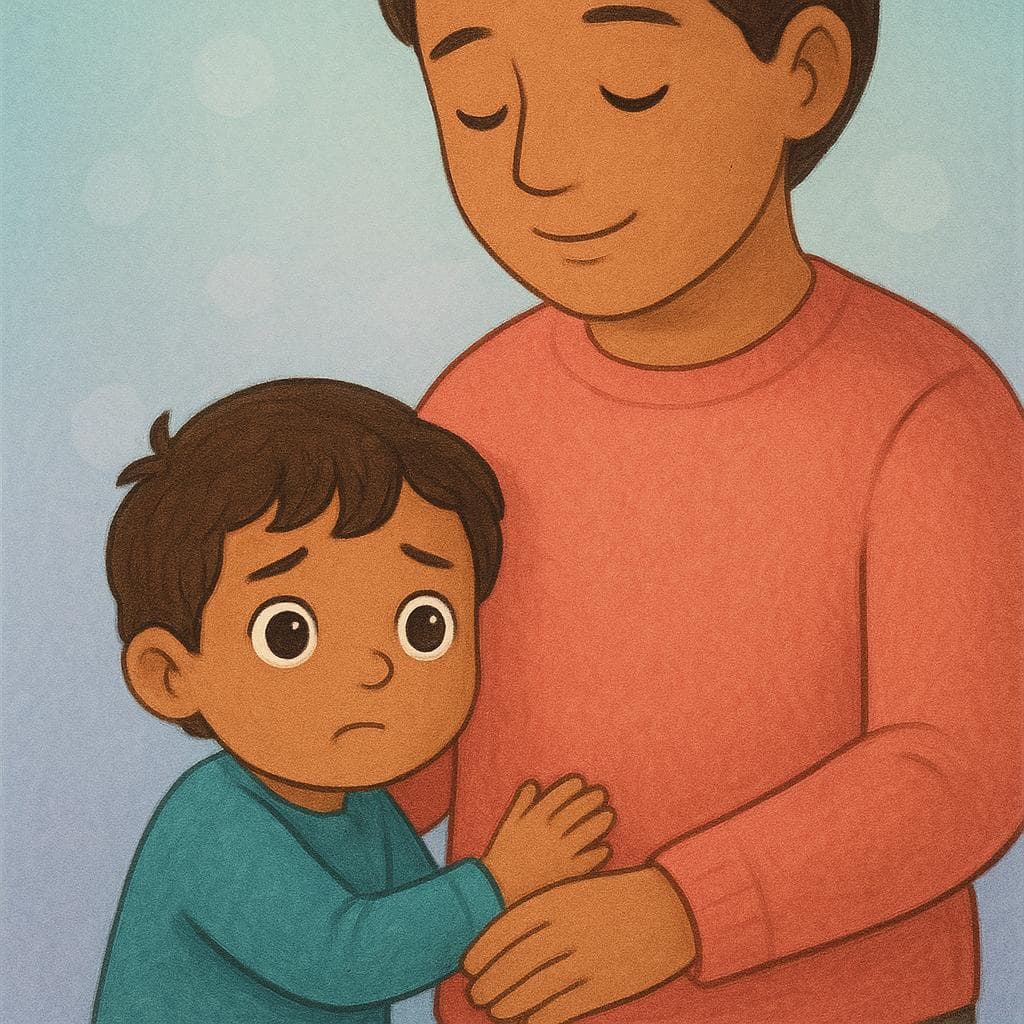
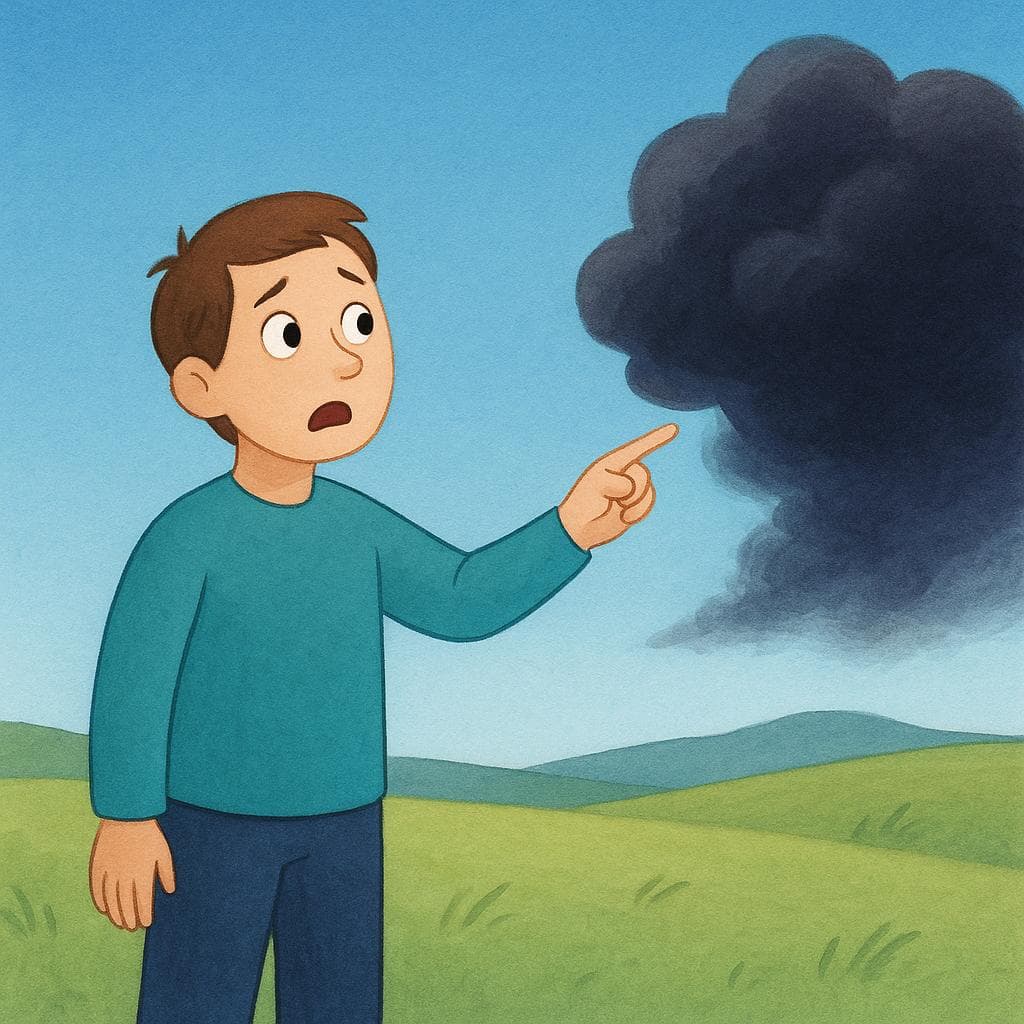
to fear, to be afraid ofAlso: to dread
📝 In Action
Temo a las serpientes desde que era niño.
B1I have feared snakes since I was a child.
No temas preguntar si tienes dudas.
A2Don't be afraid to ask if you have doubts.
Tememos que el jefe no apruebe nuestro plan.
B2We fear that the boss won't approve our plan.
Word Connections
to suspect, to worry (that)
📝 In Action
Temo que esta decisión cause un conflicto político.
C1I suspect/worry that this decision will cause political conflict.
La empresa teme una reducción en sus ganancias trimestrales.
C1The company suspects a reduction in its quarterly earnings.
Indicative
Present
Imperfect
Preterite
Subjunctive
Present Subjunctive
Imperfect Subjunctive
Translate to Spanish
Words that translate to "temer" in Spanish:
✏️ Quick Practice
Quick Quiz: temer
Question 1 of 2
Which sentence correctly uses 'temer' to express fear about someone else's action?
📚 More Resources
📚 Etymology
Comes directly from the Latin verb *timēre*, meaning 'to be afraid, to fear, or to dread.' It has maintained its core meaning consistently throughout history.
First recorded: Around the 10th century (Old Spanish)
Cognates (Related words)
💡 Master Spanish
Take your Spanish to the next level. Read 200+ illustrated and narrated Spanish stories tailored to your level with the Inklingo app!
Frequently Asked Questions
What is the difference between 'temer' and 'tener miedo'?
'Tener miedo' (literally 'to have fear') is more common in daily conversations and expresses a general state of being scared. 'Temer' is usually more formal or literary, and often implies a deeper, more serious apprehension or dread. You can use them interchangeably, but 'temer' sounds more profound.
Does 'temer' always need the word 'que'?
No. If you fear a thing or person, you just use 'temer' (or 'temer a'). If you fear an action or outcome involving a different person or situation, you must use 'que' (e.g., 'Temo que llueva' – I fear that it might rain).