temes
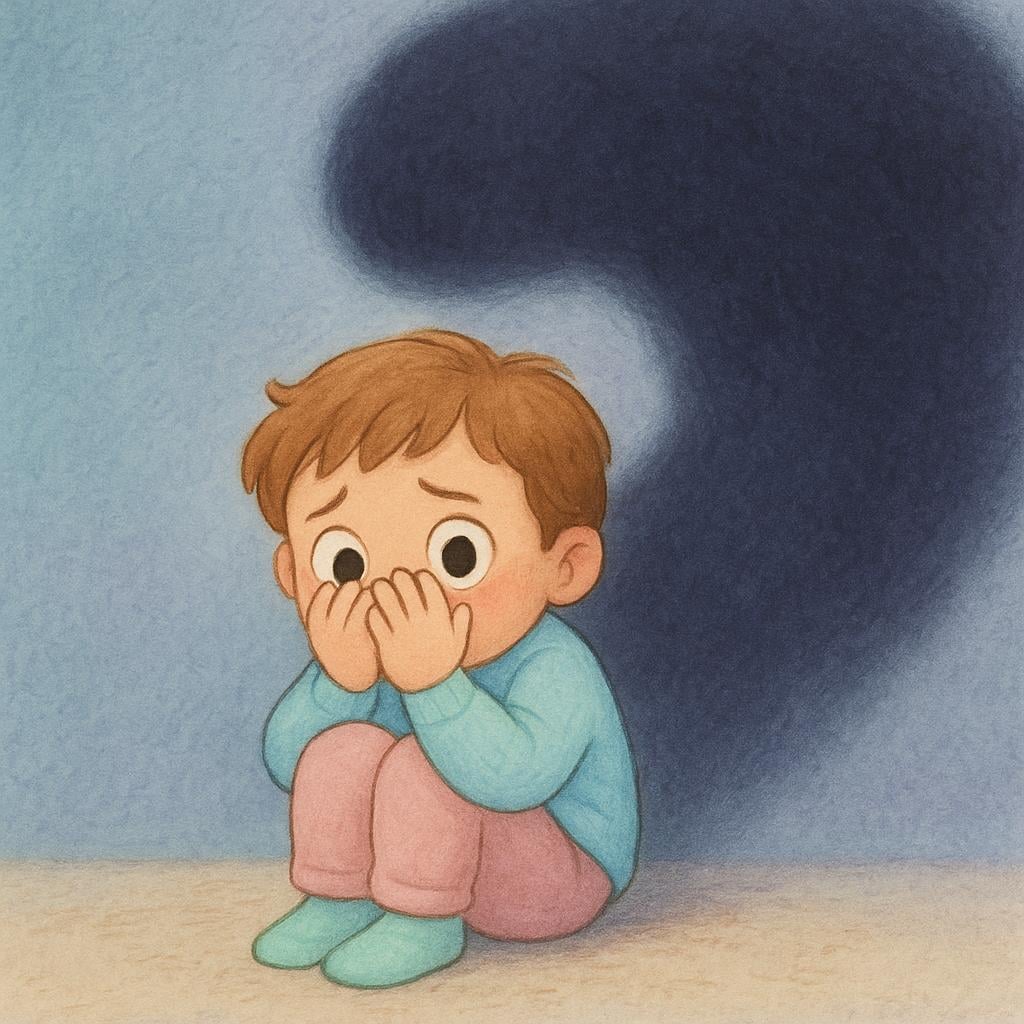
“temes” means “you fear” in Spanish (informal singular present tense).
you fear, you are afraid ofAlso: you dread
📝 In Action
¿Qué temes más, el fracaso o el éxito?
B1What do you fear more, failure or success?
Si temes la oscuridad, podemos dejar la luz encendida.
A2If you are afraid of the dark, we can leave the light on.
Temes que la gente no entienda tus ideas, ¿verdad?
B2You worry that people won't understand your ideas, right?
Word Connections
Subjunctive
Imperfect Subjunctive
Present Subjunctive
Indicative
Preterite
Imperfect
Present
✏️ Quick Practice
Quick Quiz: temes
Question 1 of 2
If you are talking formally to a boss, how would you say 'You fear the change'?
📚 More Resources
👥 Word Family
📚 Etymology
The verb 'temer' comes from the ancient Latin verb *timēre*, which had the exact same meaning: 'to be afraid' or 'to dread.' It has been a core vocabulary word for centuries.
First recorded: 13th century
Cognates (Related words)
💡 Master Spanish
Take your Spanish to the next level. Read 200+ illustrated and narrated Spanish stories tailored to your level with the Inklingo app!
Frequently Asked Questions
Is 'temes' used for physical fear or emotional dread?
'Temer' can be used for both! You can 'temer' a big dog (physical fear) or 'temer' losing your job (emotional dread/worry). It covers the full spectrum of being afraid.
How do I say 'Don't fear' using 'temes'?
You need the negative imperative form. You would say 'No temas.' Notice how the vowel changes from 'e' in 'temes' to 'a' in 'temas' for the negative command.