tenían
“tenían” means “they had” in Spanish. It has 3 different meanings depending on context:
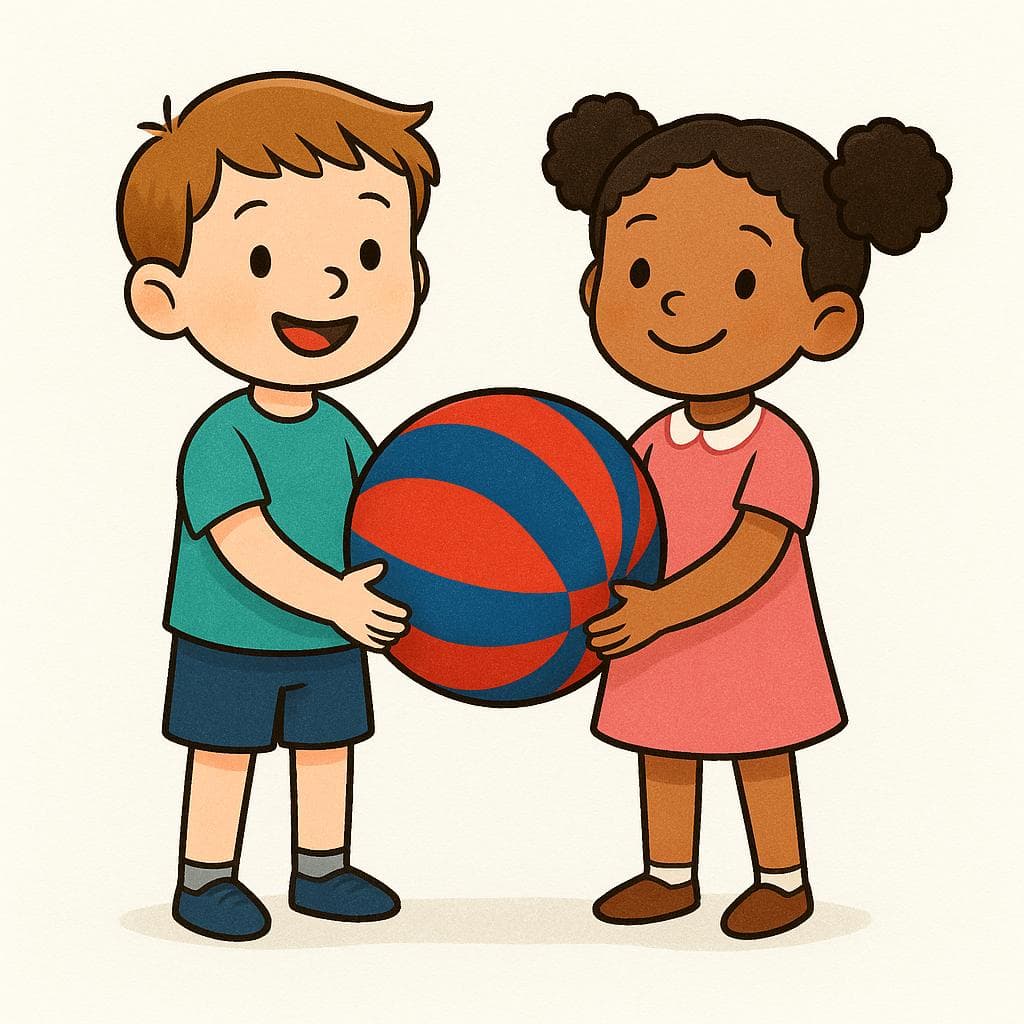
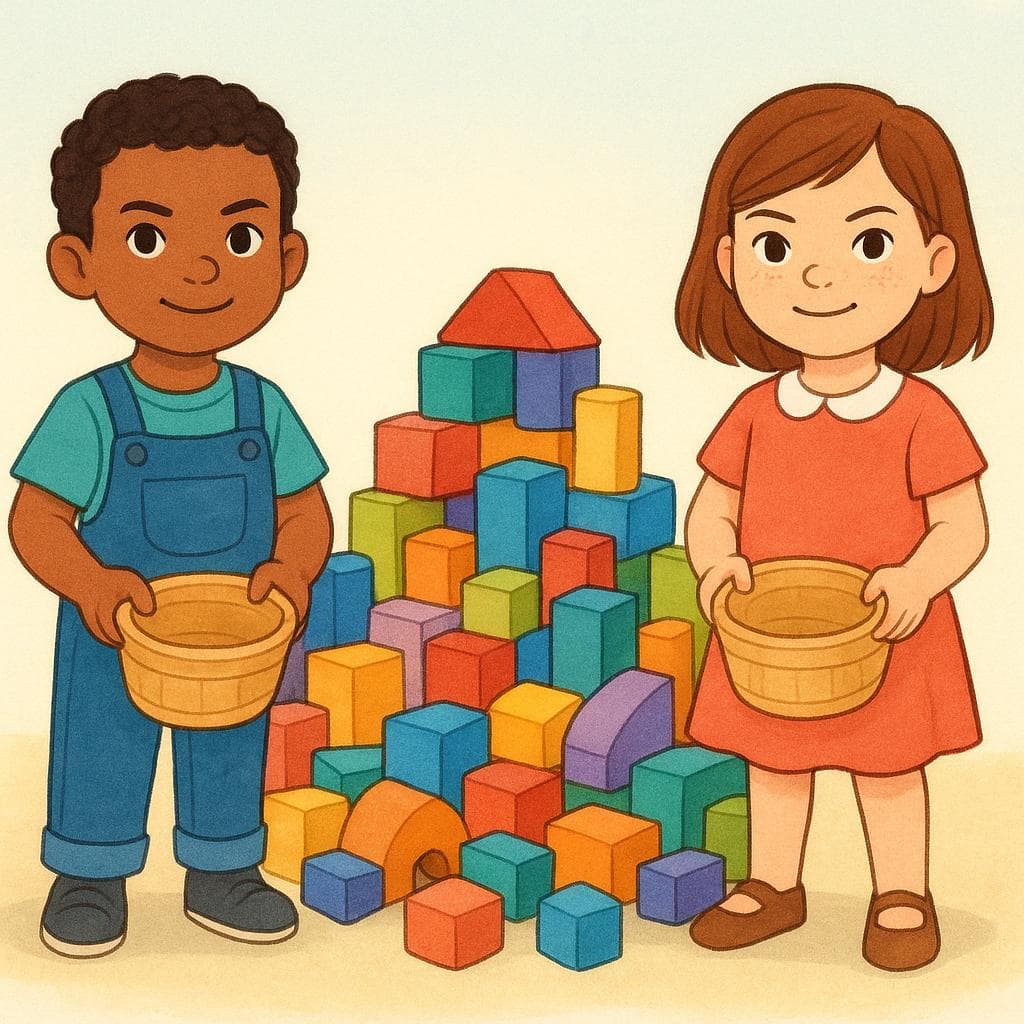
they had
Also: you all had
📝 In Action
Mis abuelos tenían una casa en la playa.
A1My grandparents had a house on the beach.
Antes, los teléfonos no tenían cámaras.
A2Before, phones didn't have cameras.
Ustedes tenían muchos amigos en la escuela.
A2You all had many friends at school.
they were
Also: they felt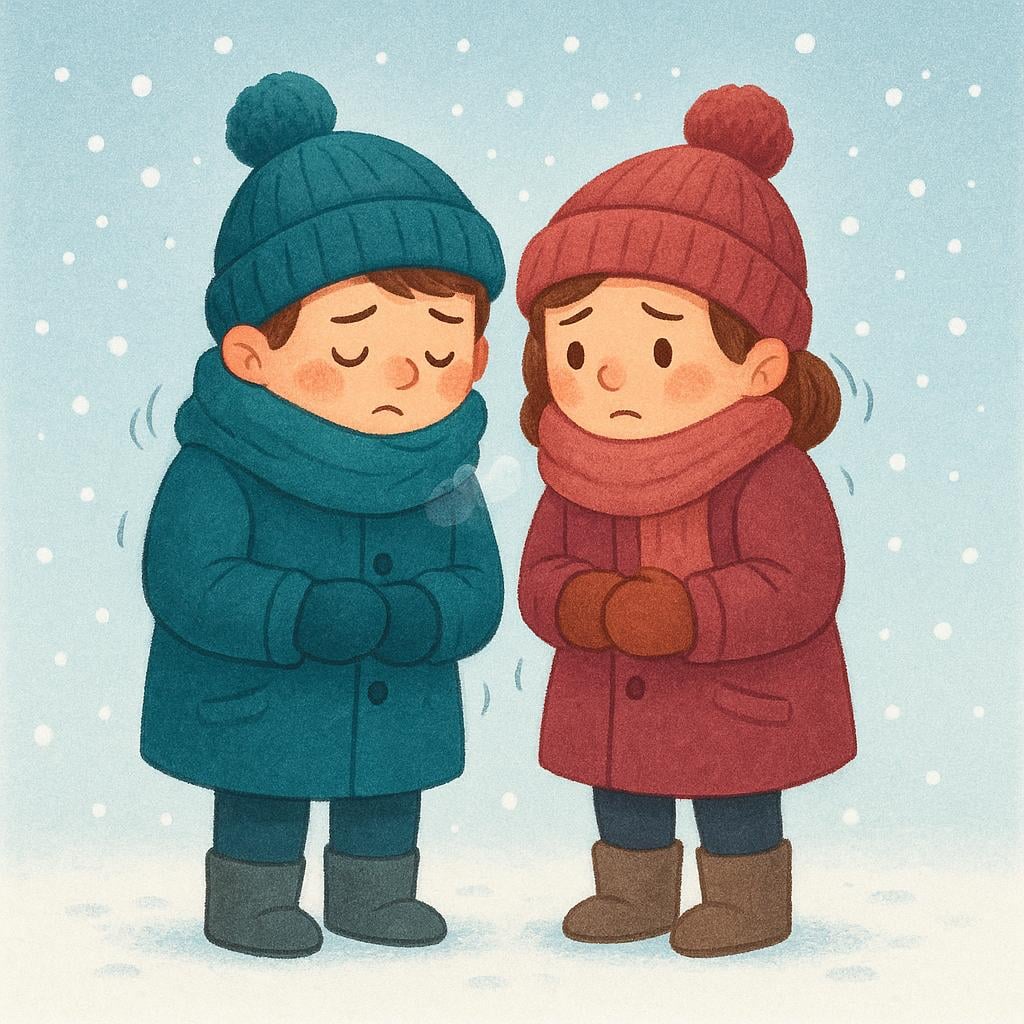
📝 In Action
Los niños tenían sueño y querían ir a la cama.
A1The children were sleepy and wanted to go to bed.
Tenían 25 años cuando se casaron.
A2They were 25 years old when they got married.
Después del partido, los jugadores tenían mucha sed.
B1After the game, the players were very thirsty.
they had to
Also: you all had to
📝 In Action
Tenían que estudiar para el examen.
A2They had to study for the exam.
Ayer no vinieron porque tenían que trabajar.
B1They didn't come yesterday because they had to work.
Ustedes tenían que llamar al doctor.
A2You all had to call the doctor.
Indicative
Present
Imperfect
Preterite
Subjunctive
Present Subjunctive
Imperfect Subjunctive
Translate to Spanish
Words that translate to "tenían" in Spanish:
they felt→✏️ Quick Practice
Quick Quiz: tenían
Question 1 of 1
Which sentence correctly describes a past obligation?
📚 More Resources
👥 Word Family▼
🎵 Rhymes▼
📚 Etymology▼
'Tenían' comes from the verb 'tener,' which traces back to the Latin word 'tenēre.' This Latin verb meant 'to hold, to keep, to possess,' and its core meaning has stayed very consistent as it evolved into modern Spanish.
First recorded: Forms of 'tenēre' have been used for over 2000 years, appearing in Classical Latin texts.
Cognates (Related words)
💡 Master Spanish
Take your Spanish to the next level. Read 200+ illustrated and narrated Spanish stories tailored to your level with the Inklingo app!
Frequently Asked Questions
What is the difference between 'tenían' and 'tuvieron'?
Both mean 'they had,' but they are used for different situations. Use 'tenían' for ongoing states, descriptions, or repeated actions in the past (like 'They had a dog when they were kids'). Use 'tuvieron' for a specific, single, completed event (like 'They had a party last night'). 'Tenían' sets the scene, while 'tuvieron' describes a specific action in the story.
Is 'tenían' only for 'they'?
No, it's also for 'ustedes,' which means 'you all.' In Spain, 'ustedes' is formal, but in Latin America, it's the standard way to talk to any group of people, whether formally or informally.