tercera
“tercera” means “third” in Spanish. It has 2 different meanings depending on context:
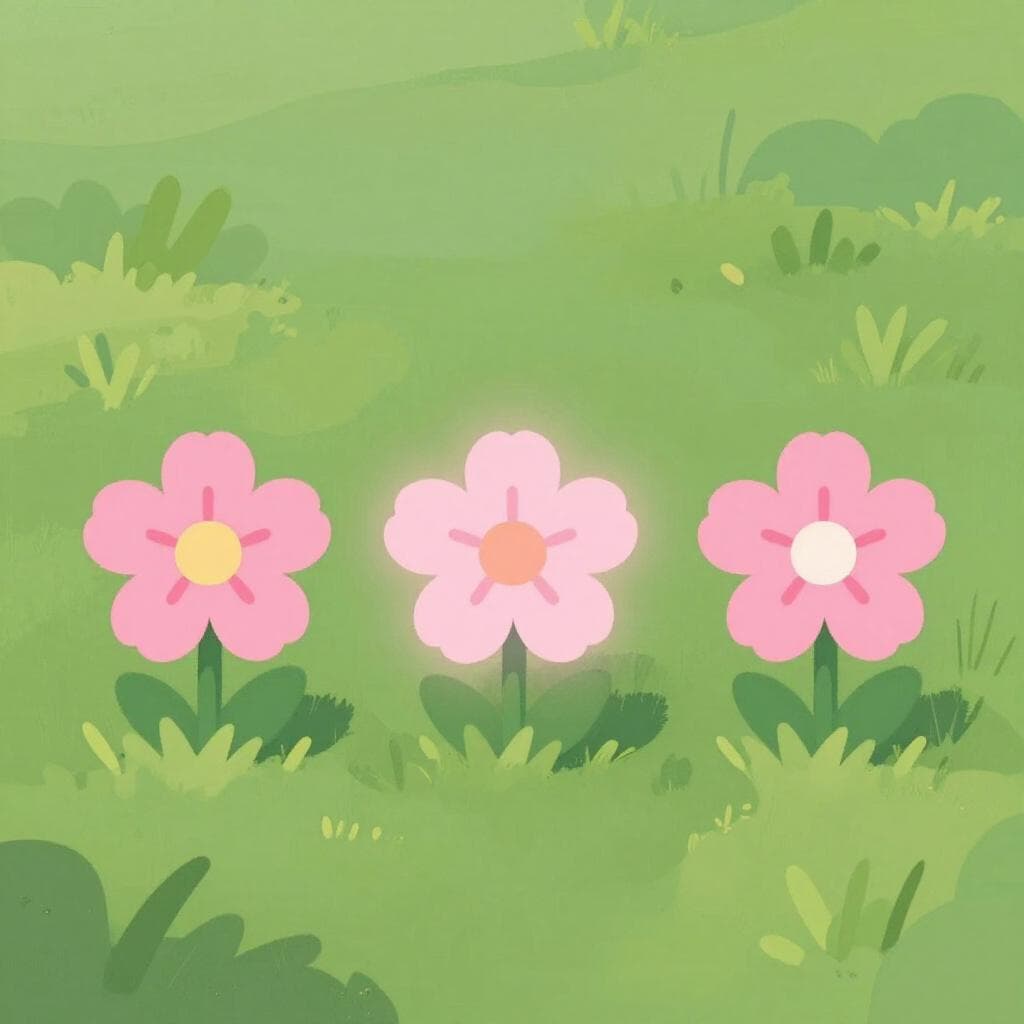
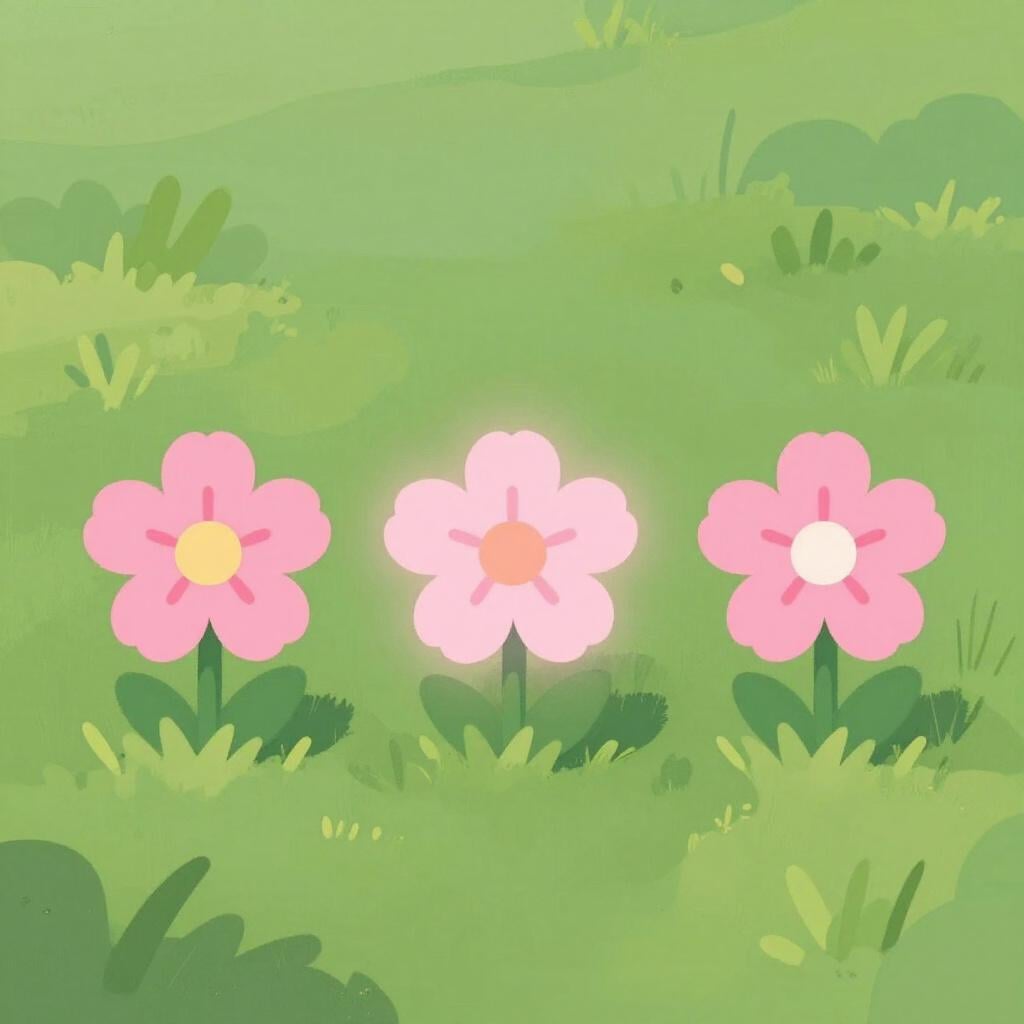
thirdAlso: 3rd
📝 In Action
Esta es la tercera puerta a la izquierda.
A1This is the third door on the left.
Ella fue la tercera persona en llegar a la reunión.
A2She was the third person to arrive at the meeting.
Vivo en la tercera casa de esta calle.
A1I live in the third house on this street.
Word Connections
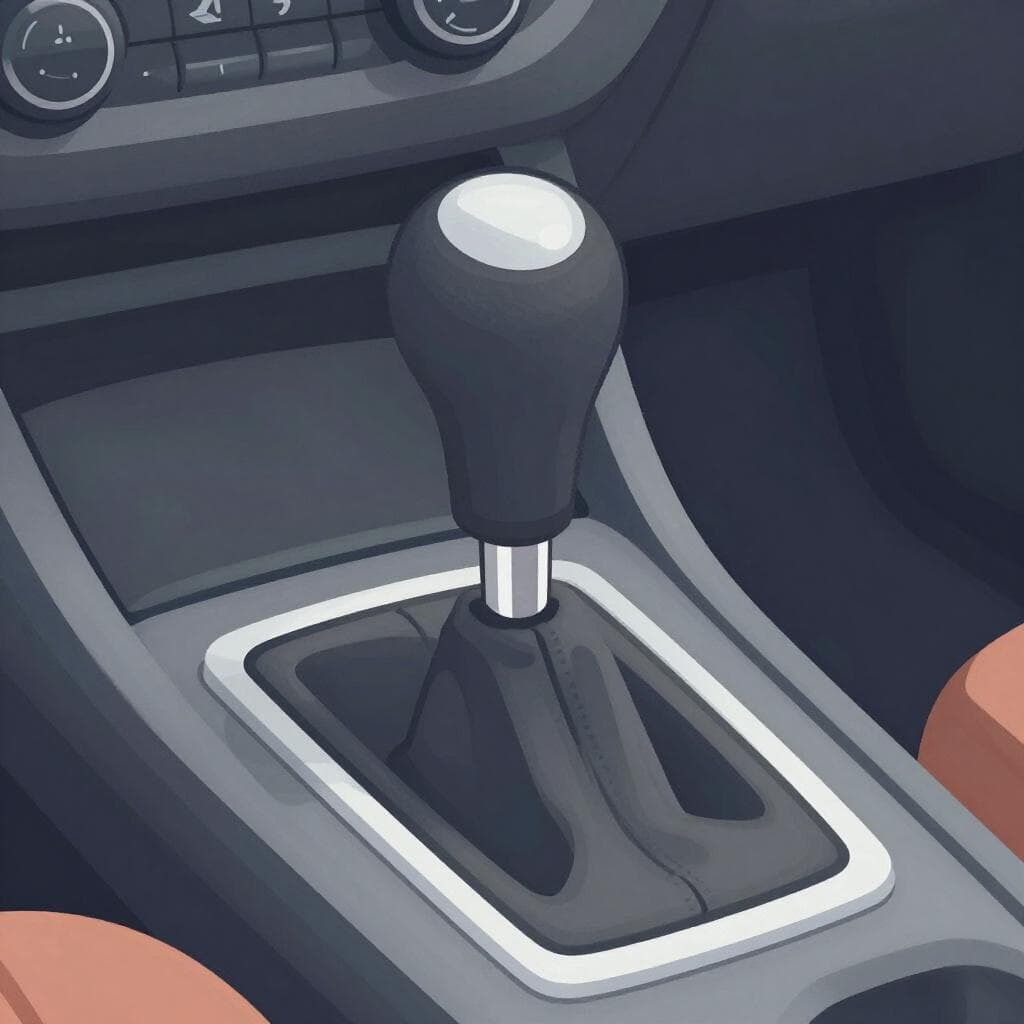
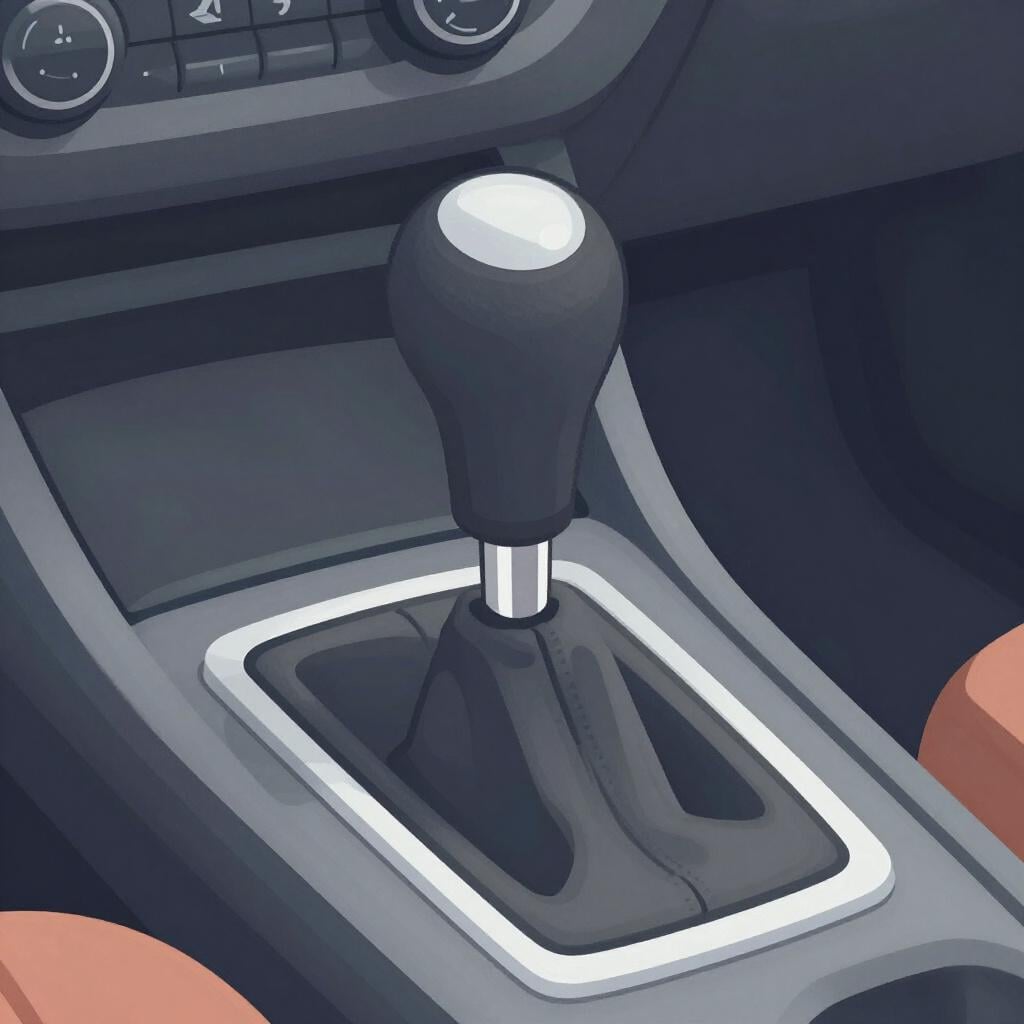
third gear, third baseAlso: third (person or thing)
📝 In Action
Necesitas cambiar a tercera para subir la colina.
B1You need to shift into third gear to go up the hill.
El corredor se deslizó hacia la tercera.
B2The runner slid into third base.
La tercera fue la vencida.
C1The third time was the charm (Literally: The third was the conquered one).
Word Connections
Translate to Spanish
Words that translate to "tercera" in Spanish:
✏️ Quick Practice
Quick Quiz: tercera
Question 1 of 2
Which sentence correctly uses 'tercera'?
📚 More Resources
👥 Word Family
📚 Etymology
'Tercera' comes directly from the Latin word 'tertiaria,' which means 'the third one' or 'related to three.' It is a direct descendant of the Latin root for the number three.
First recorded: Around the 10th-12th century in Old Spanish.
Cognates (Related words)
💡 Master Spanish
Take your Spanish to the next level. Read 200+ illustrated and narrated Spanish stories tailored to your level with the Inklingo app!
Frequently Asked Questions
What is the difference between 'tercera' and 'tercero'?
'Tercera' is the form you use when the person or thing you are talking about is feminine (like 'la mesa' or 'la mujer'). 'Tercero' is the masculine form, used for masculine nouns (like 'el día' or 'el coche').
Does 'tercera' ever shorten like 'tercer'?
No. Only the masculine form 'tercero' shortens to 'tercer' when it comes before a single masculine noun (e.g., 'el tercer libro'). 'Tercera' always keeps its full form.