tocado
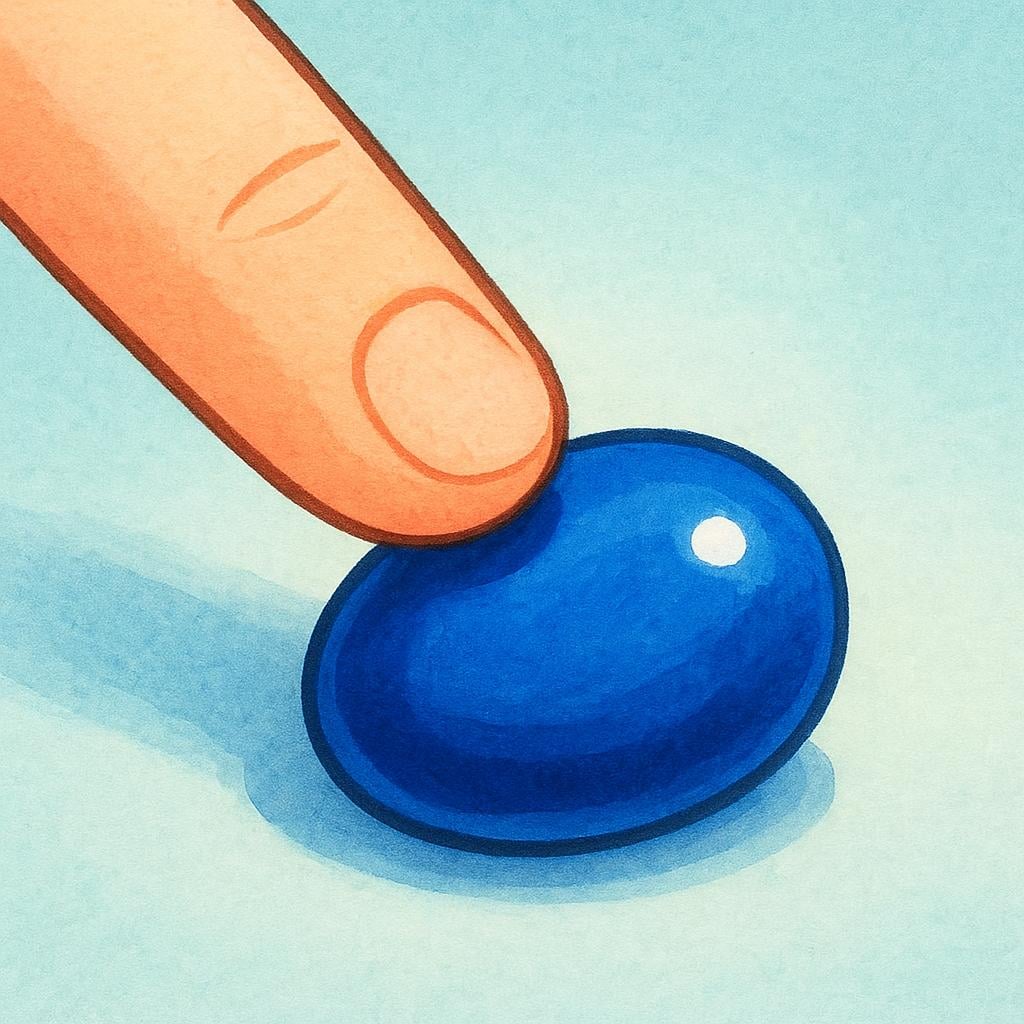
“tocado” means “touched” in Spanish. It has 3 different meanings depending on context:


📝 In Action
Nunca he tocado esa campana.
A1I have never rung that bell.
Ella había tocado el piano desde niña.
A2She had played the piano since she was a child.
headdress
Also: fascinator, headpiece
📝 In Action
La novia llevaba un tocado impresionante con plumas.
B1The bride was wearing an impressive headdress with feathers.
Para la carrera de caballos, es obligatorio llevar un tocado.
B2For the horse race, it is mandatory to wear a fascinator.
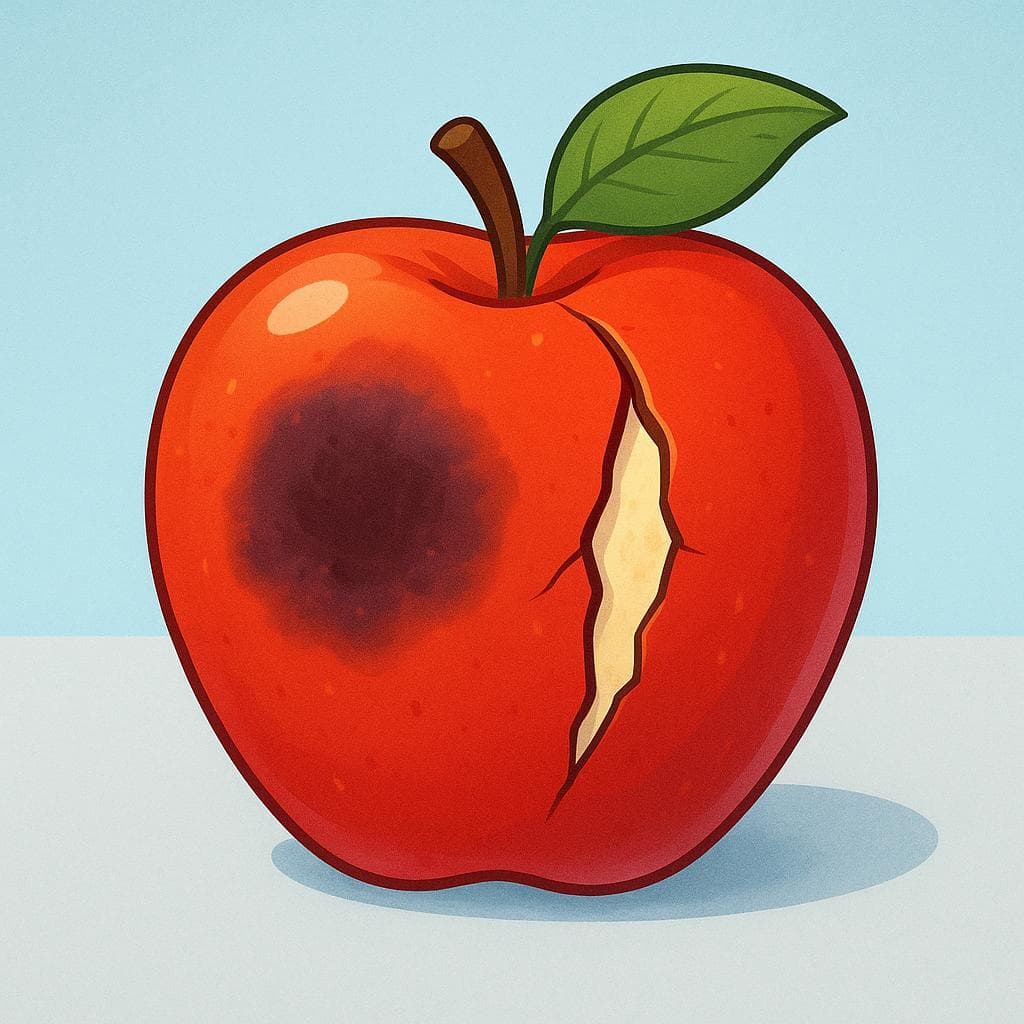
damaged, slightly crazy
Also: affected, tipsy/drunk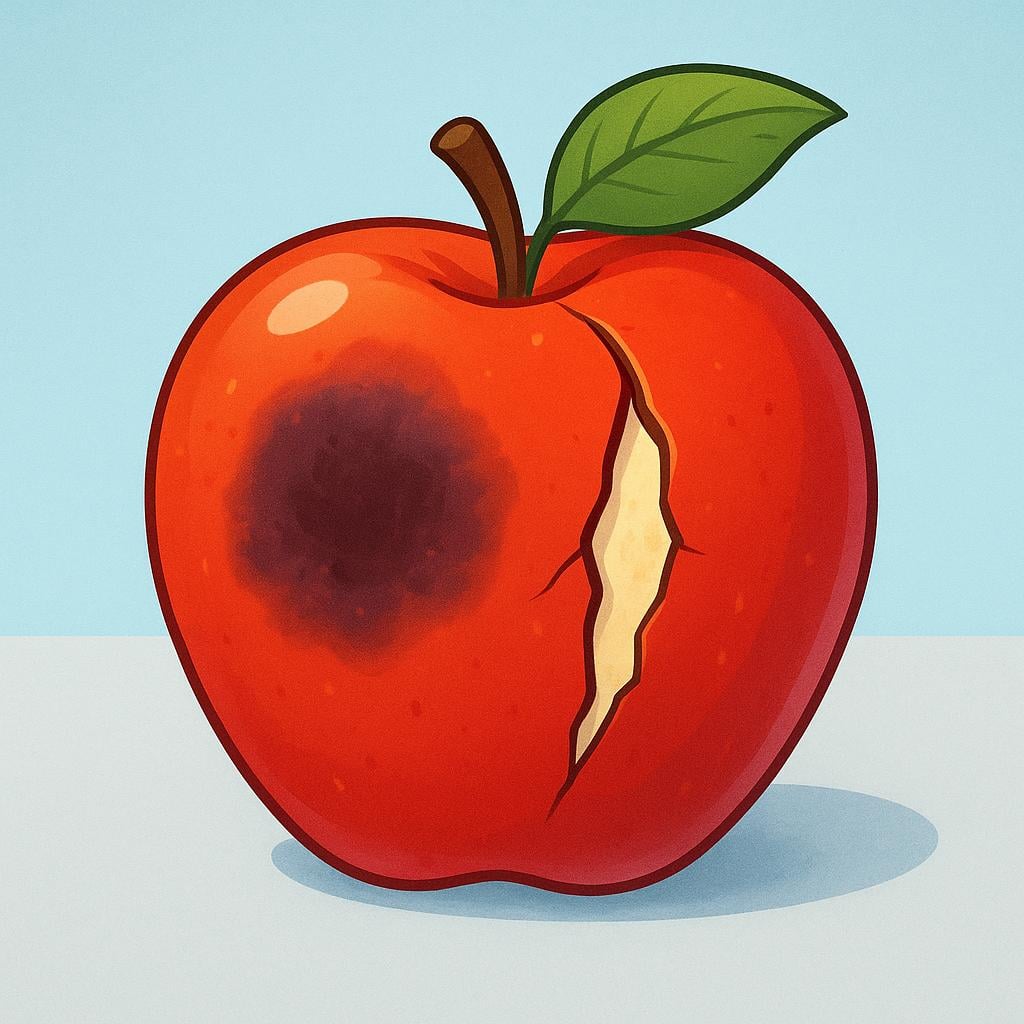
📝 In Action
El motor de la lancha está tocado; no arranca bien.
B2The boat engine is damaged; it doesn't start well.
Después de la noticia, María se quedó muy tocada.
B2After the news, Maria was left deeply affected (or hurt).
Creo que ese hombre está un poco tocado de la cabeza.
C1I think that man is a little bit crazy (literally: touched in the head).
Translate to Spanish
Words that translate to "tocado" in Spanish:
affected→damaged→fascinator→headdress→headpiece→knocked→played→rung→✏️ Quick Practice
Quick Quiz: tocado
Question 1 of 2
Which sentence uses 'tocado' as a piece of headwear?
📚 More Resources
📚 Etymology▼
'Tocado' comes directly from the verb 'tocar', which evolved from a Latin word meaning 'to strike' or 'to knock'. Over time, it developed the meaning of light contact ('to touch') and the more abstract sense of performing music ('to play'). The noun 'tocado' (headdress) is a direct derivation, referring to something that 'touches' or covers the head.
First recorded: 13th century (as 'tocar')
Cognates (Related words)
💡 Master Spanish
Take your Spanish to the next level. Read 200+ illustrated and narrated Spanish stories tailored to your level with the Inklingo app!
Frequently Asked Questions
How is 'tocado' different from 'ha tocado'?
'Tocado' is the base form (the past participle), meaning 'touched' or 'played.' 'Ha tocado' is the complete verb phrase, combining the auxiliary verb 'haber' ('ha') with 'tocado,' meaning 'he/she/it has touched/played.'
Can I use 'tocado' to mean 'drunk'?
Yes, in very informal, conversational Spanish, especially in Spain, 'estar tocado' can mean slightly drunk or tipsy, but it's not the most common translation. Stick to 'borracho' or 'ebrio' for clarity in most situations.