tomé
“tomé” means “I took” in Spanish. It has 3 different meanings depending on context:
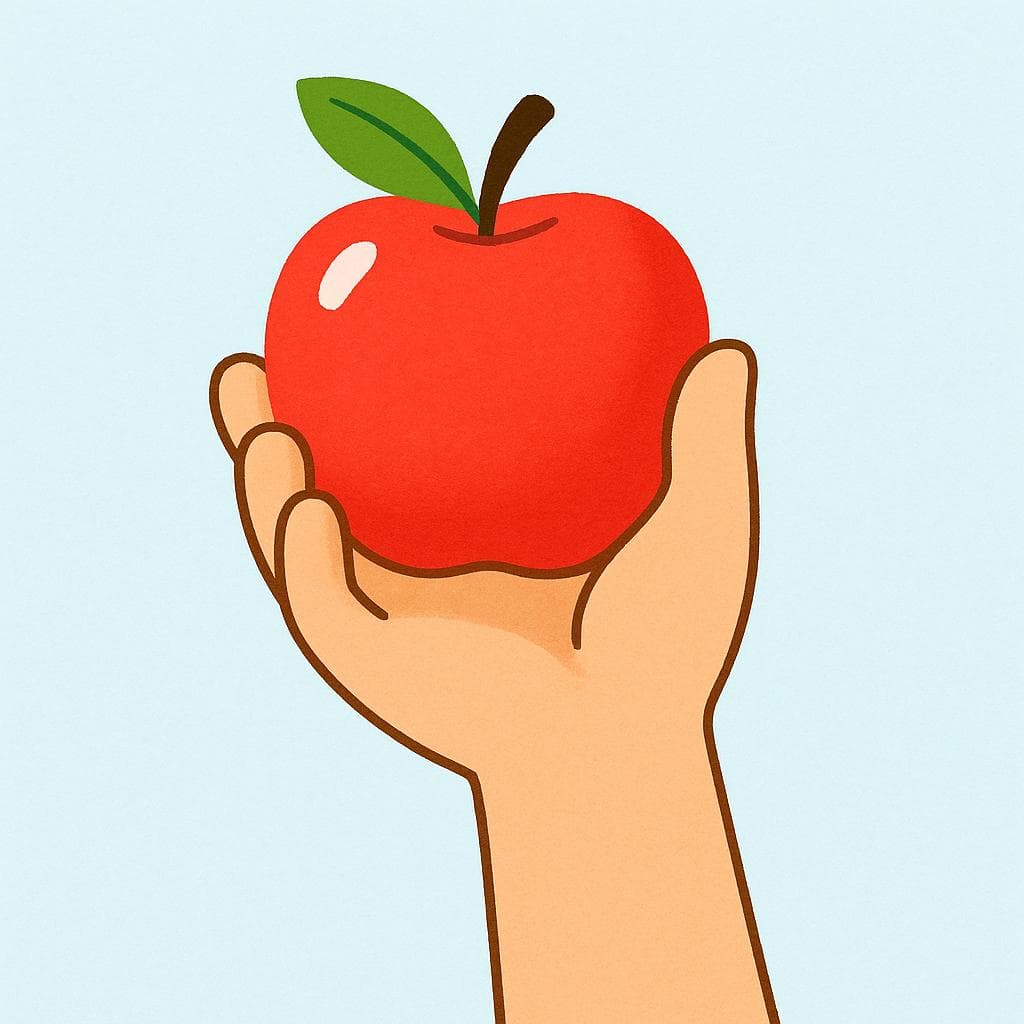
I took, I grabbed
Also: I received
📝 In Action
Tomé mi billetera antes de salir de casa.
A1I took my wallet before leaving the house.
Tomé las llaves que estaban sobre la mesa.
A1I grabbed the keys that were on the table.
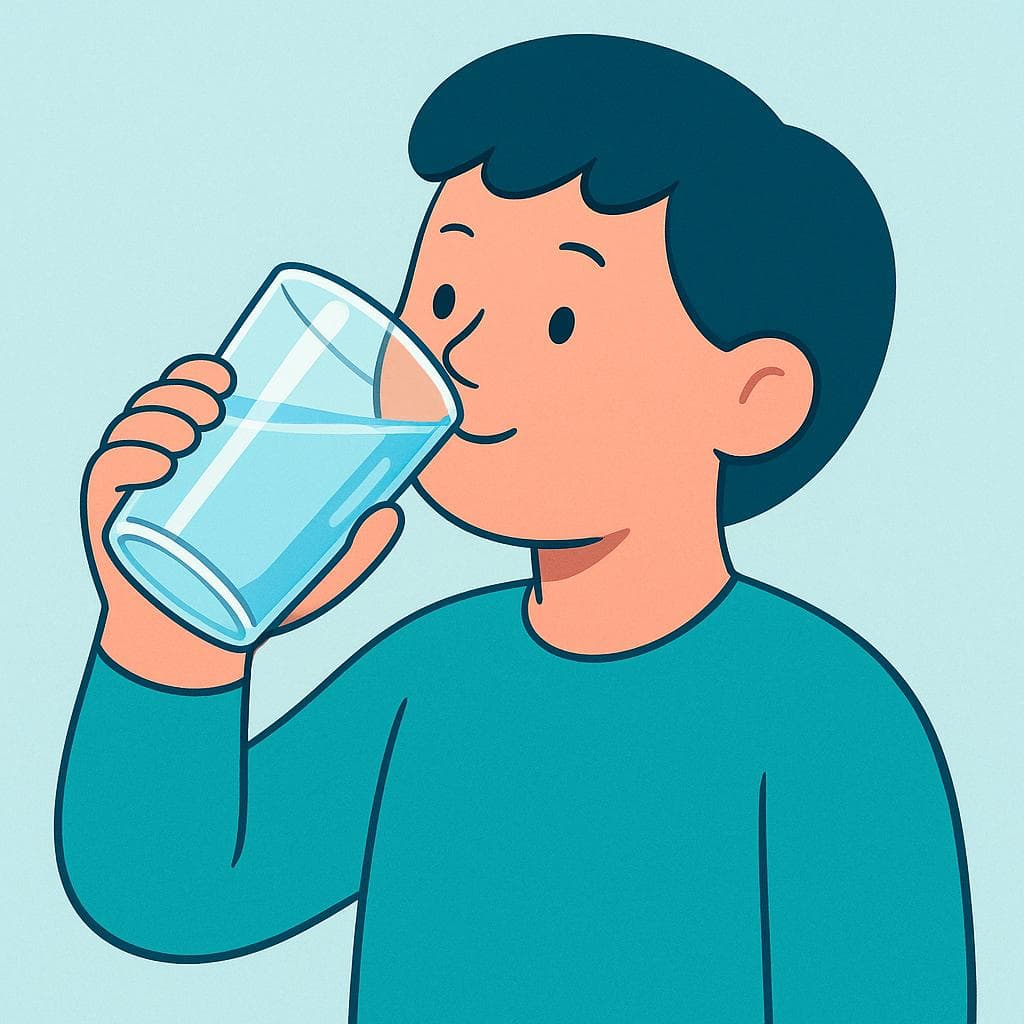
I drank, I had
Also: I consumed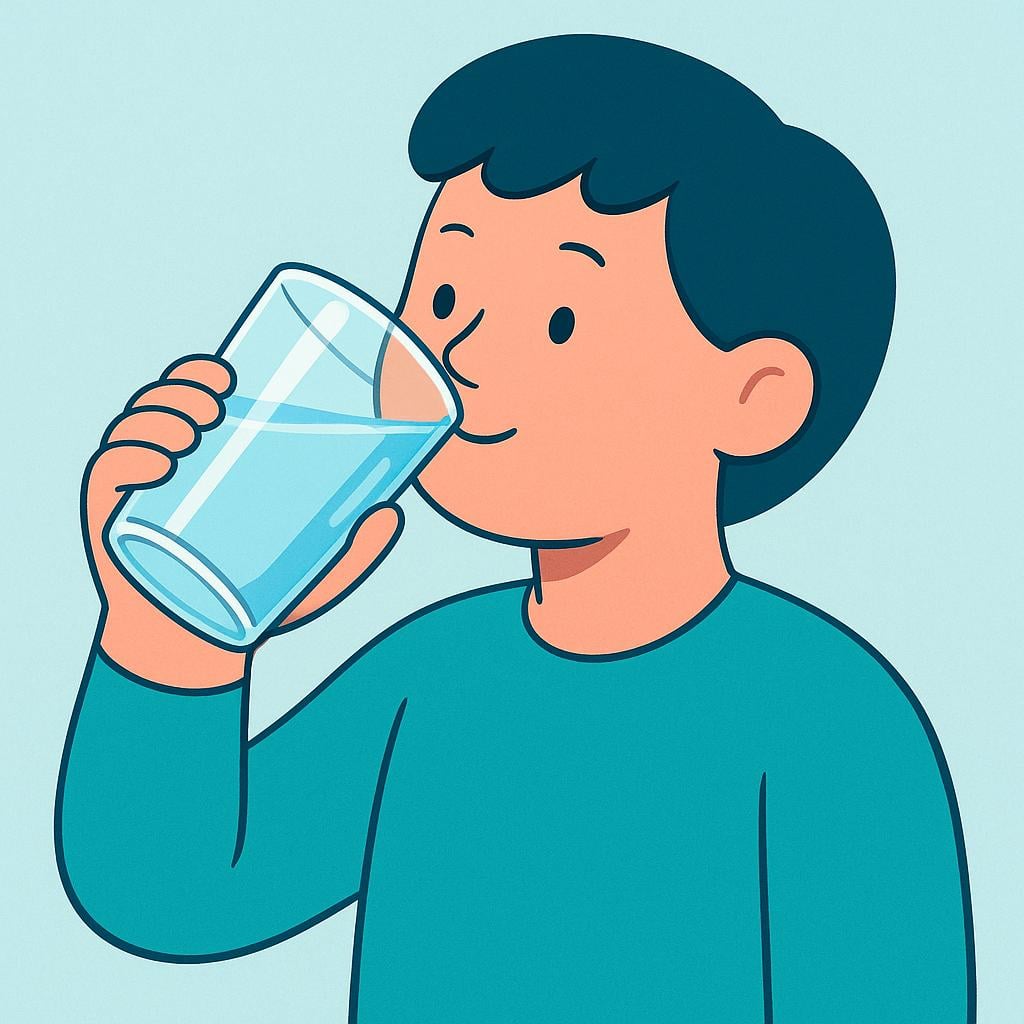
📝 In Action
Tomé un café y luego salí a trabajar.
A1I drank a coffee and then left for work.
Tomé mucha agua después de correr la maratón.
A2I drank a lot of water after running the marathon.
En México, tomé un poco de tequila.
B1In Mexico, I had a little tequila.
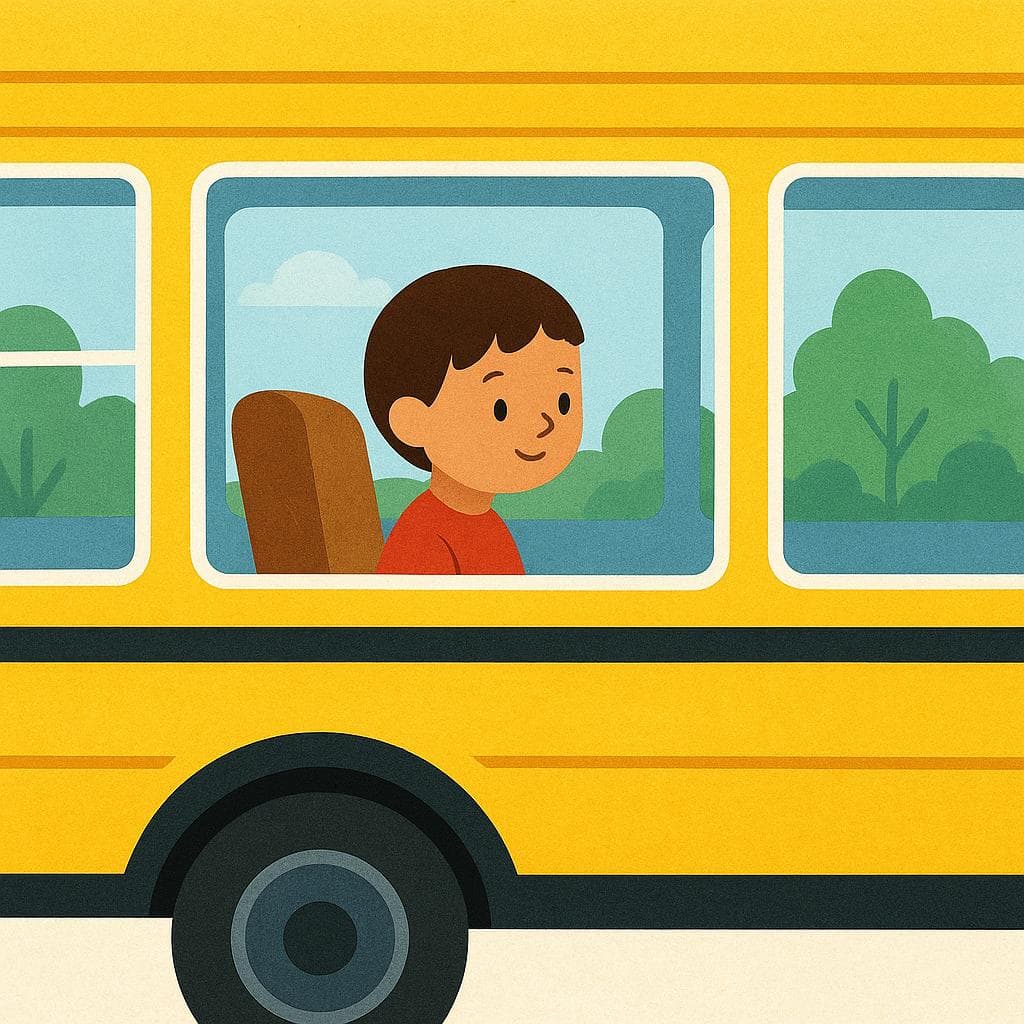
I took, I caught
Also: I took, I measured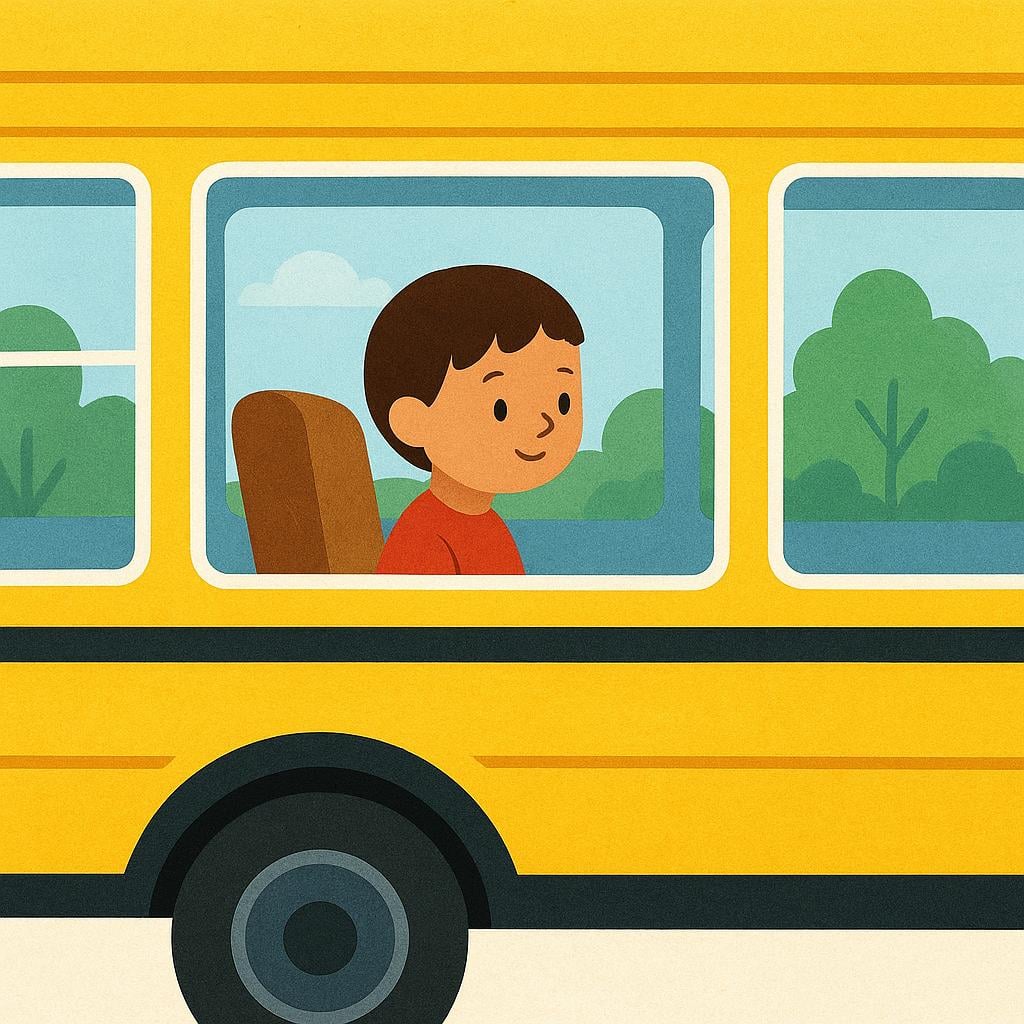
📝 In Action
Para ir al centro, tomé el autobús número 12.
A2To go downtown, I took bus number 12.
Tomé varias fotos del atardecer en la playa.
B1I took several photos of the sunset on the beach.
Finalmente, tomé la decisión de renunciar al trabajo.
B2Finally, I made the decision to quit the job.
Indicative
Present
Imperfect
Preterite
Subjunctive
Present Subjunctive
Imperfect Subjunctive
Translate to Spanish
✏️ Quick Practice
Quick Quiz: tomé
Question 1 of 2
Which English translation is NOT appropriate for the sentence: 'Tomé un taxi y tomé un vaso de jugo.'
📚 More Resources
👥 Word Family▼
📚 Etymology▼
Comes from the vulgar Latin word *tomare*, which itself is thought to come from the Greek *tome* (a cutting or section). It originally related to harvesting or picking, and later expanded to mean 'to grab' or 'to take.'
First recorded: Around the 13th century
Cognates (Related words)
💡 Master Spanish
Take your Spanish to the next level. Read 200+ illustrated and narrated Spanish stories tailored to your level with the Inklingo app!
Frequently Asked Questions
Why does 'tomé' have an accent mark?
The accent mark is essential because it shows you are using the past tense (preterite) and not the present tense. It also helps distinguish 'tomé' (I took) from 'tome' (the subjunctive form used for commands or wishes).
Is 'tomé' interchangeable with 'bebí' (I drank)?
Yes, often. You can say 'Tomé agua' or 'Bebí agua.' However, 'tomé' is much broader and covers taking objects, transportation, and photos, while 'bebí' only means to drink.