trajeron
“trajeron” means “they brought” in Spanish (past action completed by a group).
they brought
Also: you all brought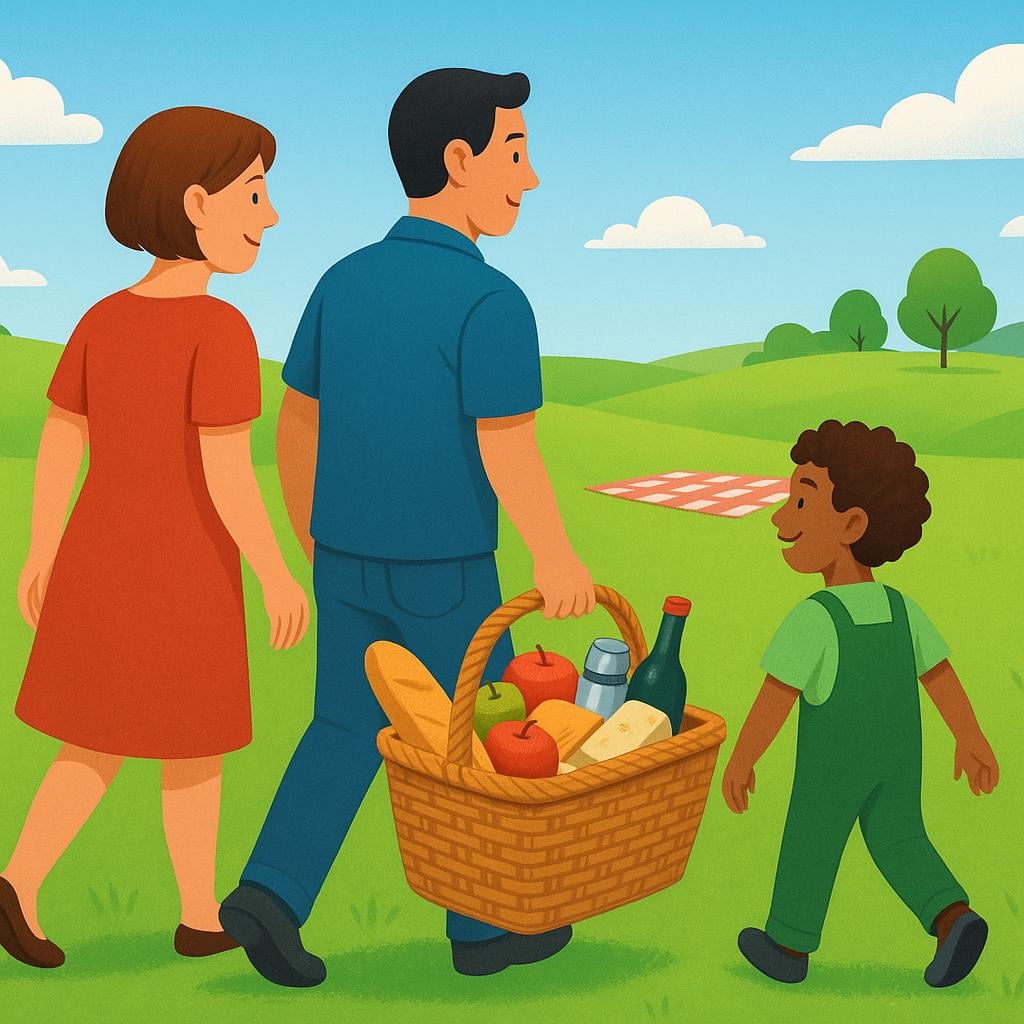
📝 In Action
Mis vecinos trajeron flores cuando me mudé.
A2My neighbors brought flowers when I moved in.
Los niños trajeron todos sus juguetes al jardín.
A2The children brought all their toys to the garden.
¿Qué trajeron ustedes de su viaje a México?
B1What did you all bring from your trip to Mexico?
Indicative
Present
Imperfect
Preterite
Subjunctive
Present Subjunctive
Imperfect Subjunctive
Translate to Spanish
Words that translate to "trajeron" in Spanish:
they brought→✏️ Quick Practice
Quick Quiz: trajeron
Question 1 of 1
Which sentence correctly uses 'trajeron'?
📚 More Resources
👥 Word Family▼
🎵 Rhymes▼
📚 Etymology▼
Comes from the Latin verb *trahere*, meaning 'to pull,' 'to drag,' or 'to draw.' The meaning shifted in Spanish to 'pull toward oneself,' which became 'to bring.'
First recorded: Old Spanish, 10th-11th century
Cognates (Related words)
💡 Master Spanish
Take your Spanish to the next level. Read 200+ illustrated and narrated Spanish stories tailored to your level with the Inklingo app!
Frequently Asked Questions
Why does the simple past (preterite) form 'trajeron' have a 'j' instead of an 'i'?
This is a major irregularity in Spanish! The verb 'traer' changes its root from 'trae-' to 'traj-' in the simple past tense. This special 'j' sound is crucial for all the past tense forms (traje, trajiste, trajo, trajeron).
Is 'trajeron' used for 'they brought' or 'you all brought'?
It is used for both! 'Ellos/Ellas trajeron' means 'they brought,' and 'Ustedes trajeron' means 'you all brought' (the formal plural form).