tribal
“tribal” means “tribal” in Spanish (relating to a tribe or group).
tribal
Also: clannish, ethnic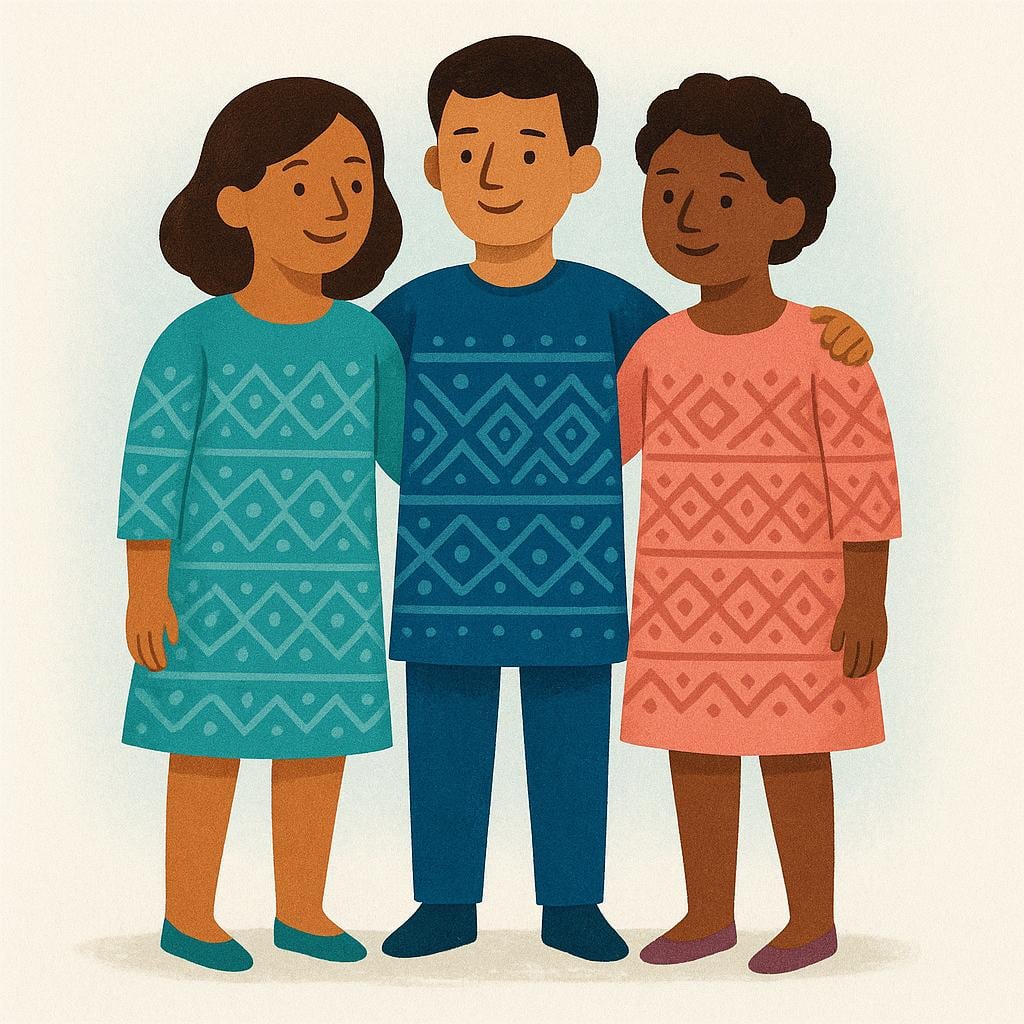
📝 In Action
Las estructuras sociales tribales son muy diferentes de las occidentales.
B2Tribal social structures are very different from Western ones.
La música tribal se caracteriza por el uso de tambores y flautas.
B1Tribal music is characterized by the use of drums and flutes.
Algunos analistas critican la política moderna por su comportamiento tribal.
C1Some analysts criticize modern politics for its tribal behavior (excessive loyalty to one side).
✏️ Quick Practice
Quick Quiz: tribal
Question 1 of 2
Which sentence correctly uses the plural form of 'tribal'?
📚 More Resources
👥 Word Family▼
📚 Etymology▼
The word comes from the Latin *tribalis*, which is based on the root *tribus*, meaning 'a tribe or division.' The ancient Romans used this term to divide their own citizens.
First recorded: 15th century (in Spanish)
Cognates (Related words)
💡 Master Spanish
Take your Spanish to the next level. Read 200+ illustrated and narrated Spanish stories tailored to your level with the Inklingo app!
Frequently Asked Questions
Does 'tribal' change its form for masculine and feminine nouns?
No, it doesn't! 'Tribal' is one of those helpful Spanish adjectives that stays the same whether it describes a masculine noun (el líder tribal) or a feminine noun (la danza tribal). It only changes to 'tribales' for the plural.
Is 'tribal' only used for ancient cultures?
Not always. While it often refers to indigenous or historical groups, it is also frequently used in modern journalism and social commentary to describe intense, often hostile, loyalty to a modern group, like a political party or faction.