ancestral
“ancestral” means “ancestral” in Spanish (related to ancestors or family history).
ancestral
Also: age-old, ancient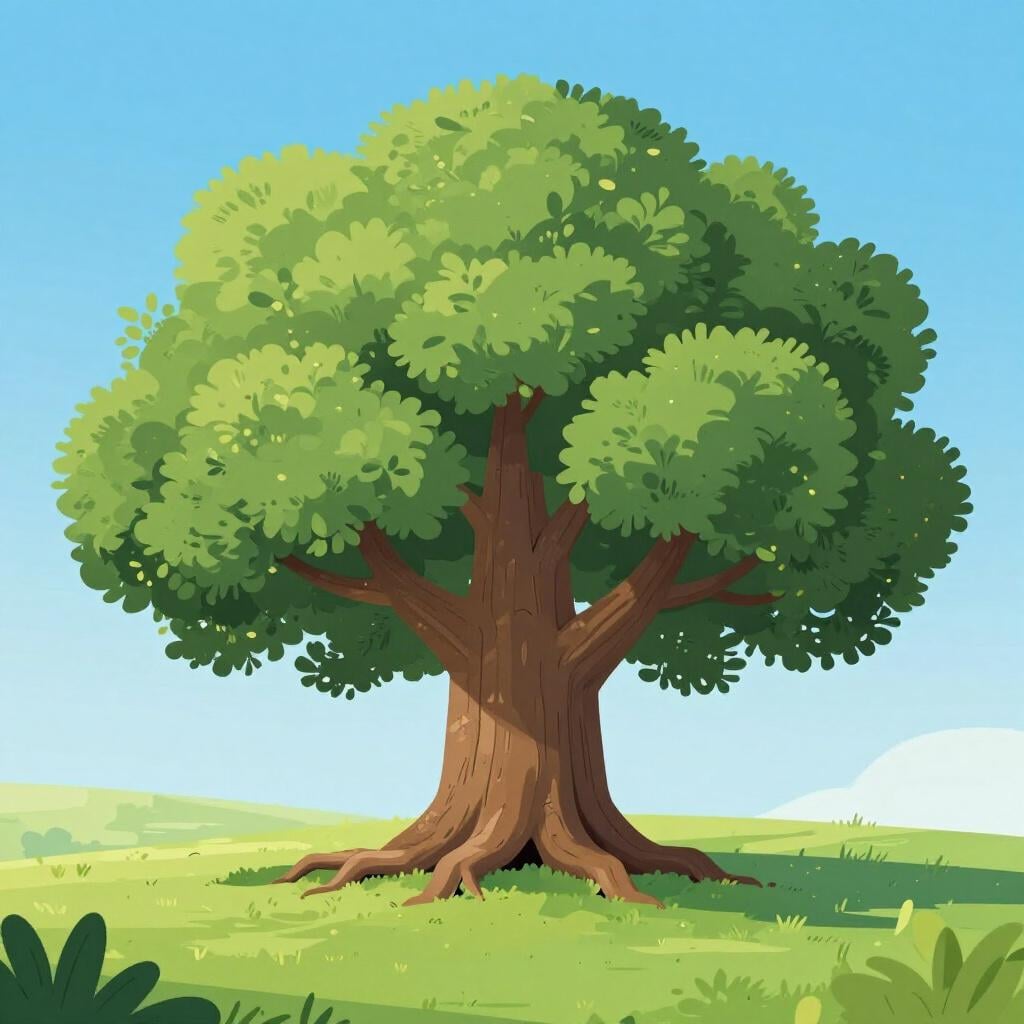
📝 In Action
Esta es una tradición ancestral de mi familia.
A2This is an ancestral tradition in my family.
Ellos luchan por proteger sus tierras ancestrales.
B1They fight to protect their ancestral lands.
El conocimiento ancestral sobre las plantas es invaluable.
B2The age-old knowledge about plants is invaluable.
Translate to Spanish
✏️ Quick Practice
Quick Quiz: ancestral
Question 1 of 3
Which of these phrases correctly describes 'ancestral lands' in the plural?
📚 More Resources
👥 Word Family▼
📚 Etymology▼
From the French word 'ancestral', which comes from the Latin 'antecessor', meaning 'one who goes before'.
First recorded: 18th century
Cognates (Related words)
💡 Master Spanish
Take your Spanish to the next level. Read 200+ illustrated and narrated Spanish stories tailored to your level with the Inklingo app!
Frequently Asked Questions
Is 'ancestral' used more than 'antepasado'?
They are different parts of speech! 'Ancestral' is a describing word (adjective), while 'antepasado' is usually a noun meaning 'ancestor'.
Can I call a person 'ancestral'?
Not really. You would call a person an 'ancestro' (ancestor). 'Ancestral' is used to describe things related to them, like traditions or homes.
Is this a formal word?
It's slightly formal but very common in daily life when talking about culture, history, or genealogy.