antepasado
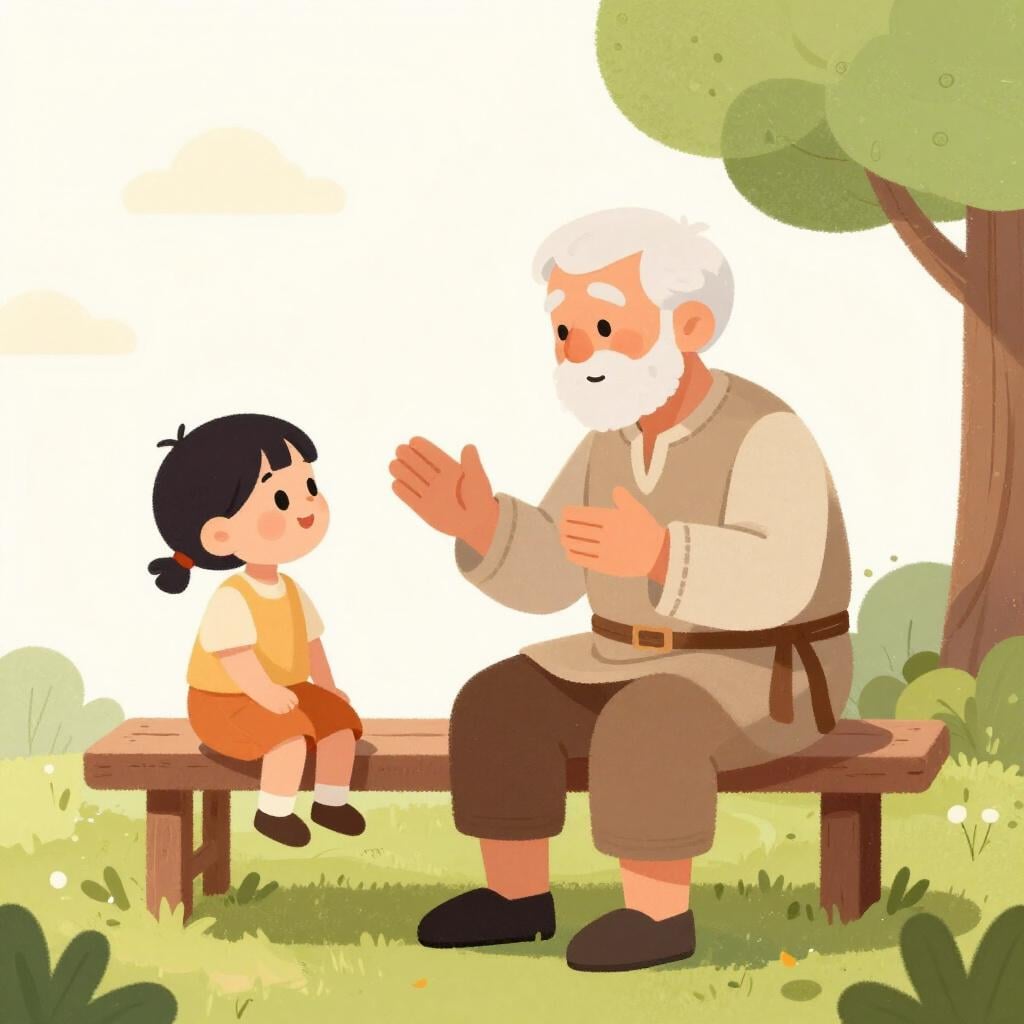
“antepasado” means “ancestor” in Spanish. It has 2 different meanings depending on context:


ancestorAlso: forefather
📝 In Action
Mis antepasados vinieron de un pequeño pueblo en Italia.
A2My ancestors came from a small town in Italy.
Es fascinante descubrir cómo vivían nuestros antepasados.
B1It is fascinating to discover how our ancestors lived.
Muchos de sus antepasados fueron agricultores.
B1Many of his ancestors were farmers.
Word Connections
before lastAlso: past

📝 In Action
Fui a Madrid el año antepasado.
A2I went to Madrid the year before last.
El mes antepasado hizo mucho frío.
B1The month before last was very cold.
Lo conocí en el siglo antepasado.
B2I met him (it) in the century before last.
Word Connections
Translate to Spanish
Words that translate to "antepasado" in Spanish:
✏️ Quick Practice
Quick Quiz: antepasado
Question 1 of 3
If today is 2024, what year are you talking about if you say 'el año antepasado'?
📚 More Resources
👥 Word Family
📚 Etymology
From the Spanish prefix 'ante-' (meaning before) and 'pasado' (meaning past). Literally 'the one who passed before'.
First recorded: 13th century
Cognates (Related words)
💡 Master Spanish
Take your Spanish to the next level. Read 200+ illustrated and narrated Spanish stories tailored to your level with the Inklingo app!
Frequently Asked Questions
Is 'ancestro' the same as 'antepasado'?
Yes, they mean the same thing, but 'antepasado' is much more common in conversational Spanish. 'Ancestro' can sound a bit more scientific or literary.
Can I use 'antepasado' for female ancestors?
If you are talking about a specific female ancestor, you say 'mi antepasada'. If you are talking about ancestors as a group, you use the masculine plural 'mis antepasados'.
What is the difference between 'pasado' and 'antepasado'?
'Pasado' means last (e.g., last month). 'Antepasado' means the one before the last one (e.g., the month before last).