trompeta
“trompeta” means “trumpet” in Spanish. It has 2 different meanings depending on context:
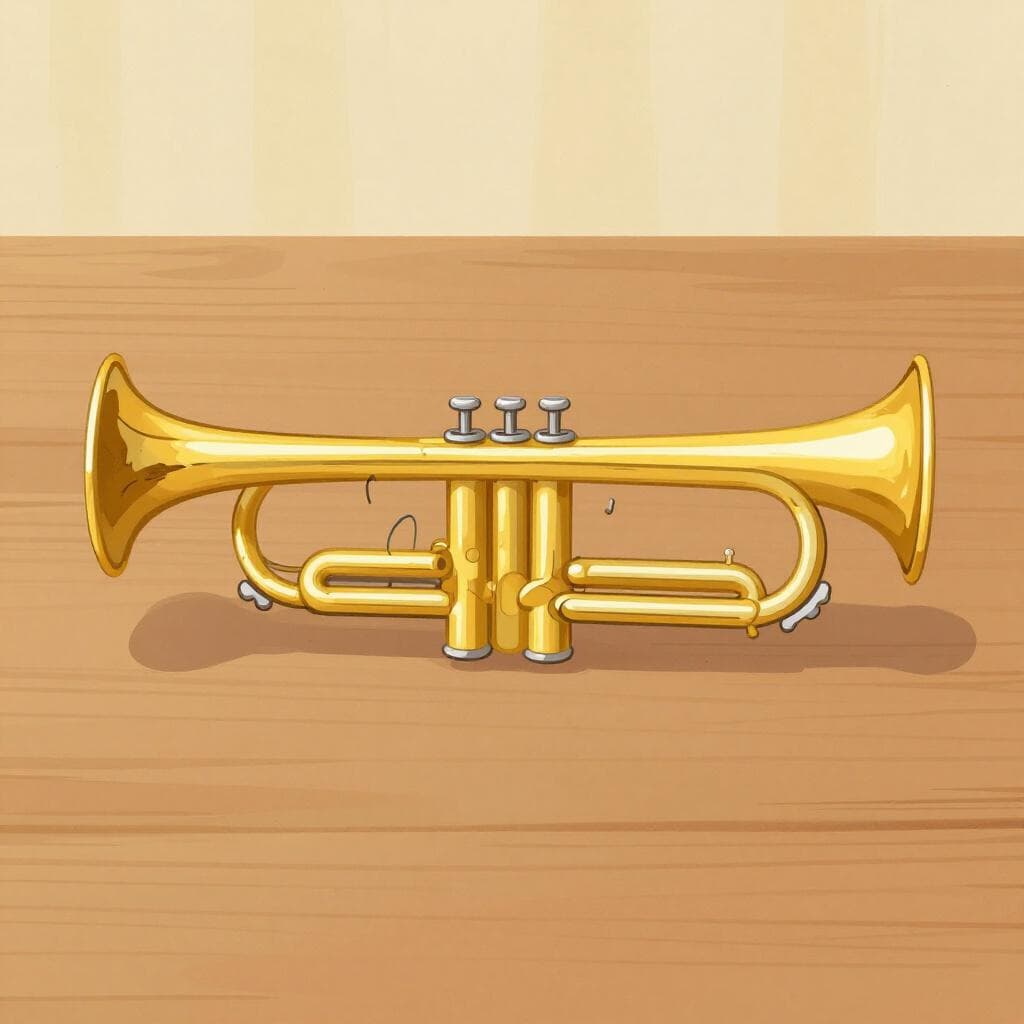

trumpetAlso: horn
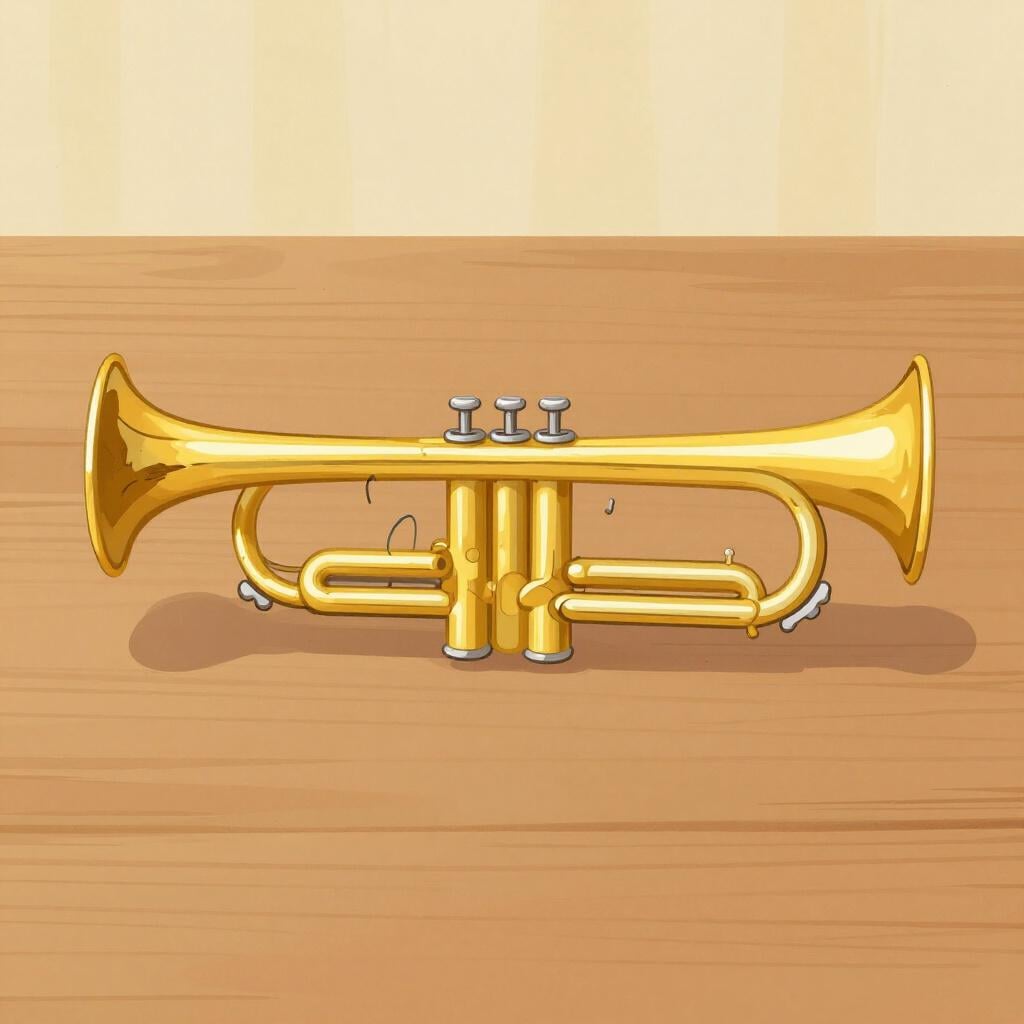
📝 In Action
Mi hermano toca la trompeta en una banda de jazz.
A1My brother plays the trumpet in a jazz band.
La trompeta es un instrumento de metal con un sonido brillante.
A2The trumpet is a brass instrument with a bright sound.
Para tocar la trompeta, necesitas controlar muy bien la respiración.
B1To play the trumpet, you need to control your breathing very well.
Word Connections
trumpeter, trumpet player

📝 In Action
Él es el primer trompeta de la orquesta filarmónica.
B1He is the first trumpet (player) of the philharmonic orchestra.
La trompeta solista hizo una interpretación increíble.
B2The solo trumpet player gave an incredible performance.
Miles Davis fue un trompeta legendario.
B2Miles Davis was a legendary trumpet player.
Word Connections
Translate to Spanish
Words that translate to "trompeta" in Spanish:
✏️ Quick Practice
Quick Quiz: trompeta
Question 1 of 3
If you want to say 'I play the trumpet,' which verb should you use?
📚 More Resources
👥 Word Family
📚 Etymology
From the Italian word 'trombetta,' which is a smaller version of 'tromba' (tube or trumpet). It ultimately comes from an old Germanic word meaning 'to sound' or 'to pipe.'
First recorded: 13th century
Cognates (Related words)
💡 Master Spanish
Take your Spanish to the next level. Read 200+ illustrated and narrated Spanish stories tailored to your level with the Inklingo app!
Frequently Asked Questions
Is 'trompeta' masculine or feminine?
It is feminine (la trompeta) when referring to the instrument. When referring to the person playing it, it can be masculine (el trompeta) or feminine (la trompeta) depending on the person's gender.
What is the difference between 'trompeta' and 'trompetista'?
'Trompeta' is the instrument itself. Both 'trompeta' and 'trompetista' can refer to the player, but 'trompetista' is the more common, everyday term for the person.
Can 'trompeta' mean anything else?
In some very informal slang in certain countries, it can be used to describe someone who is a loudmouth, but this is much less common than the musical meaning.