How to Say "horn" in Spanish
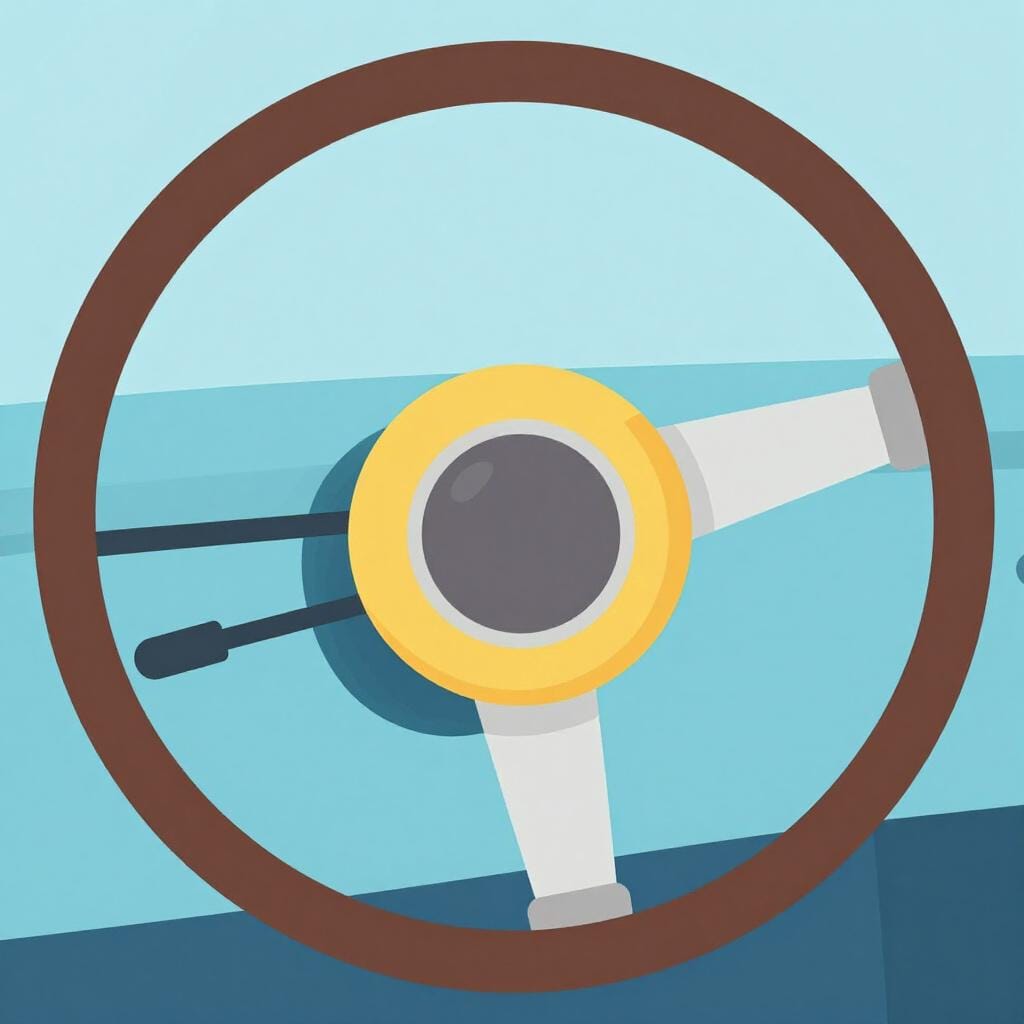
The most common Spanish word for “horn” is “bocina” — use 'bocina' when referring to the horn of a vehicle that makes a warning sound.
bocina
bo-SEE-nahboˈθina
Examples
El conductor tocó la bocina para evitar un accidente.
The driver honked the horn to avoid an accident.
No uses la bocina cerca de un hospital.
Don't use the horn near a hospital.
La bocina del barco se escuchaba a lo lejos.
The ship's horn could be heard in the distance.
Gender Check
Since this word ends in 'a', it is feminine. Always use 'la' or 'una' with it.
Horn vs. Animal Horn
Mistake: “El toro tiene bocinas grandes.”
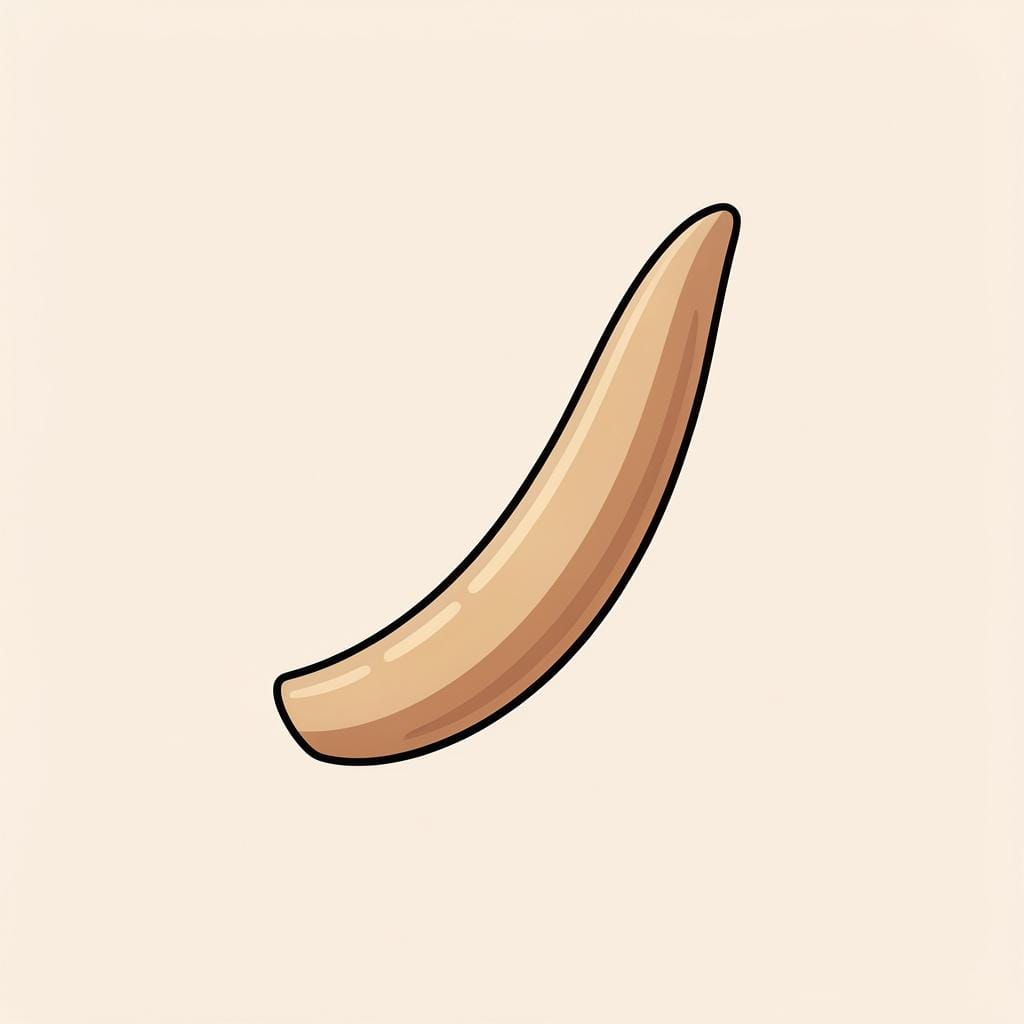
Correction: El toro tiene cuernos grandes. Use 'cuerno' for animals and 'bocina' for mechanical sounds.
cuerno
KWER-nohˈkweɾno
Examples
El rinoceronte tiene un cuerno muy largo.
The rhinoceros has a very long horn.
Este peine está hecho de cuerno de buey.
This comb is made of ox horn.
Making it Plural
Since it ends in a vowel, just add -s: 'los cuernos'.
Horns vs. Trumpets
Mistake: “Using 'cuerno' for a modern musical horn.”
Correction: Use 'trompa' or 'corno francés' for the musical instrument; 'cuerno' usually refers to the animal part or a primitive bugle.
trompeta
trom-peh-tahtɾomˈpeta

Examples
Mi hermano toca la trompeta en una banda de jazz.
My brother plays the trumpet in a jazz band.
La trompeta es un instrumento de metal con un sonido brillante.
The trumpet is a brass instrument with a bright sound.
Para tocar la trompeta, necesitas controlar muy bien la respiración.
To play the trumpet, you need to control your breathing very well.
Always Feminine for the Instrument
When you are talking about the physical object (the instrument), it is always 'la trompeta,' no matter who is playing it.
Using 'Tocar' for Instruments
In Spanish, we don't 'play' (jugar) an instrument; we 'touch' (tocar) it. Always use 'tocar la trompeta' to say you play it.
Playing vs. Touching
Mistake: “Yo juego la trompeta.”
Correction: Yo toco la trompeta. 'Jugar' is for sports and games; 'tocar' is for music.
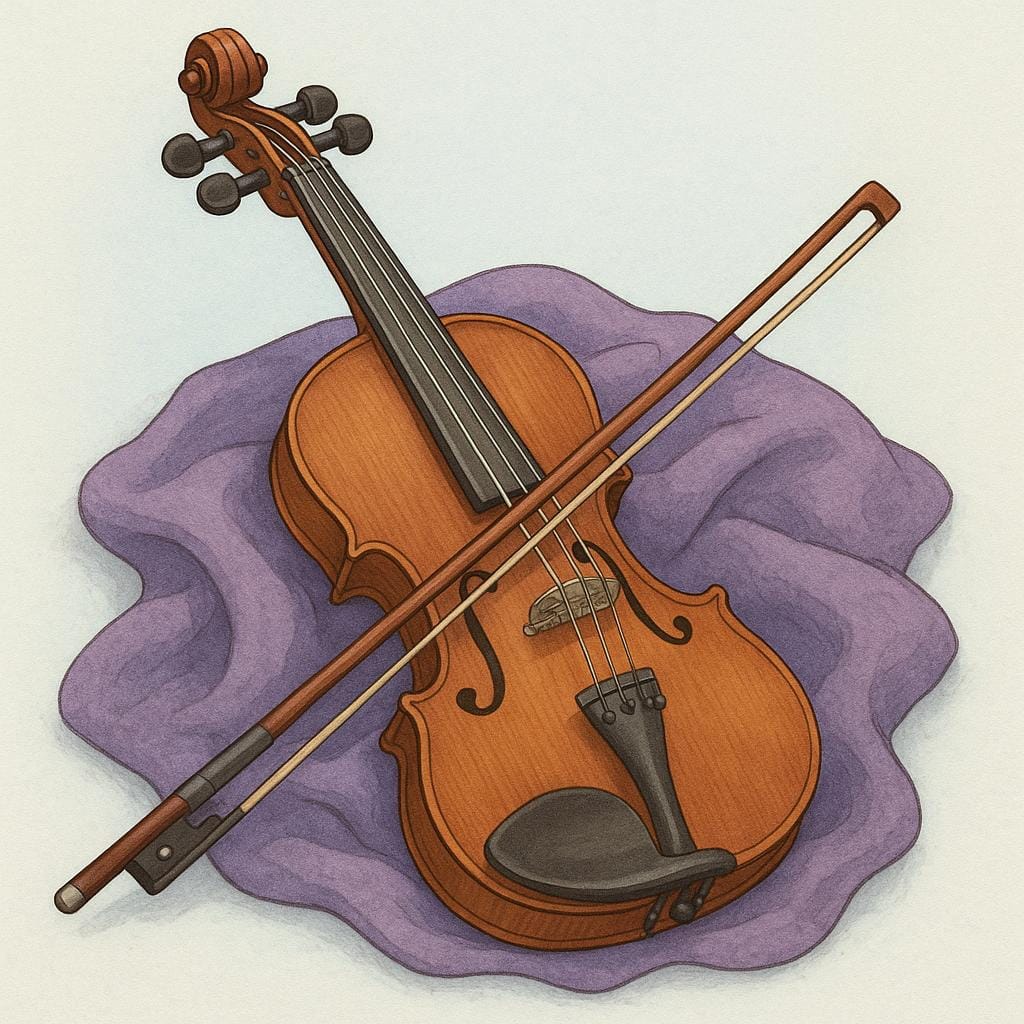
instrumento
een-stroo-MEN-tohinstɾuˈmento
Examples
Mi instrumento favorito es el piano, pero toco la guitarra.
My favorite instrument is the piano, but I play the guitar.
Ella necesita un estuche nuevo para proteger su instrumento.
She needs a new case to protect her instrument.
Hay muchos tipos de instrumentos de cuerda y de viento.
There are many types of string and wind instruments.
Vehicle Horn vs. Animal Horn
Related Translations
Learn Spanish with Inklingo
Interactive stories, personalized learning, and more.