bocina
“bocina” means “horn” in Spanish. It has 2 different meanings depending on context:
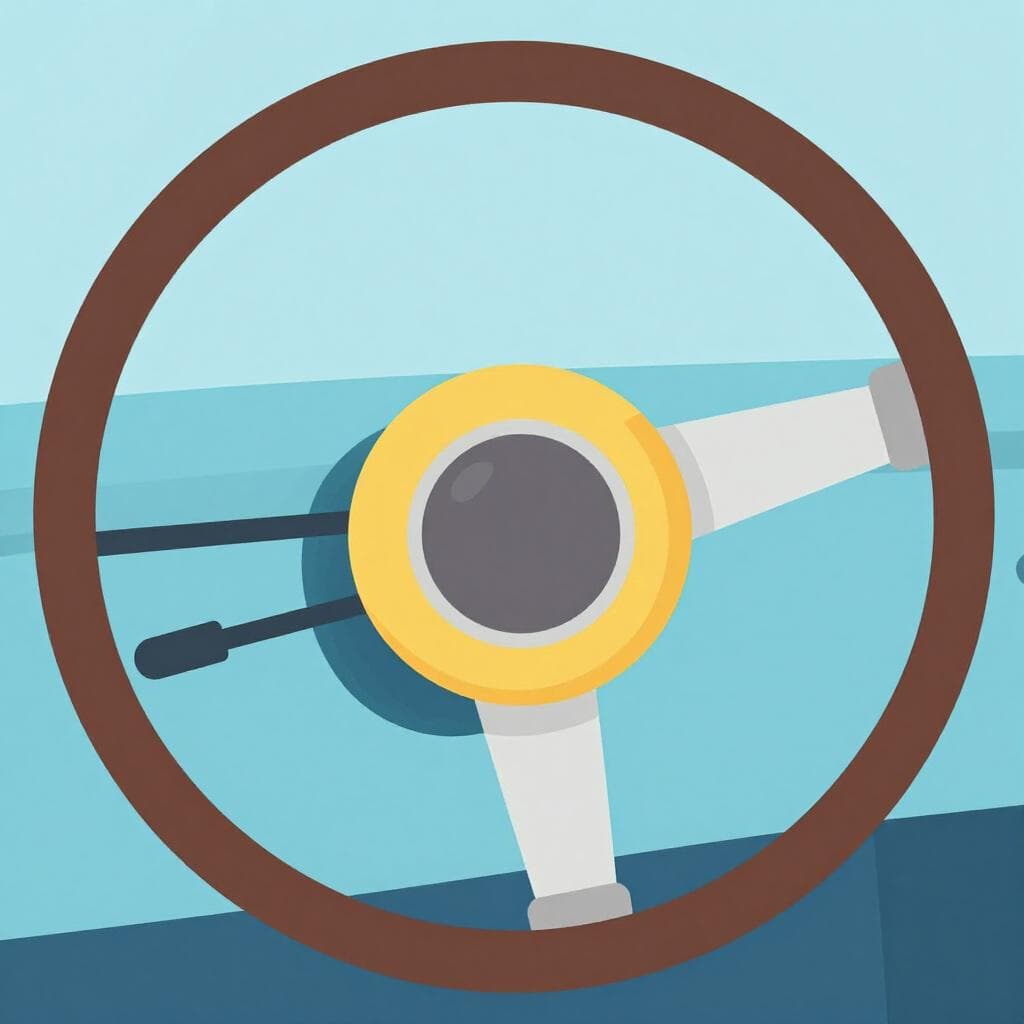
horn
Also: siren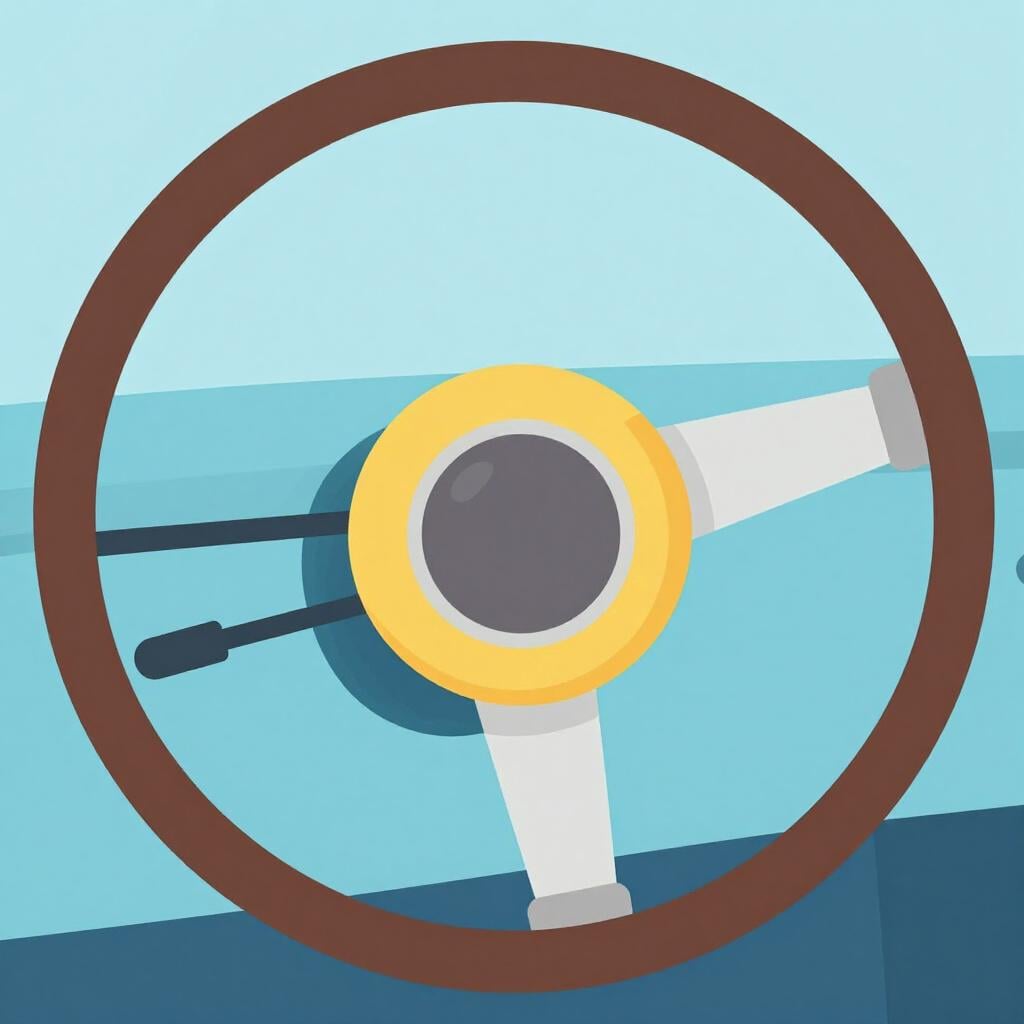
📝 In Action
El conductor tocó la bocina para evitar un accidente.
A2The driver honked the horn to avoid an accident.
No uses la bocina cerca de un hospital.
A2Don't use the horn near a hospital.
La bocina del barco se escuchaba a lo lejos.
B1The ship's horn could be heard in the distance.
speaker
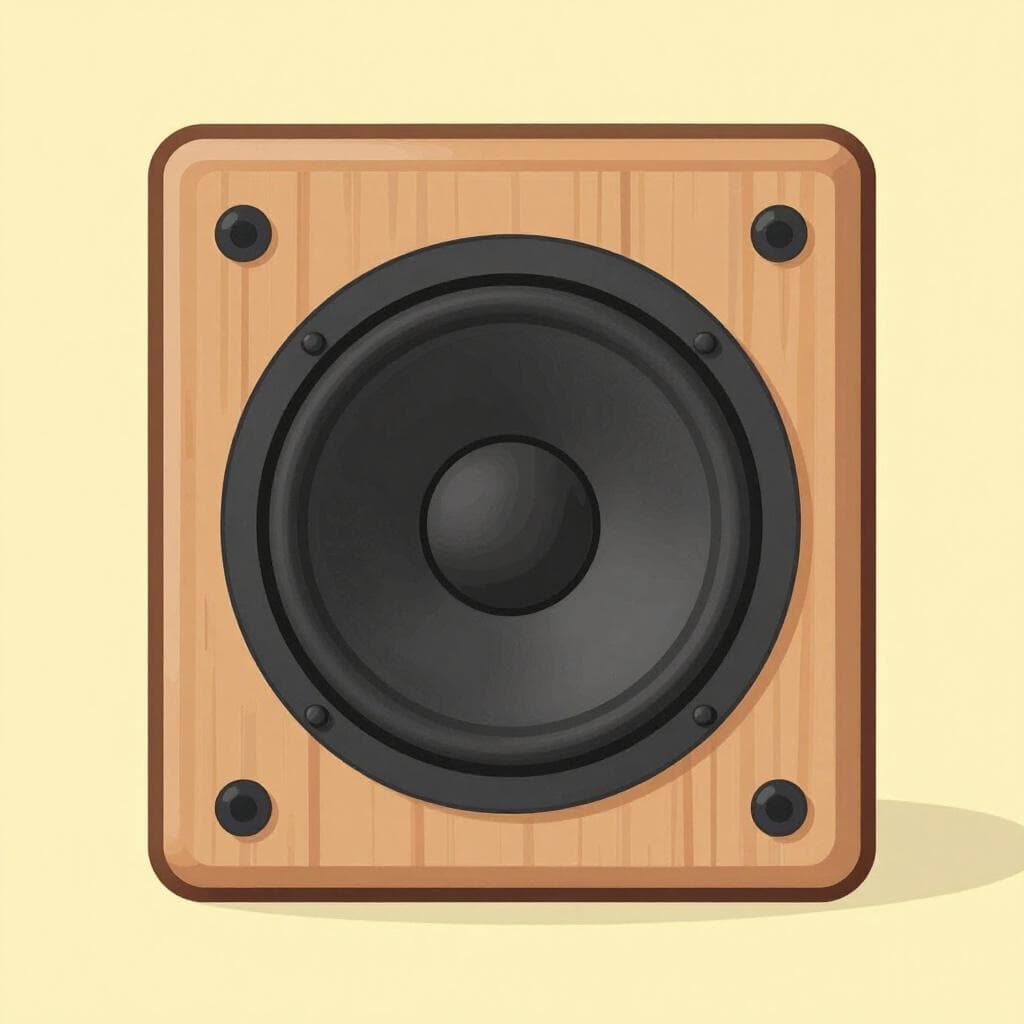
Also: loudspeaker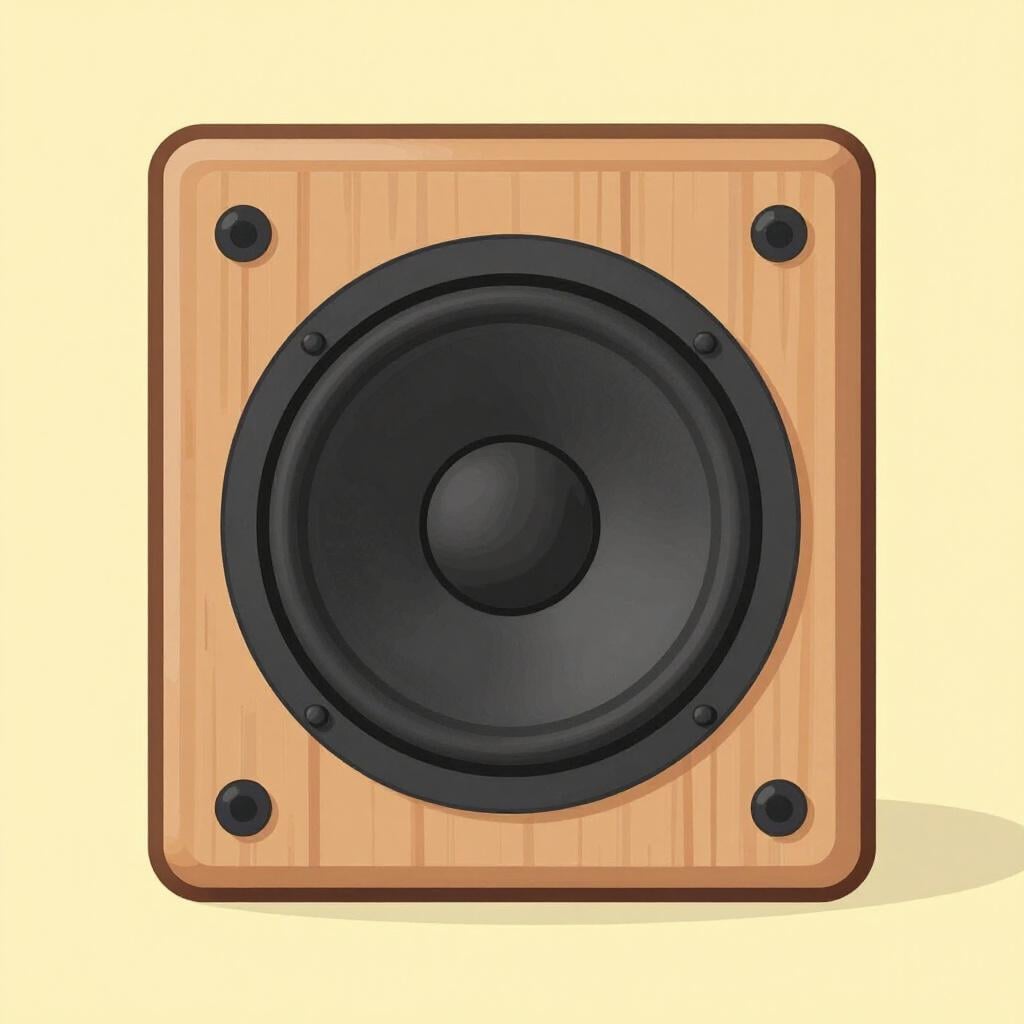
📝 In Action
Compré una bocina Bluetooth para mis fiestas.
B1I bought a Bluetooth speaker for my parties.
La música suena muy bien en estas bocinas.
A2The music sounds very good on these speakers.
Se rompió la bocina derecha de mi computadora.
B1The right speaker of my computer broke.
Translate to Spanish
✏️ Quick Practice
Quick Quiz: bocina
Question 1 of 3
If you are driving in Mexico and a car is blocking your way, what do you do?
📚 More Resources
👥 Word Family▼
📚 Etymology▼
From the Latin word 'bucina,' which was a curved horn or trumpet used by the Roman army for signals. It is related to 'boca' (mouth) because you use your mouth to blow into early versions of these instruments.
First recorded: 13th century
Cognates (Related words)
💡 Master Spanish
Take your Spanish to the next level. Read 200+ illustrated and narrated Spanish stories tailored to your level with the Inklingo app!
Frequently Asked Questions
Is 'bocina' masculine or feminine?
It is feminine. You should always say 'la bocina' or 'una bocina'.
Can I use 'bocina' for my headphones?
No, 'bocina' refers to an external speaker that plays sound out loud. For headphones, use 'audífonos' or 'auriculares'.
Do people in Spain use 'bocina'?
Yes, but mostly for ships, large trucks, or older types of horns. For everyday cars, they prefer 'claxon', and for music, they prefer 'altavoz'.