How to Say "siren" in Spanish
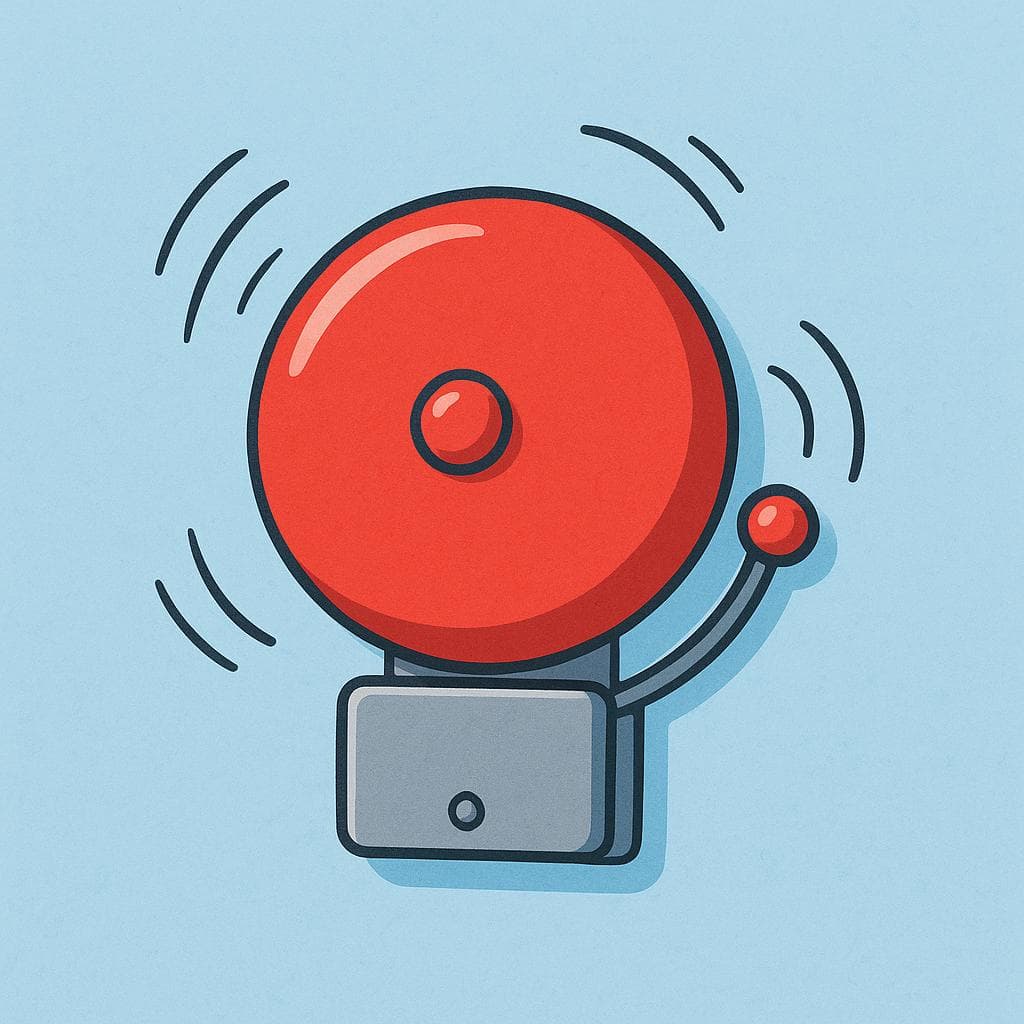
The most common Spanish word for “siren” is “alarma” — use 'alarma' when referring to a device that produces a loud warning sound, especially an alarm clock or a general alarm system.
alarma
ah-LAHR-mahaˈlaɾma
Examples
Puse la alarma para levantarme temprano.
I set the alarm (clock) to get up early.
Si la puerta se abre, la alarma de seguridad saltará.
If the door opens, the security alarm will go off.
Escuchamos la alarma de un coche robado en la calle.
We heard the alarm of a stolen car in the street.
Gender Check
Even though many nouns ending in -a are feminine, 'alarma' is definitely feminine (la alarma), which is easy to remember.
Using 'Reloj'
Mistake: “Using 'reloj de alarma' instead of just 'alarma' or 'despertador'.”
Correction: While 'reloj de alarma' is correct, people usually just say 'la alarma' or use 'el despertador' for the physical clock device.
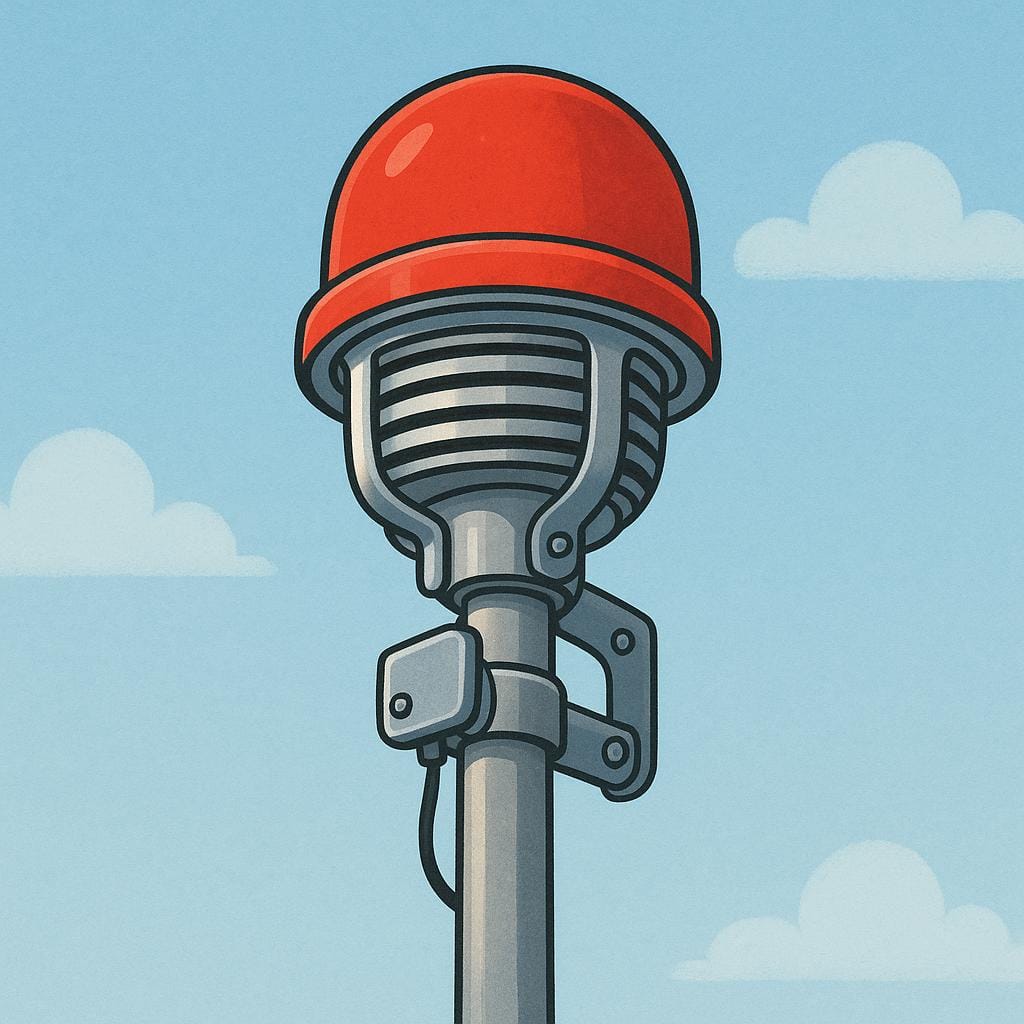
sirena
see-REH-nahsiˈɾe.na
Examples
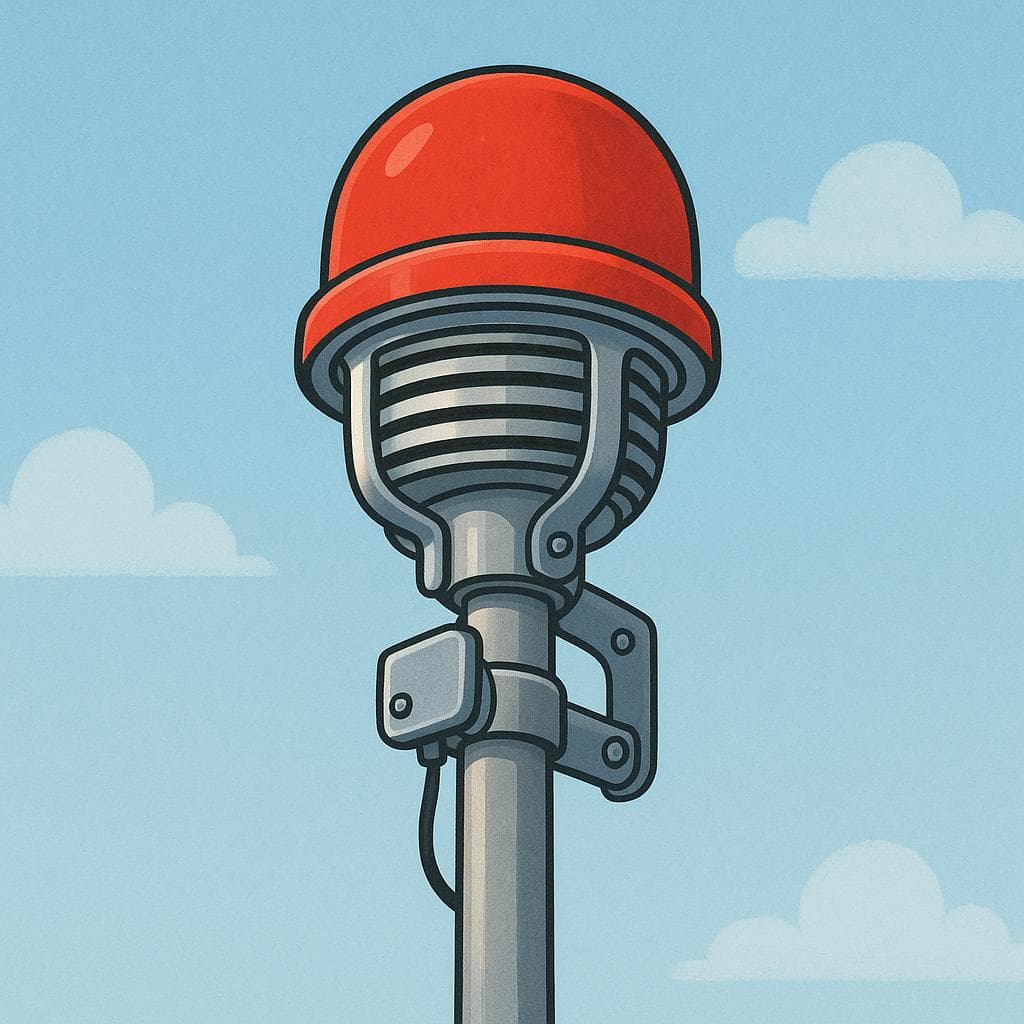
Oímos la sirena de la ambulancia a lo lejos.
We heard the ambulance siren in the distance.
La policía encendió la sirena para pedir paso en el tráfico.
The police turned on the siren to ask for way through the traffic.
La sirena tenía el cabello largo y una hermosa cola verde.
The mermaid had long hair and a beautiful green tail.
Según la leyenda, las sirenas cantaban para atraer a los barcos.
According to legend, the sirens sang to attract the ships.
Feminine Noun
Since 'sirena' ends in -a, it is feminine and always uses 'la' or 'una' before it.
Mythology Connection
In Spanish, the same word 'sirena' refers both to the half-fish creature (mermaid) and the dangerous Greek mythological figures (sirens) known for their captivating songs.
Confusing Sirena and Alarma
Mistake: “Using 'alarma' when specifically referring to the physical loud device on a vehicle.”
Correction: 'Alarma' is usually the general warning system (like a car or house alarm), while 'sirena' is the loud, wailing noise maker, especially on emergency vehicles.
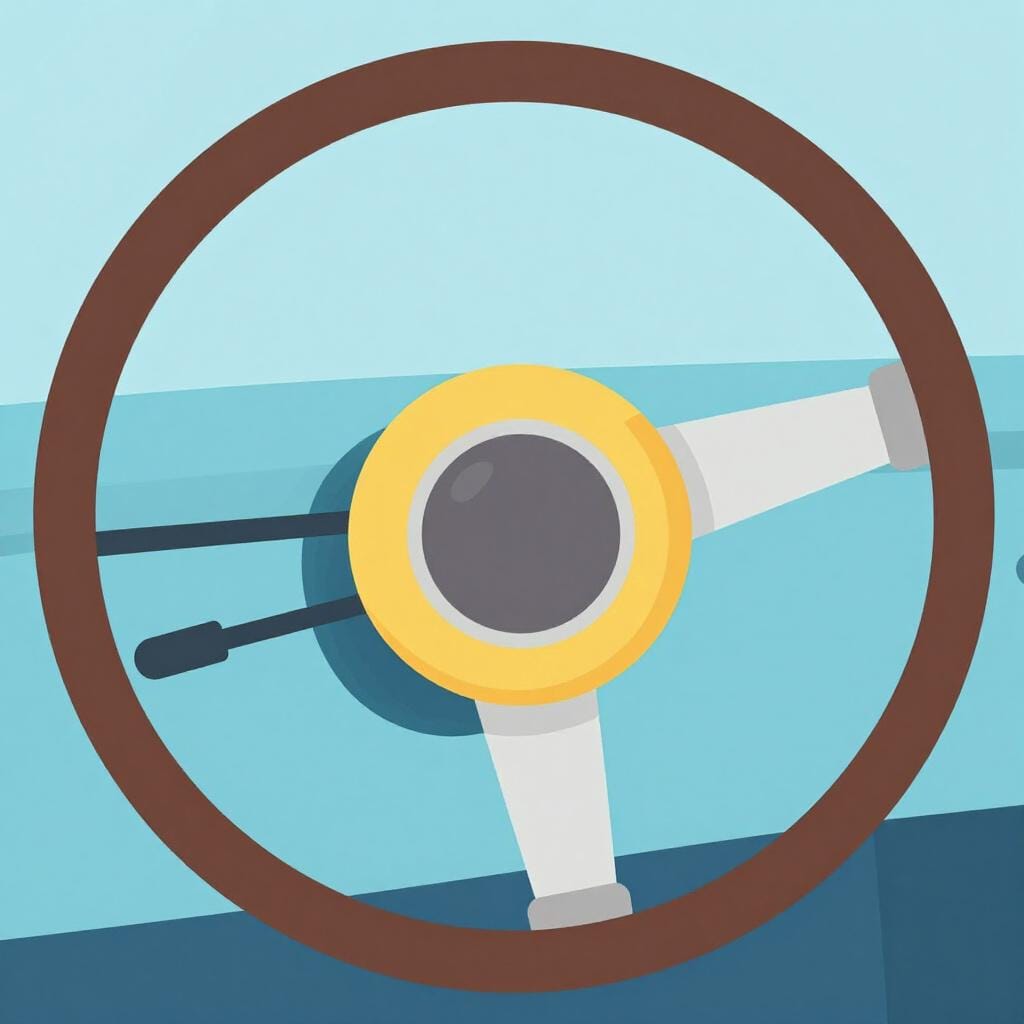
bocina
bo-SEE-nahboˈθina
Examples
El conductor tocó la bocina para evitar un accidente.
The driver honked the horn to avoid an accident.
No uses la bocina cerca de un hospital.
Don't use the horn near a hospital.
La bocina del barco se escuchaba a lo lejos.
The ship's horn could be heard in the distance.
Gender Check
Since this word ends in 'a', it is feminine. Always use 'la' or 'una' with it.
Horn vs. Animal Horn
Mistake: “El toro tiene bocinas grandes.”
Correction: El toro tiene cuernos grandes. Use 'cuerno' for animals and 'bocina' for mechanical sounds.
Confusing 'Sirena' with 'Alarma'
Related Translations
Learn Spanish with Inklingo
Interactive stories, personalized learning, and more.