How to Say "alarm" in Spanish
The most common Spanish word for “alarm” is “alarma” — use 'alarma' when referring to a device that makes a noise to warn or wake someone, or a general feeling of fear or worry.
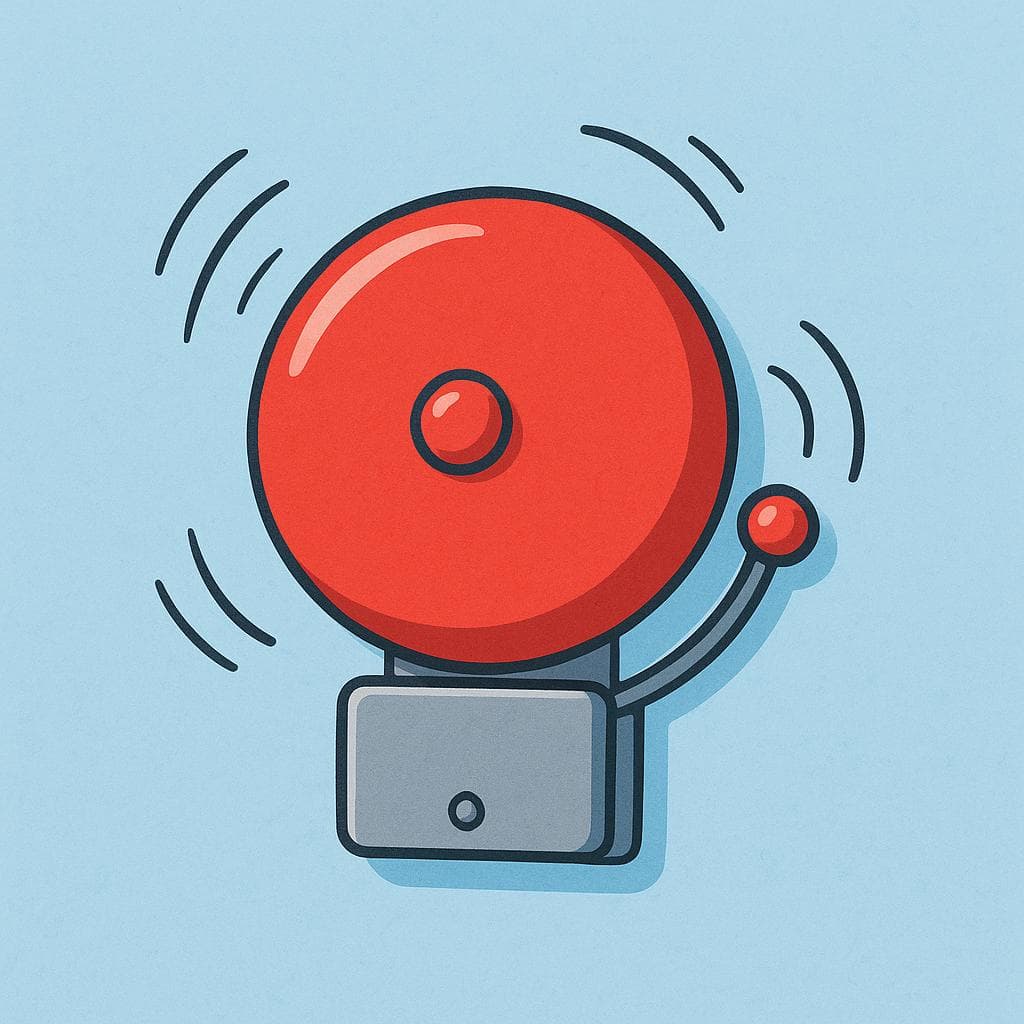
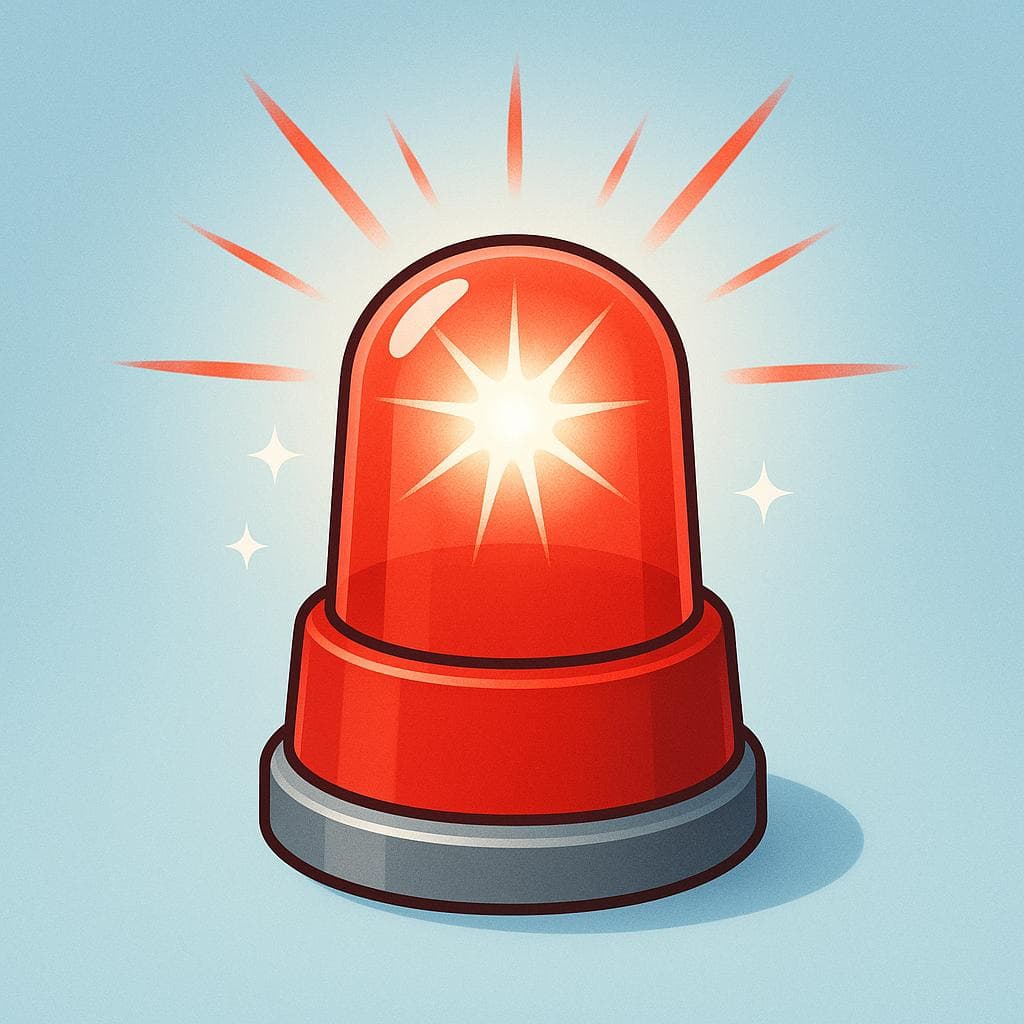
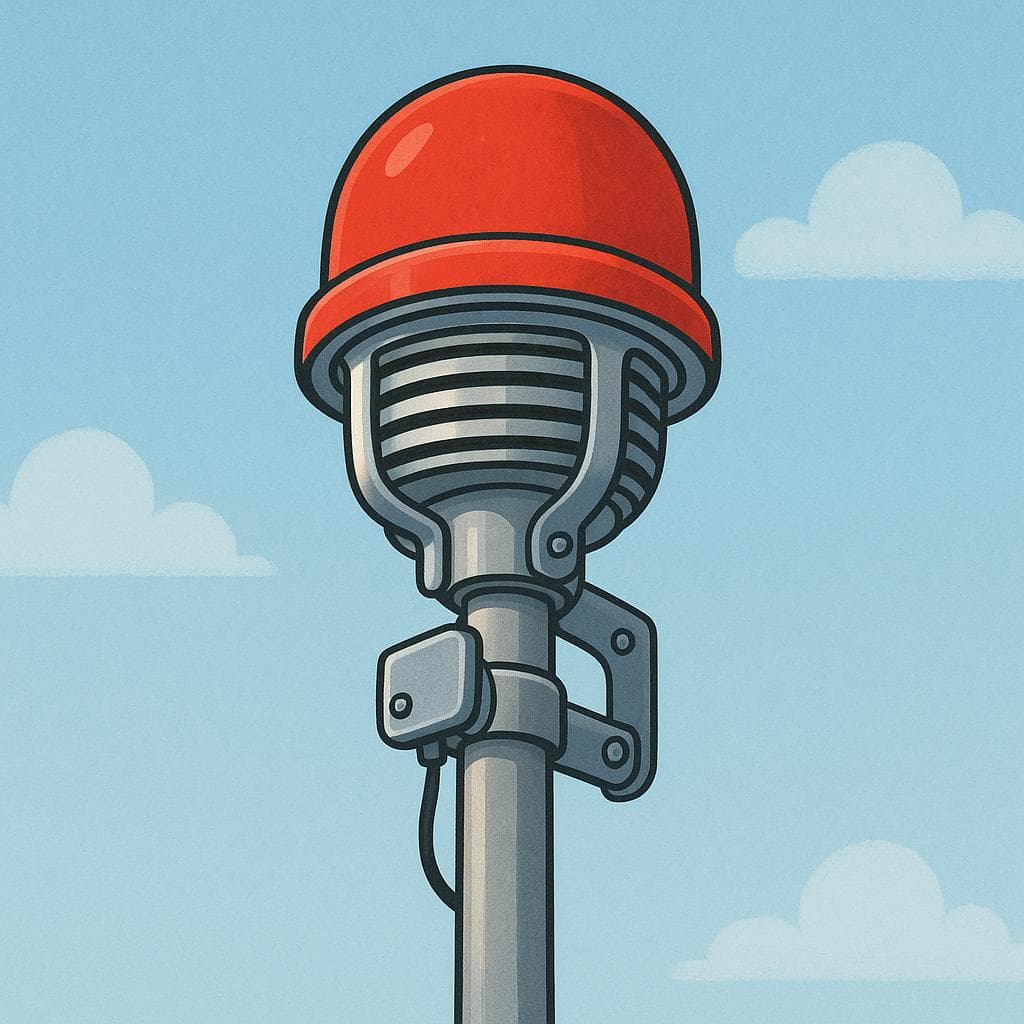
alarma
ah-LAHR-mahaˈlaɾma
Examples
Puse la alarma para levantarme temprano.
I set the alarm (clock) to get up early.
Si la puerta se abre, la alarma de seguridad saltará.
If the door opens, the security alarm will go off.
Escuchamos la alarma de un coche robado en la calle.
We heard the alarm of a stolen car in the street.
La caída de la bolsa causó una gran alarma social.
The stock market crash caused great social alarm (worry).
Gender Check
Even though many nouns ending in -a are feminine, 'alarma' is definitely feminine (la alarma), which is easy to remember.
Using 'Causar'
When talking about an event creating this feeling, use the verb 'causar' (to cause): 'El ruido causó alarma entre los vecinos'.
Using 'Reloj'
Mistake: “Using 'reloj de alarma' instead of just 'alarma' or 'despertador'.”
Correction: While 'reloj de alarma' is correct, people usually just say 'la alarma' or use 'el despertador' for the physical clock device.
alarma
ah-LAHR-mahaˈlaɾma
Examples
La caída de la bolsa causó una gran alarma social.
The stock market crash caused great social alarm (worry).
Puse la alarma para levantarme temprano.
I set the alarm (clock) to get up early.
Si la puerta se abre, la alarma de seguridad saltará.
If the door opens, the security alarm will go off.
Escuchamos la alarma de un coche robado en la calle.
We heard the alarm of a stolen car in the street.
Gender Check
Even though many nouns ending in -a are feminine, 'alarma' is definitely feminine (la alarma), which is easy to remember.
Using 'Causar'
When talking about an event creating this feeling, use the verb 'causar' (to cause): 'El ruido causó alarma entre los vecinos'.
Using 'Reloj'
Mistake: “Using 'reloj de alarma' instead of just 'alarma' or 'despertador'.”
Correction: While 'reloj de alarma' is correct, people usually just say 'la alarma' or use 'el despertador' for the physical clock device.
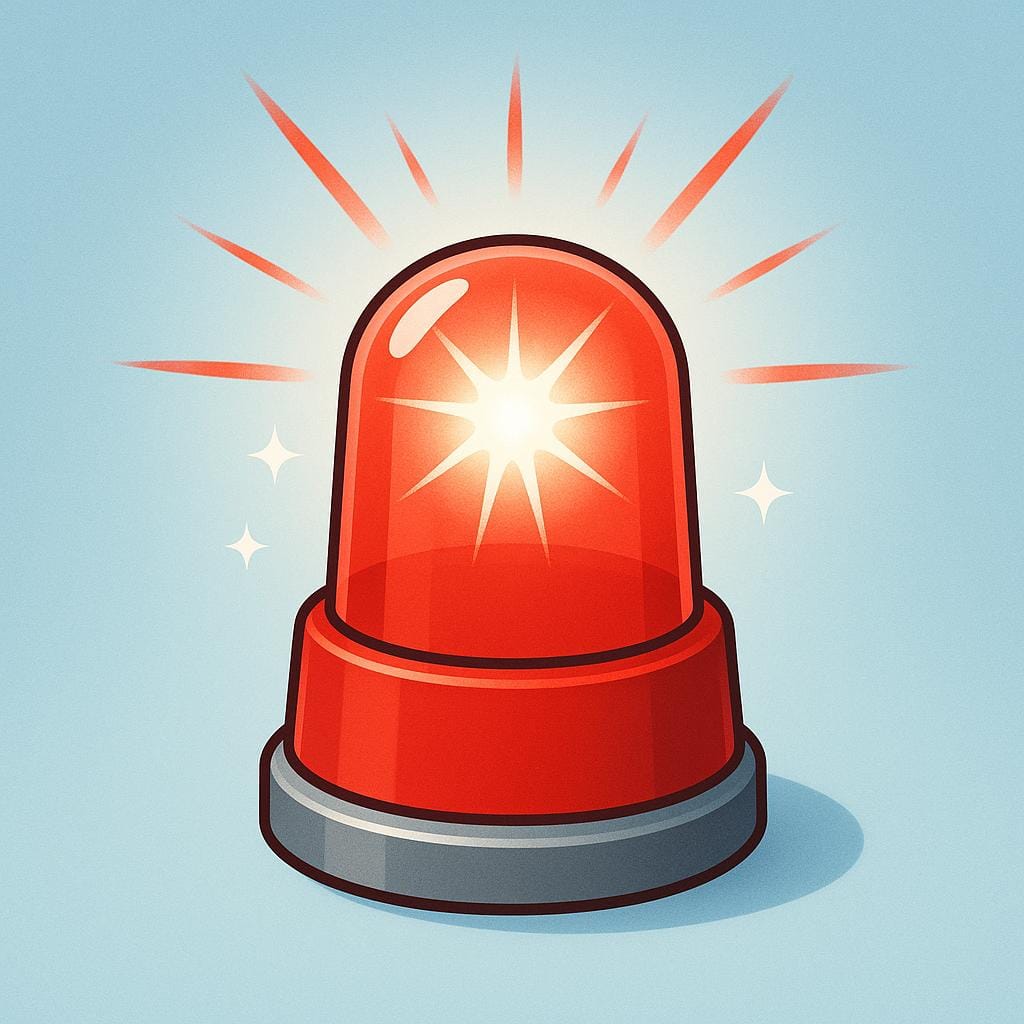
alerta
a-LER-taaˈleɾta
Examples
Han declarado una alerta roja por la tormenta.
They have declared a red alert because of the storm.
Recibimos una alerta en el teléfono sobre un incendio.
We received an alert on the phone about a fire.
La alerta de tsunami se canceló tres horas después.
The tsunami warning was canceled three hours later.
Gender Note
Remember that 'alerta' as a signal or warning is always feminine: 'la alerta'.
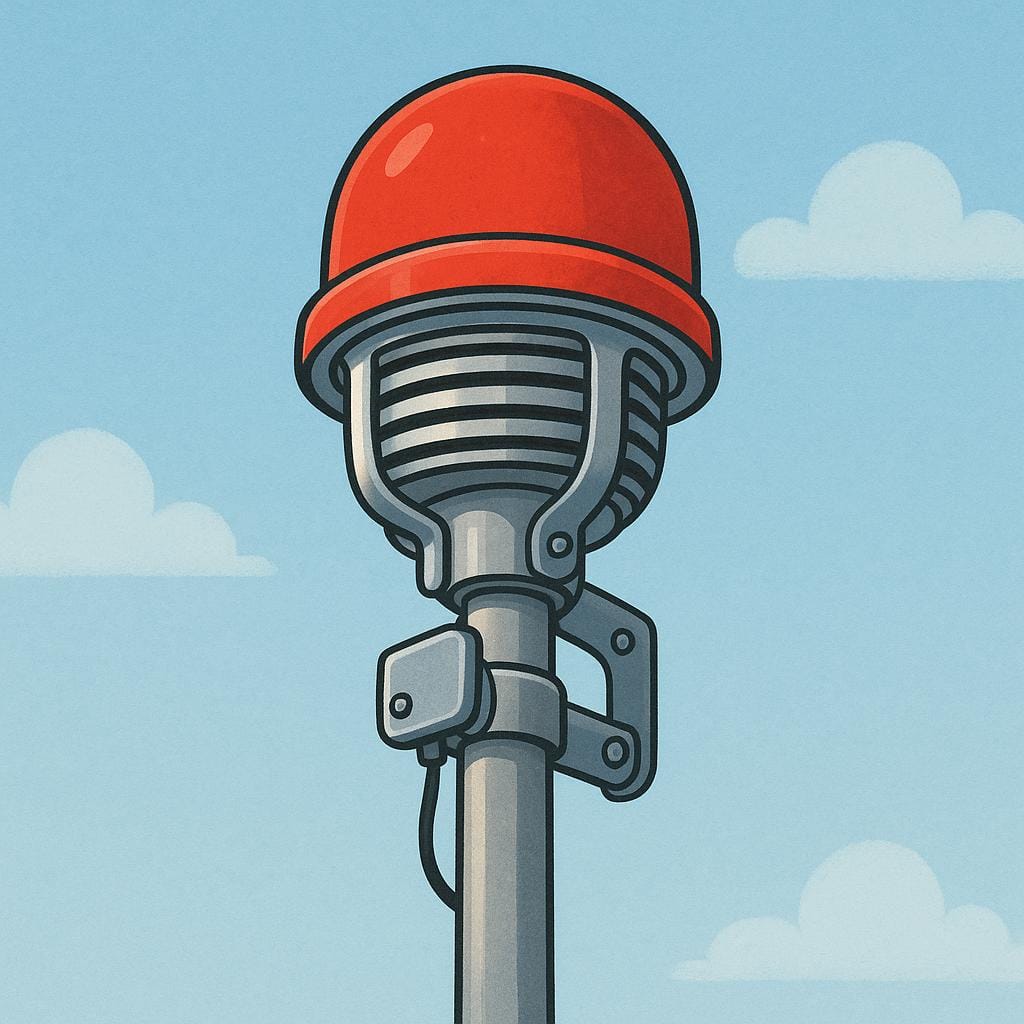
sirena
see-REH-nahsiˈɾe.na
Examples
Oímos la sirena de la ambulancia a lo lejos.
We heard the ambulance siren in the distance.
La policía encendió la sirena para pedir paso en el tráfico.
The police turned on the siren to ask for way through the traffic.
Feminine Noun
Since 'sirena' ends in -a, it is feminine and always uses 'la' or 'una' before it.
Confusing Sirena and Alarma
Mistake: “Using 'alarma' when specifically referring to the physical loud device on a vehicle.”
Correction: 'Alarma' is usually the general warning system (like a car or house alarm), while 'sirena' is the loud, wailing noise maker, especially on emergency vehicles.
Alarma vs. Alerta
Learn Spanish with Inklingo
Interactive stories, personalized learning, and more.