How to Say "speaker" in Spanish
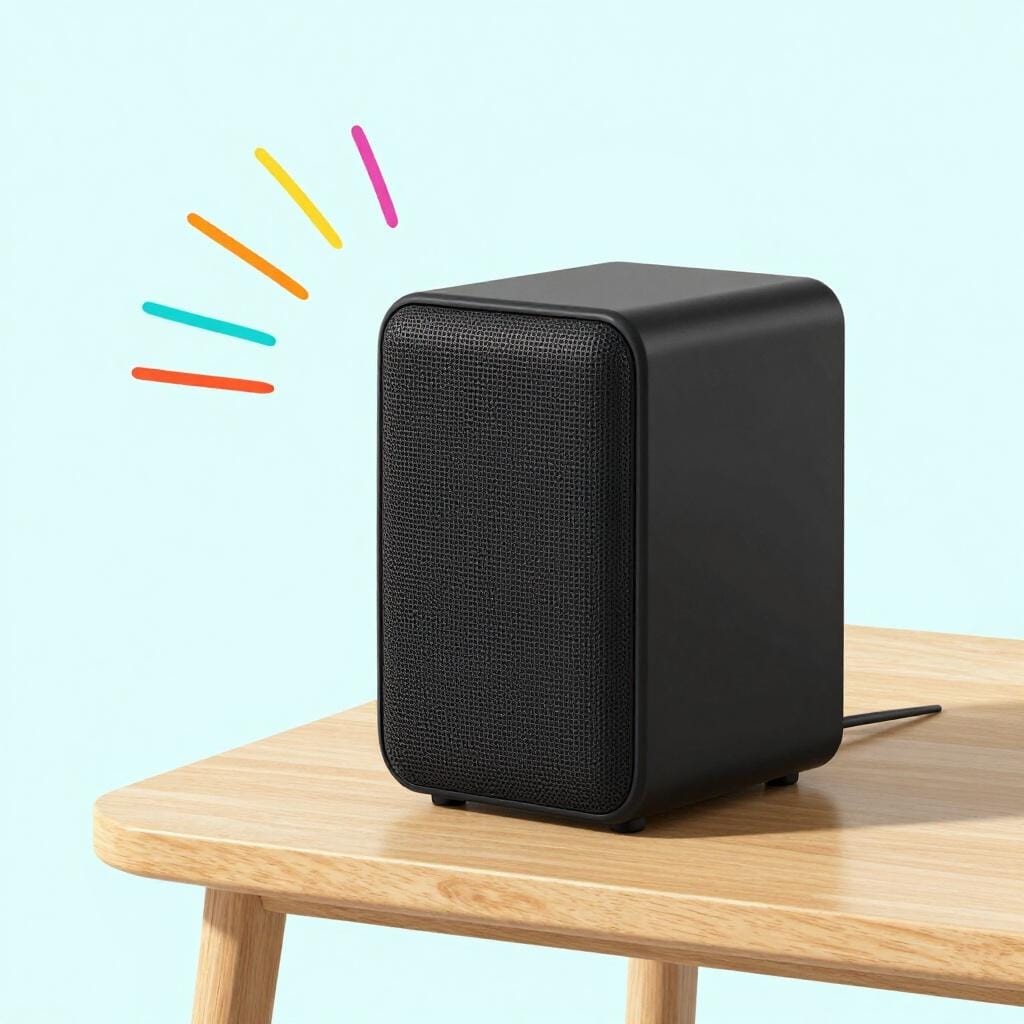
The most common Spanish word for “speaker” is “altavoz” — use 'altavoz' when referring to the electronic component of a device that produces sound, like on a phone, computer, or stereo system.
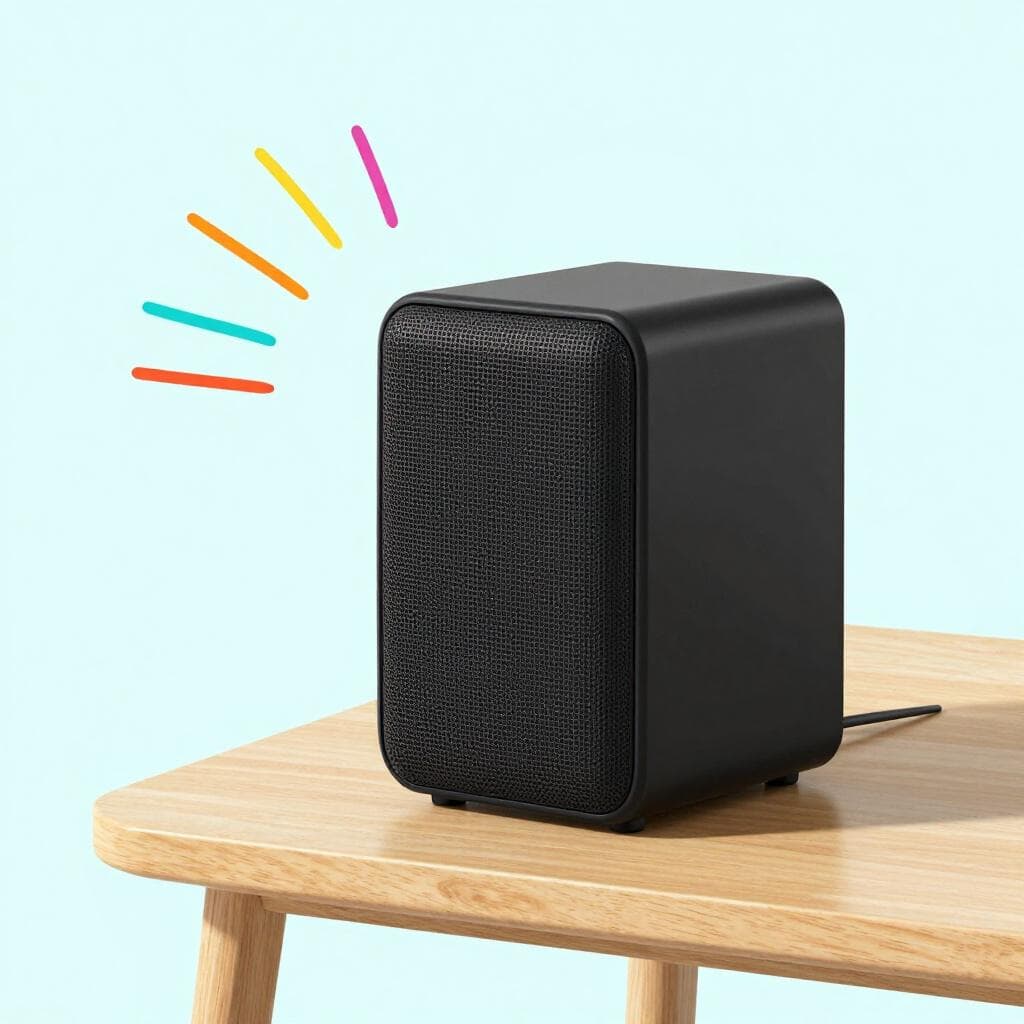
Use 'altavoz' when referring to the electronic component of a device that produces sound, like on a phone, computer, or stereo system.
Learn more →
Choose 'bocina' for a standalone electronic device designed to play audio, such as a portable Bluetooth speaker for music.
Learn more →
Use 'interlocutor' when 'speaker' refers to a person participating in a conversation or discussion.
Learn more →al-tah-bohsaltaˈβos
Examples
El altavoz de mi teléfono no funciona.
My phone's speaker doesn't work.
He comprado un altavoz inteligente para la cocina.
I bought a smart speaker for the kitchen.
No te escucho bien, por favor pon el móvil en altavoz.
I can't hear you well, please put the phone on speakerphone.
Making it plural
When you want to talk about more than one speaker, the 'z' at the end changes to a 'c' before adding 'es'. So, one is 'altavoz' and two are 'altavoces'.
Don't be fooled by 'voz'
In Spanish, 'la voz' (the voice) is feminine, but 'el altavoz' is always masculine, even though it has the word 'voz' inside it.
People vs. Machines
Mistake: “Calling a guest speaker at an event 'el altavoz'.”
Correction: Use 'el orador' or 'la oradora' for a person who speaks. 'Altavoz' is only for the electronic device.
bo-SEE-nahboˈθina
Examples
Compré una bocina Bluetooth para mis fiestas.
I bought a Bluetooth speaker for my parties.
La música suena muy bien en estas bocinas.
The music sounds very good on these speakers.
Se rompió la bocina derecha de mi computadora.
The right speaker of my computer broke.
Plural Form
To talk about more than one, simply add an 's' to make it 'bocinas'.
Spanglish Warning
Mistake: “Me gusta tu speaker.”
Correction: Me gusta tu bocina. While many people understand 'speaker,' using 'bocina' is much better Spanish.
een-ter-lo-koo-tohrinteɾlokuˈtoɾ

Examples
Mi interlocutor no parecía convencido por mis argumentos.
The person I was talking to didn't seem convinced by my arguments.
Es necesario buscar un interlocutor válido para resolver el conflicto.
It is necessary to find a valid representative to resolve the conflict.
Un buen interlocutor sabe escuchar antes de responder.
A good conversation partner knows how to listen before responding.
Describing Roles in Conversation
This word describes a role rather than a fixed identity. You become someone's 'interlocutor' the moment you start talking to them.
Gender Changes
While this entry focuses on the masculine form, if you are talking to a woman, you must change the ending to 'interlocutora'.
Interlocutor vs. Locutor
Mistake: “Using 'locutor' to mean a partner in a conversation.”
Correction: Use 'interlocutor' for your partner; 'locutor' is specifically for a radio or TV host.
Device vs. Person
The most common mistake is using 'altavoz' or 'bocina' (sound devices) when you mean a person speaking in a conversation. Remember that 'interlocutor' is the word for the person, while 'altavoz' and 'bocina' refer to sound-producing equipment.
Related Translations
Learn Spanish with Inklingo
Interactive stories, personalized learning, and more.