cuerno
“cuerno” means “horn” in Spanish. It has 3 different meanings depending on context:
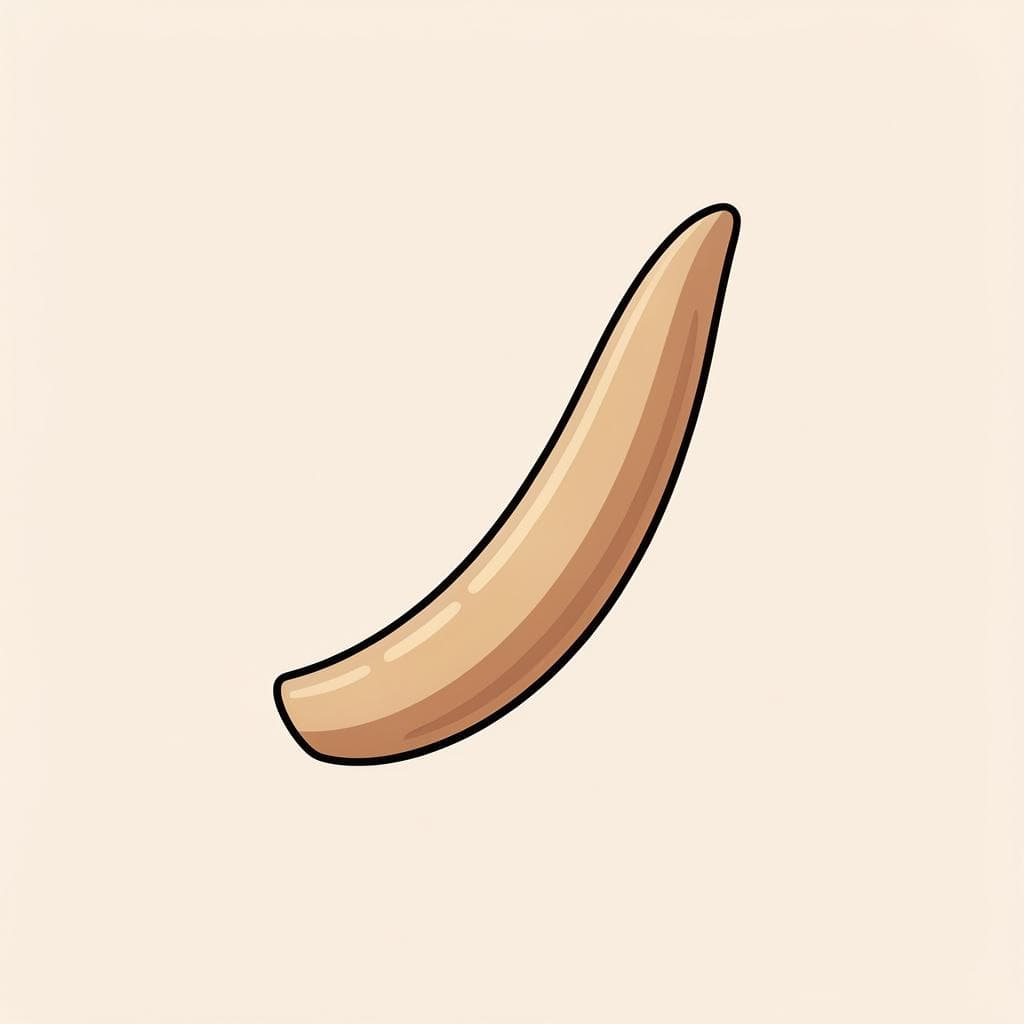


hornAlso: antler
📝 In Action
El rinoceronte tiene un cuerno muy largo.
A1The rhinoceros has a very long horn.
Este peine está hecho de cuerno de buey.
B1This comb is made of ox horn.
Word Connections
cheatingAlso: betrayal

📝 In Action
Ella le puso los cuernos con un compañero de trabajo.
B2She cheated on him with a coworker.
Word Connections
the heck / hellAlso: get lost

📝 In Action
¡Vete al cuerno!
B1Go to hell! / Get lost!
Mandé todo al cuerno y renuncié.
B2I threw it all away (to the dogs) and quit.
Word Connections
✏️ Quick Practice
Quick Quiz: cuerno
Question 1 of 2
If someone says 'Juan le puso los cuernos a María,' what happened?
📚 More Resources
👥 Word Family
📚 Etymology
From the Latin word 'cornu,' which also meant horn or antler.
First recorded: 10th century
Cognates (Related words)
💡 Master Spanish
Take your Spanish to the next level. Read 200+ illustrated and narrated Spanish stories tailored to your level with the Inklingo app!
Frequently Asked Questions
Is 'vete al cuerno' very offensive?
Not extremely. It's like saying 'go fly a kite' or 'get lost.' It's much milder than using profanity, but it still shows you are angry.
Why are 'horns' associated with cheating in Spanish?
This is an old tradition found in many Mediterranean cultures. There are many theories, but one suggests it comes from a medieval law where a cuckolded husband had to wear horns as a sign of his situation.