vaqueros
“vaqueros” means “jeans” in Spanish. It has 2 different meanings depending on context:

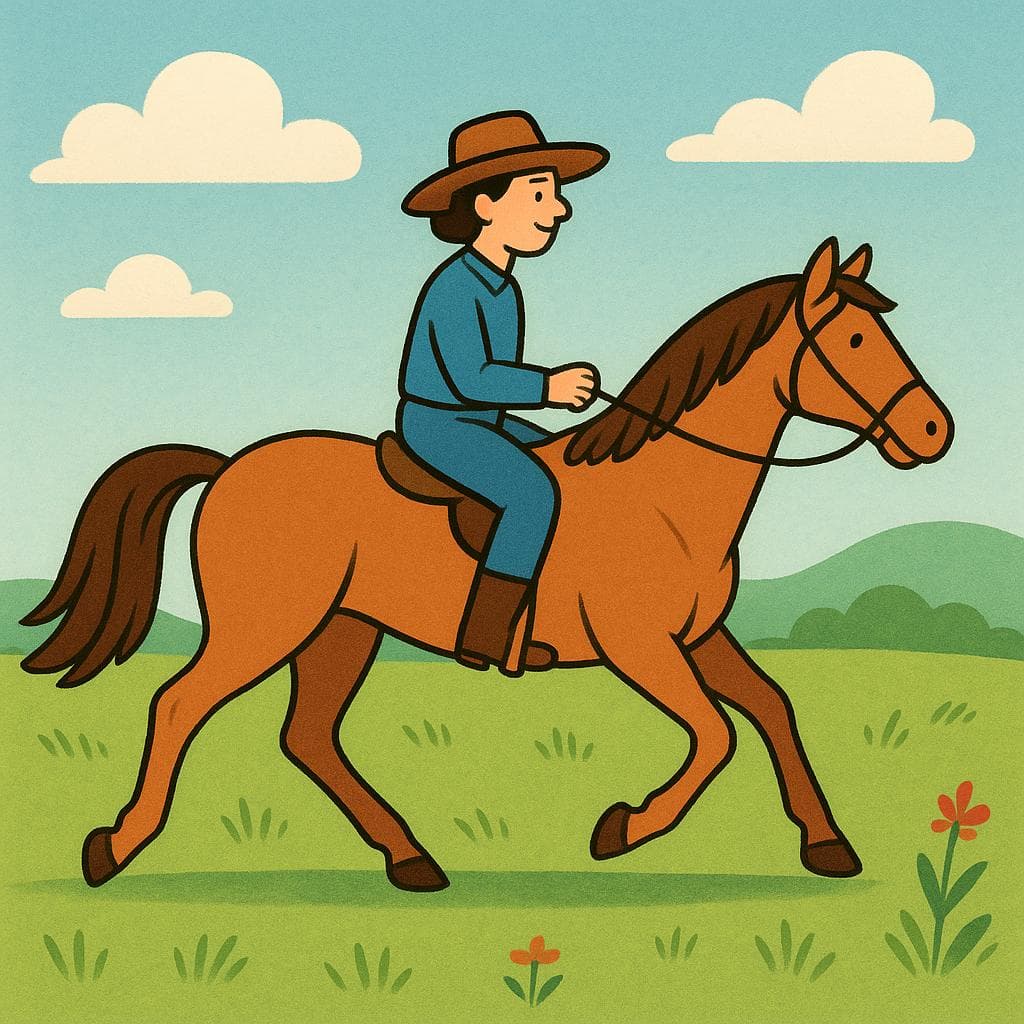
jeansAlso: denim pants

📝 In Action
Necesito lavar mis vaqueros; están muy sucios.
A1I need to wash my jeans; they are very dirty.
¿Dónde compraste esos vaqueros tan bonitos?
A2Where did you buy those beautiful jeans?
Word Connections
cowboysAlso: cattle drivers
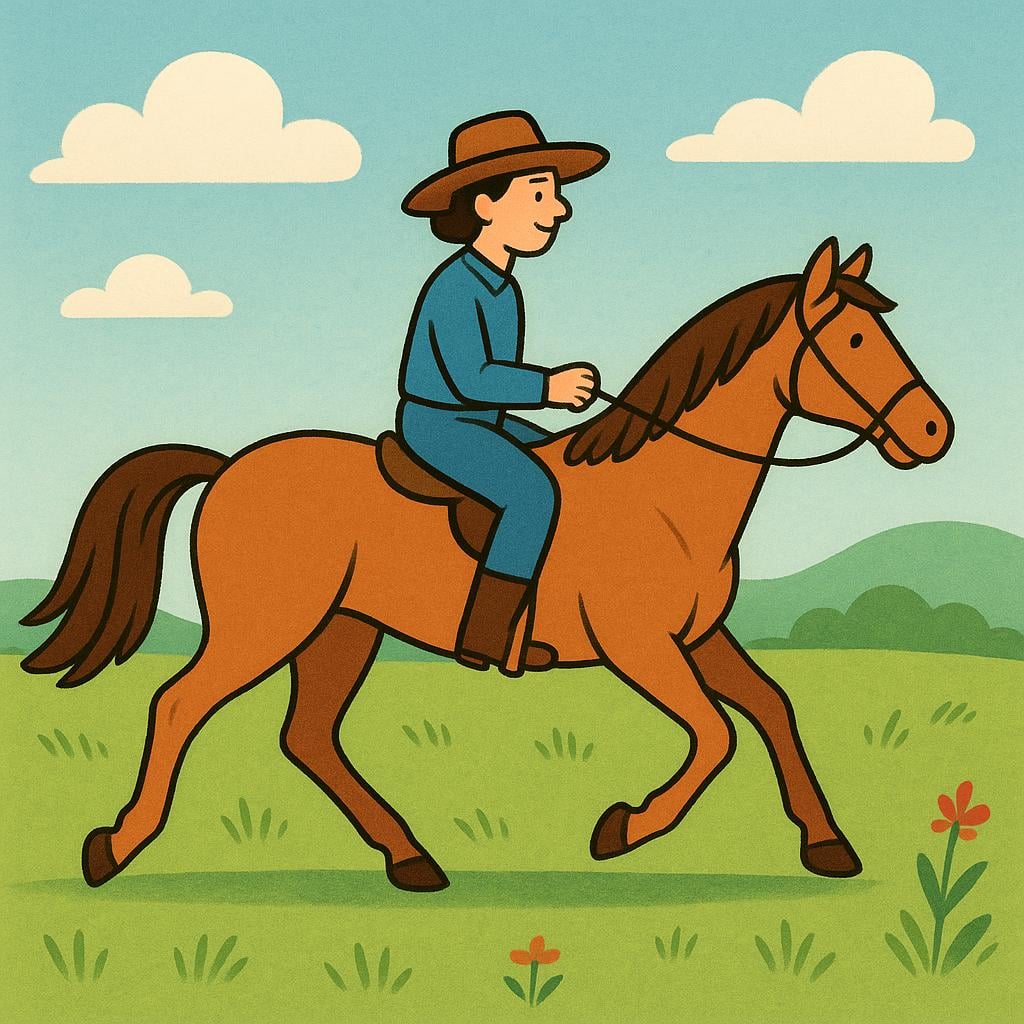
📝 In Action
Los vaqueros del rancho se levantaron antes del amanecer.
B1The cowboys on the ranch woke up before dawn.
Mi abuelo era uno de los últimos vaqueros de la región.
B2My grandfather was one of the last cowboys in the region.
Word Connections
Translate to Spanish
Words that translate to "vaqueros" in Spanish:
✏️ Quick Practice
Quick Quiz: vaqueros
Question 1 of 2
Which sentence uses 'vaqueros' to refer to clothing?
📚 More Resources
👥 Word Family
🎵 Rhymes
📚 Etymology
The word is rooted in the Spanish word for 'cow,' *vaca*. The suffix *-ero* means 'a person who deals with' or 'a thing related to.' So, a *vaquero* was originally a person who handled cattle (a cowboy). The clothing item *vaqueros* (jeans) got its name because it was the durable, rugged clothing worn by these cattle handlers.
First recorded: Medieval period (as *vaquero* for the person)
Cognates (Related words)
💡 Master Spanish
Take your Spanish to the next level. Read 200+ illustrated and narrated Spanish stories tailored to your level with the Inklingo app!
Frequently Asked Questions
Is 'vaqueros' the only word for 'jeans'?
No. While it is the most common word in Spain, in many Spanish-speaking countries, you will frequently hear 'jeans' (pronounced like the English word) or 'pantalones de mezclilla'.
Is 'vaqueros' related to the English word 'cowboy'?
Yes! The English term 'buckaroo' is thought to be a phonetic adaptation of the Spanish word 'vaquero.' The concept of the ranch hand originated in Spanish culture.