veas
“veas” means “(that) you see” in Spanish (used when expressing desire, emotion, or doubt).
(that) you see, (that) you watch
Also: (that) you look at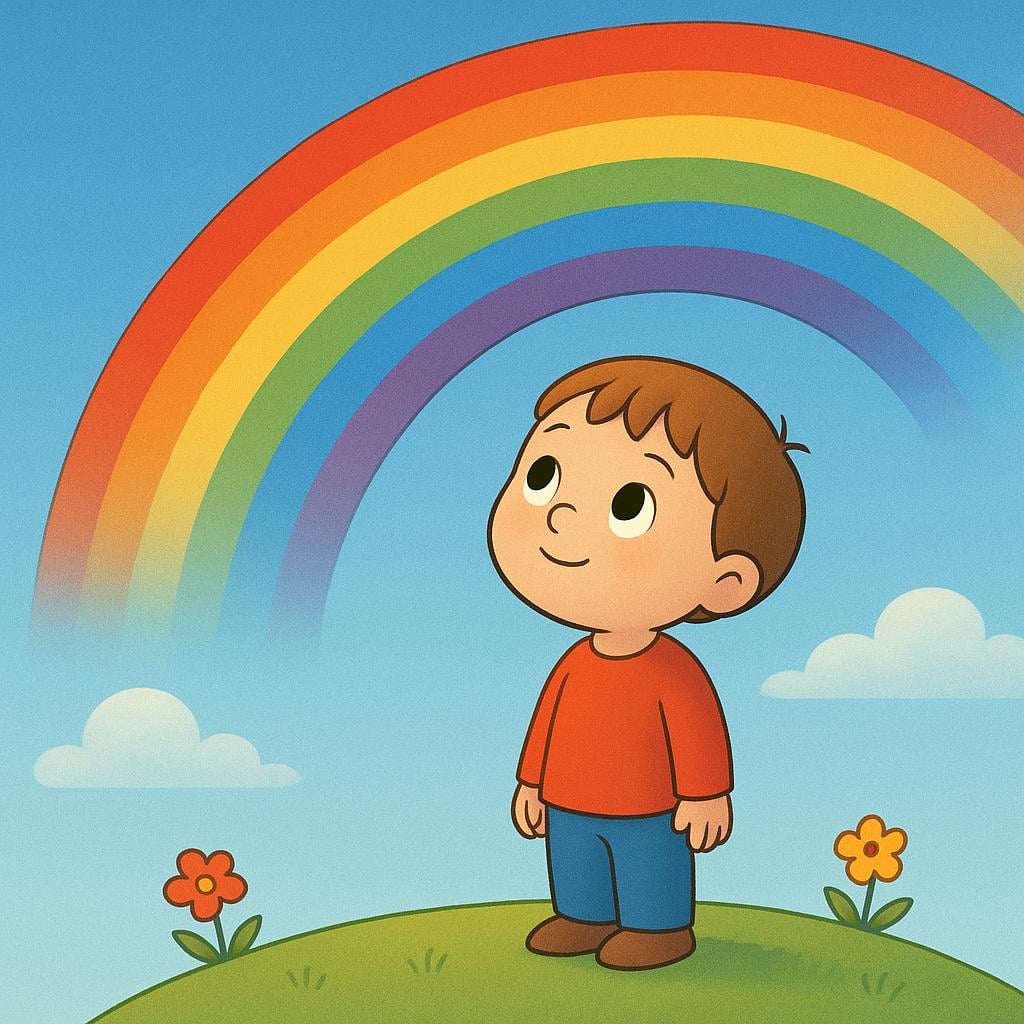
📝 In Action
Quiero que veas lo hermoso que es este lugar.
B1I want you to see how beautiful this place is.
No creo que veas la diferencia todavía.
B2I don't think you see the difference yet.
Te lo digo para que veas la verdad.
B1I'm telling you this so that you can see the truth.
Indicative
Present
Imperfect
Preterite
Subjunctive
Present Subjunctive
Imperfect Subjunctive
✏️ Quick Practice
Quick Quiz: veas
Question 1 of 1
Which sentence correctly uses 'veas'?
📚 More Resources
📚 Etymology▼
Comes from the Latin verb *vidēre*, meaning 'to see.' The Spanish word kept the core meaning but evolved the pronunciation dramatically over time.
First recorded: Old Spanish (as *veer*)
Cognates (Related words)
💡 Master Spanish
Take your Spanish to the next level. Read 200+ illustrated and narrated Spanish stories tailored to your level with the Inklingo app!
Frequently Asked Questions
Why is 'veas' used instead of 'ves'?
'Ves' is the simple present form, used for facts or things you are certain about ('Tú ves la mesa' - You see the table). 'Veas' is the special form (subjunctive), used when talking about wishes, emotions, commands, or uncertainty about that action. For example, 'I hope you see' requires 'Espero que veas'.