vibración
“vibración” means “vibration” in Spanish. It has 2 different meanings depending on context:
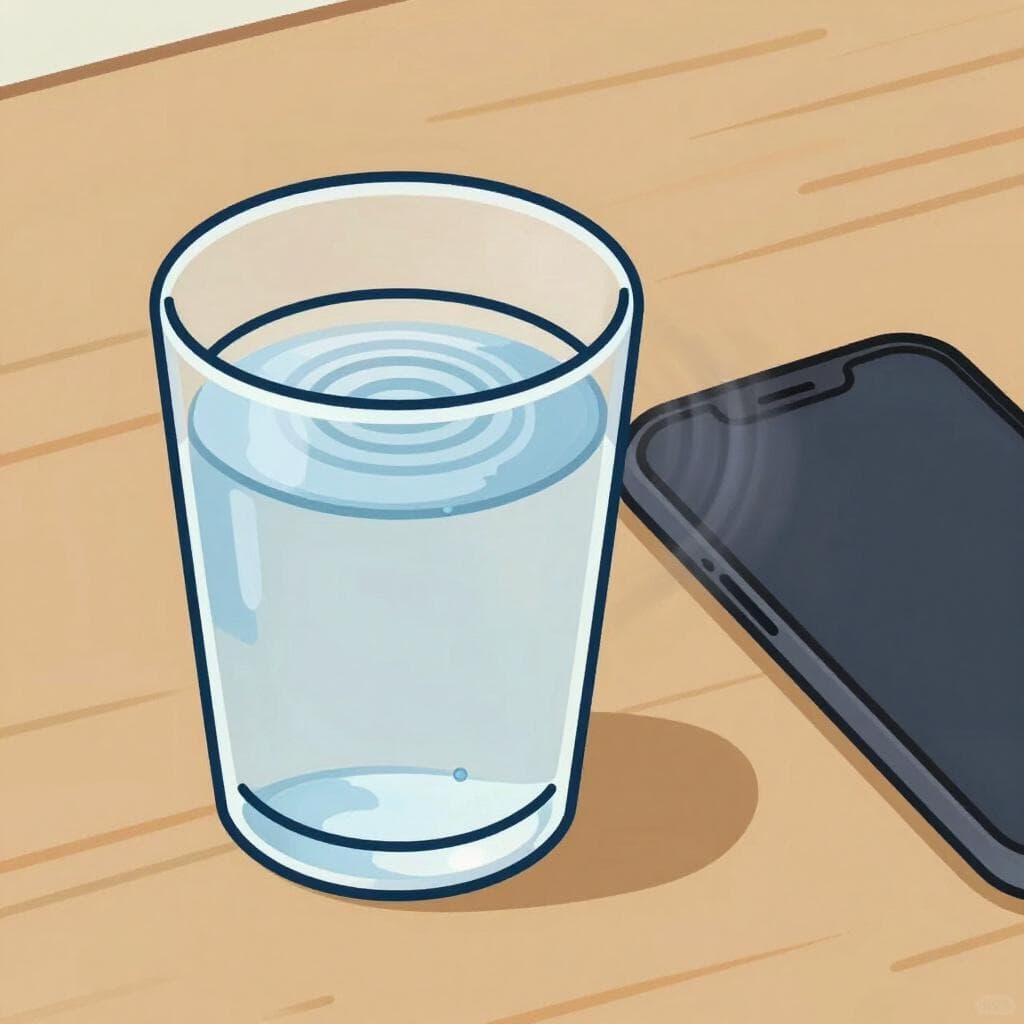

vibration
Also: shaking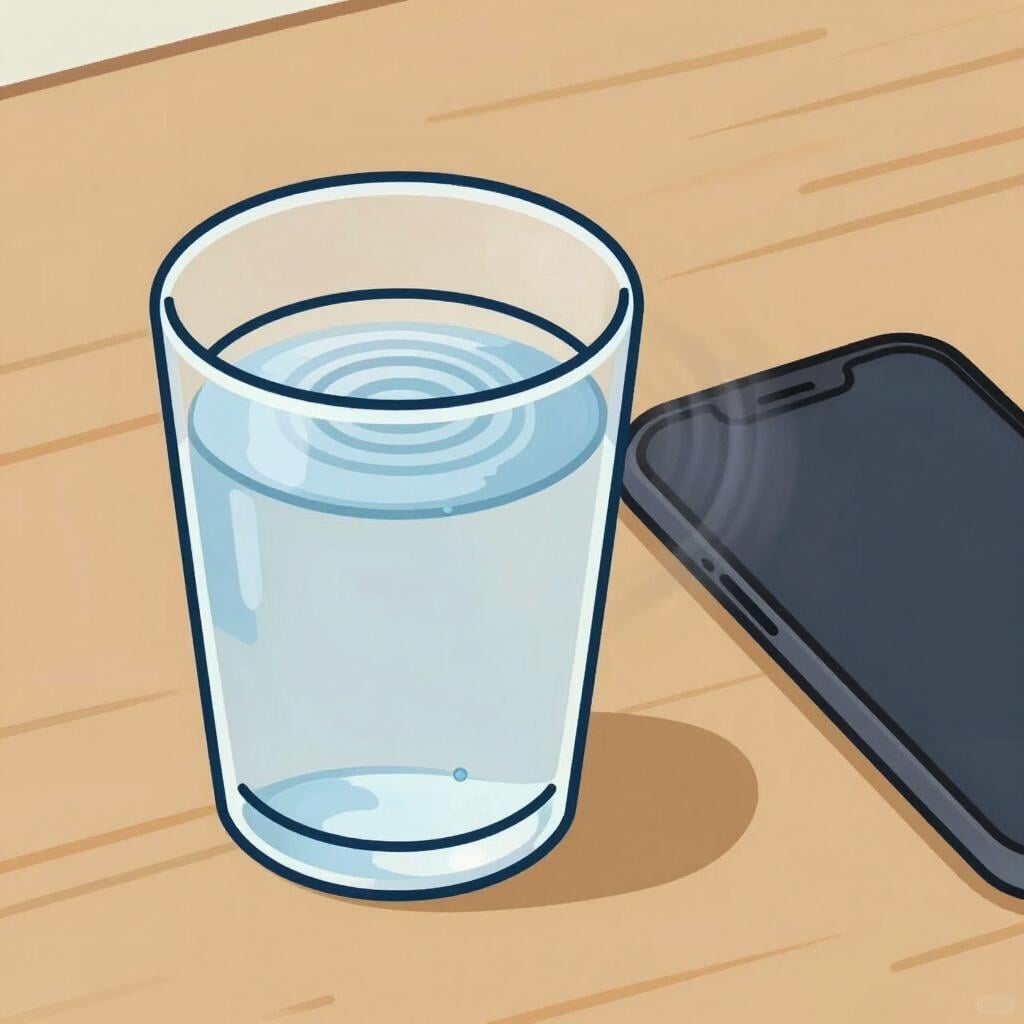
📝 In Action
La vibración del teléfono me despertó.
A2The vibration of the phone woke me up.
Siento una vibración extraña en el motor del coche.
B1I feel a strange vibration in the car engine.
Las cuerdas vocales producen sonido mediante la vibración.
B2Vocal cords produce sound through vibration.
vibe
Also: feeling
📝 In Action
Este café tiene una vibración muy relajante.
B1This café has a very relaxing vibe.
No me gusta la vibración de ese lugar.
B1I don't like the vibe of that place.
Transmitías una vibración muy positiva hoy.
B2You were giving off a very positive vibe today.
✏️ Quick Practice
Quick Quiz: vibración
Question 1 of 3
Which of these is the correct way to say 'the vibrations'?
📚 More Resources
👥 Word Family▼
🎵 Rhymes▼
📚 Etymology▼
From the Latin word 'vibratio', which comes from the verb 'vibrare', meaning to move quickly back and forth or to shake.
First recorded: 15th century
Cognates (Related words)
💡 Master Spanish
Take your Spanish to the next level. Read 200+ illustrated and narrated Spanish stories tailored to your level with the Inklingo app!
Frequently Asked Questions
Is 'vibración' masculine or feminine?
It is feminine. You should always use 'la' or 'una'.
When do I use 'vibra' instead of 'vibración'?
'Vibra' (or 'vibras' in plural) is used for 'vibes' or 'energy' in informal settings. 'Vibración' is more formal or refers to physical shaking.
Does the plural 'vibraciones' have an accent mark?
No. In Spanish, when a word ending in '-ción' becomes plural, the accent on the 'o' is removed.