Inklingo

viejas

/vee-EHH-hahs/

old

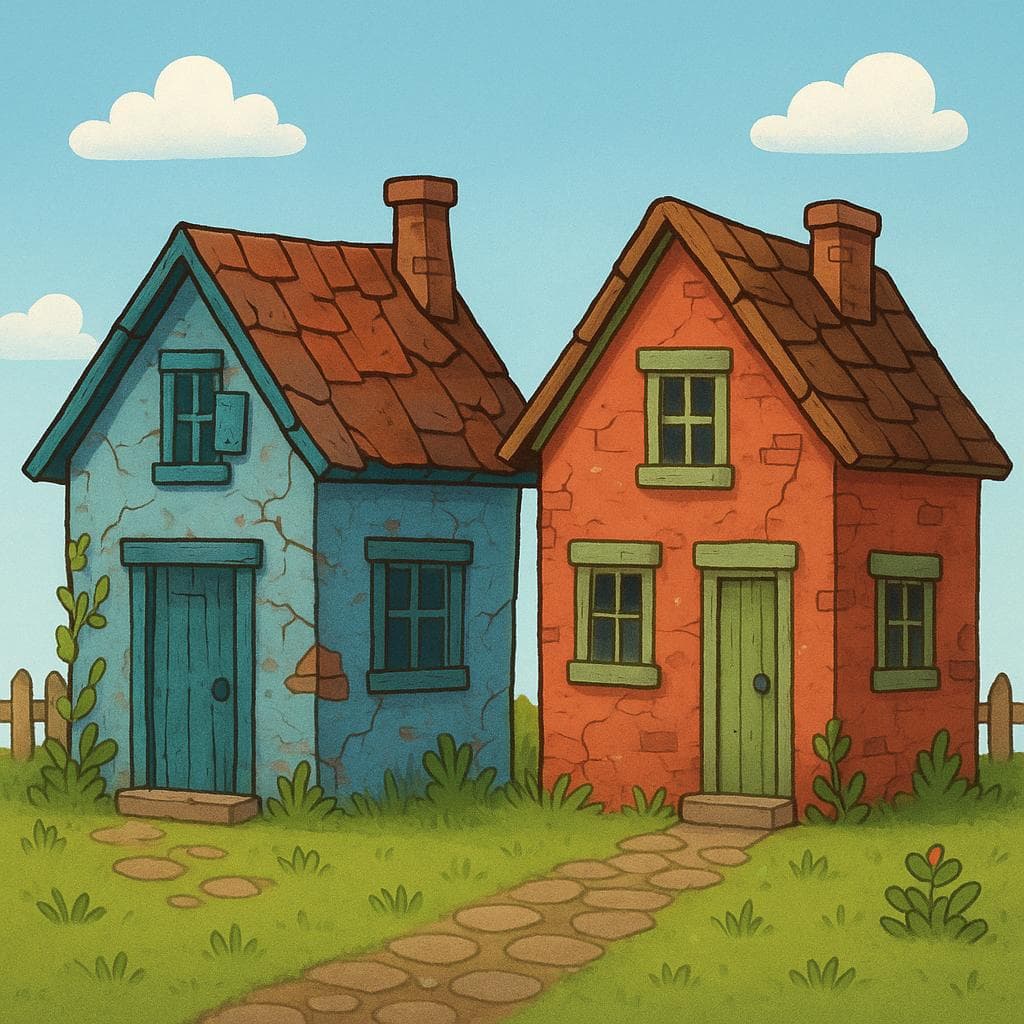
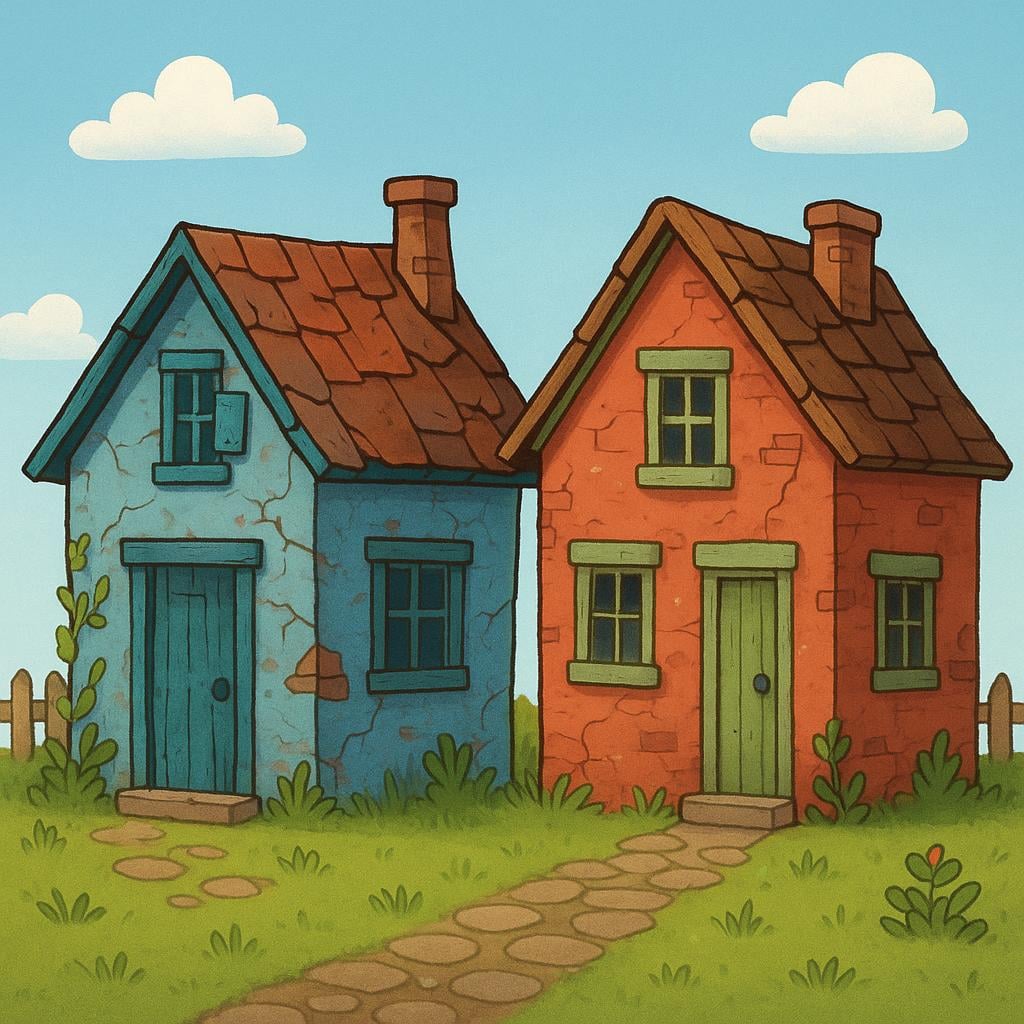
A colorful illustration showing two simple, worn-down, slightly dilapidated houses, indicating they are old.

This image illustrates 'viejas' as an adjective meaning 'old,' describing feminine plural nouns like houses.

viejas(Adjective)

fA1

old

?

describing female people or feminine plural nouns (e.g., houses, cars, traditions)

,

aged

?

describing wine, cheese, or other products

Also:

former

?

referring to previous habits or things that are no longer current

📝 In Action

Las tradiciones viejas son las más bonitas.

A1

The old traditions are the prettiest ones.

Compramos unas sillas viejas para restaurarlas.

A2

We bought some old chairs to restore them.

Esas ideas son muy viejas; necesitamos algo nuevo.

B1

Those ideas are very old; we need something new.

Word Connections

Synonyms

  • antiguas (ancient, old)
  • ancianas (elderly)

Antonyms

Common Collocations

  • casas viejasold houses

💡 Grammar Points

Matching the Adjective

Since 'viejas' describes things, it must match the thing in number (plural) and gender (feminine). It pairs with feminine plural nouns like 'puertas' (doors) or 'amigas' (friends).

❌ Common Pitfalls

Using the wrong ending

Mistake: "Las casas viejos (masculine ending)."

Correction: Las casas viejas (feminine ending). Remember the ending must match the noun exactly.

⭐ Usage Tips

Placement Matters

Usually, 'viejas' comes after the noun (tradiciones viejas). Placing it before the noun (viejas tradiciones) often emphasizes the age or familiarity, sometimes meaning 'long-standing' or 'former'.

A colorful storybook illustration showing two smiling elderly women sitting together on a wooden park bench.

Here, 'viejas' is used as a noun meaning 'old women,' referring to women of advanced age.

viejas(Noun)

fA2

old women

?

referring to women of advanced age

,

elderly women

?

a more formal synonym

📝 In Action

Las viejas del pueblo se juntan a jugar a las cartas.

A2

The old women in the town gather to play cards.

Hay que respetar a las viejas.

B1

One must respect the elderly women.

Word Connections

Synonyms

  • ancianas (elderly women)
  • abuelas (grandmothers)

💡 Grammar Points

Using it as a Noun

When 'vieja' is used as a noun (meaning 'old woman'), it almost always needs an article before it (like 'las' or 'unas').

⭐ Usage Tips

A Note on Respect

While technically neutral, using 'las viejas' can sometimes sound blunt or slightly disrespectful. For maximum politeness, use 'las señoras mayores' (the older ladies) or 'las ancianas'.

A colorful illustration of three young female friends sitting around a small table, laughing and enjoying a snack together.

In familiar usage, 'viejas' can mean 'girls' or 'female friends.'

viejas(Noun)

fB2

girls

?

referring to one's female friends or group (familiar)

,

pals

?

informal term for close friends

Also:

wife/partner

?

in the singular ('mi vieja') but sometimes used generally for a group of wives/partners.

📝 In Action

Voy a salir con mis viejas esta noche.

B2

I'm going out with my girls/pals tonight.

¿Dónde están las viejas? Llevan horas de retraso.

C1

Where are the girls? They are hours late.

Word Connections

Synonyms

  • chicas (girls)
  • amigas (friends)

💡 Grammar Points

Possessive Use

This slang meaning is almost always used with a possessive word, like 'mis' (my) or 'tus' (your), to show close connection: 'mis viejas'.

⭐ Usage Tips

Know Your Audience

This usage is highly regional and informal. Only use it with close friends who you know use this term, or you might unintentionally offend someone by sounding disrespectful or too familiar.

✏️ Quick Practice

💡 Quick Quiz: viejas

Question 1 of 2

Which sentence uses 'viejas' in its slang context (meaning friends)?

Frequently Asked Questions

Is 'viejas' always disrespectful when referring to women?

No, it depends entirely on the context and region. As a descriptive noun ('las viejas'), it is neutral but can sound blunt; it’s safer to use 'mujeres mayores.' However, in many parts of Latin America, 'mis viejas' is an affectionate and common slang term for 'my friends/pals' and is not disrespectful at all.

If I am describing a group of old men and women, should I still use 'viejas'?

No. When you have a mixed group (masculine and feminine), Spanish defaults to the masculine plural form: 'viejos.' You would say 'los viejos' to refer to a mixed group of old people.