Tirar la casa por la ventana
tee-RAR la KAH-sah por la ben-TAH-nah
🎨 Literal vs. Figurative
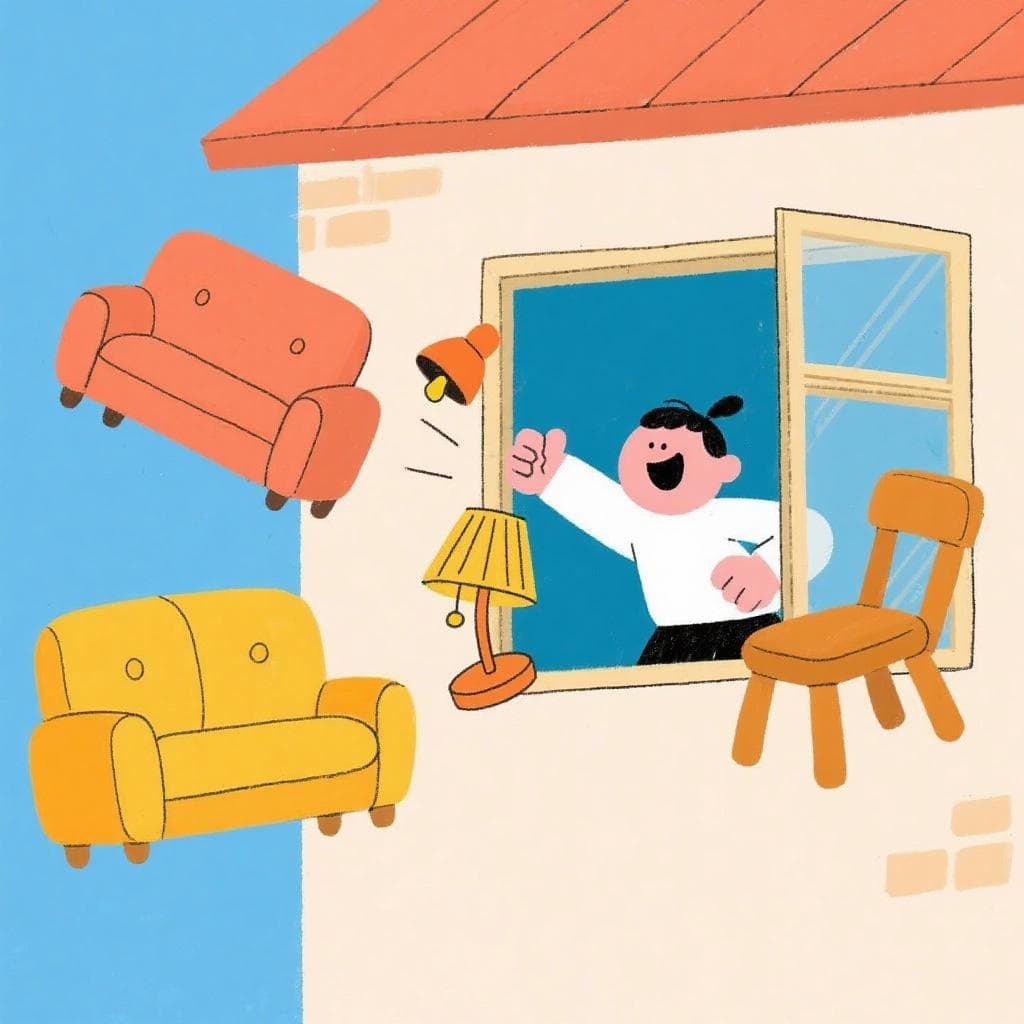
Literally, this means 'to throw the house out the window'.
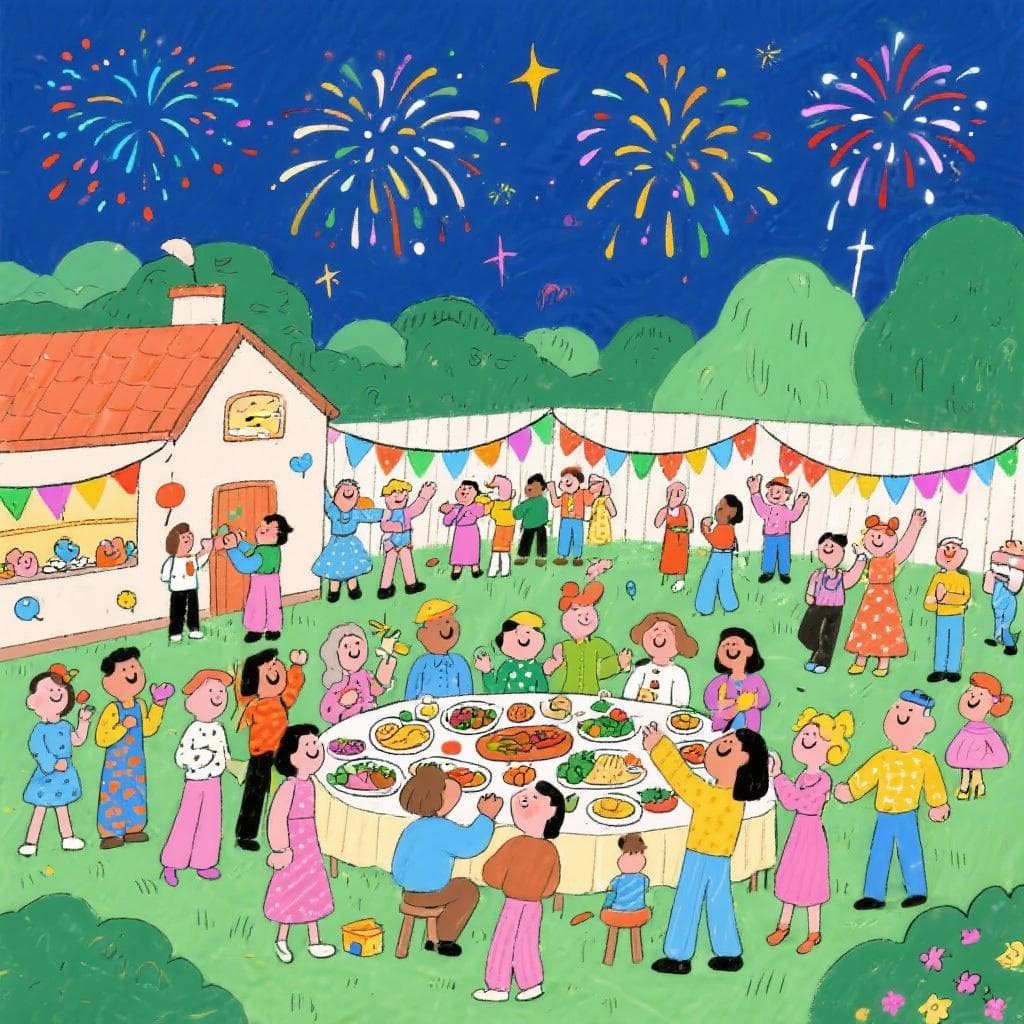
In practice, it means to spend a lot of money to celebrate something in a big way.
Key Words in This Idiom:



📝 In Action
Para su boda, tiraron la casa por la ventana y celebraron en un castillo.
B2For their wedding, they spared no expense and celebrated in a castle.
Mi vecino ganó la lotería y tiró la casa por la ventana comprándose un coche deportivo.
B2My neighbor won the lottery and went all out, buying himself a sports car.
¡Vaya fiesta de cumpleaños! De verdad que has tirado la casa por la ventana.
B1Wow, what a birthday party! You've really pushed the boat out.
📜 Origin Story
This phrase has a fascinating origin from 19th-century Spain. When someone won a big prize in the national lottery, it was a custom to show off their new wealth by getting rid of all their old, modest belongings. To make a big statement, they would literally throw their old furniture and household items out the window, signaling to everyone that they were starting a new, richer life and would buy everything new.
⭐ Usage Tips
For Big, One-Time Events
Use this idiom for special occasions that involve significant spending, like weddings, milestone birthdays, extravagant vacations, or celebrating a huge success. It's not for regular, everyday expenses, no matter how high they are.
It's Usually Impressed, Not Critical
When you say someone 'tiró la casa por la ventana', you're usually expressing amazement or admiration at their generosity or ability to spend, not criticizing them for being wasteful.
❌ Common Pitfalls
Don't Use It for Small Splurges
Mistake: “Saying 'Compré un café caro, tiré la casa por la ventana.' (I bought an expensive coffee, I threw the house out the window.)”
Correction: This expression is reserved for truly significant expenses. Using it for small treats sounds ironic or sarcastic. For a small splurge, you might say 'Me di un capricho' (I gave myself a treat).
📚 Related Grammar
Want to understand the grammar behind this idiom? Explore these lessons for a deep dive:
Por vs. Para
The idiom is built around the preposition 'por' in 'por la ventana'. This shows 'por' being used literally to mean 'through' or 'by means of' a place.
The Present Perfect Tense
The third example, 'has tirado la casa por la ventana,' uses the Present Perfect tense (has + past participle) to talk about a recent action that still affects the present moment (the amazing party).
🌎 Where It''s Used
Spain
Extremely common and deeply embedded in the culture, partly due to the massive national Christmas lottery ('El Gordo').
Latin America
Widely understood and used in most countries, from Mexico to Argentina. It's a standard part of the Spanish language.
✏️ Quick Practice
Quick Quiz: Tirar la casa por la ventana
Question 1 of 1
If your friend says 'Para mi graduación, mis padres tiraron la casa por la ventana', what does it mean?
🗣️ Practice Pronunciation
Want to sound more natural when using this idiom? Practice your Spanish pronunciation with our collection of tongue twisters.
Browse Spanish Tongue Twisters →🏷️ Tags
Hear idioms come alive
Idioms make sense in context. Read 200+ illustrated and narrated Spanish stories to see idioms used naturally by characters — and build the ear native speakers have.
Frequently Asked Questions
Is 'tirar la casa por la ventana' a negative or positive expression?
It's almost always used in a positive or neutral way to express admiration or surprise at the scale of spending for a celebration. It's not typically used to criticize someone for being wasteful, although the context could imply that in a rare case.
Can I use this for a business context?
Yes, you can. For example, if a company spends a lot on a product launch event or a holiday party for its employees, you could say 'La empresa tiró la casa por la ventana para la fiesta de Navidad'.