"El que mucho habla, mucho yerra."
el keh MOO-choh AH-blah, MOO-choh YEH-rrah
He who speaks a lot, makes many mistakes.
💡 Understanding the Quote
"El que mucho habla, mucho yerra."
🎨 Visual Representation
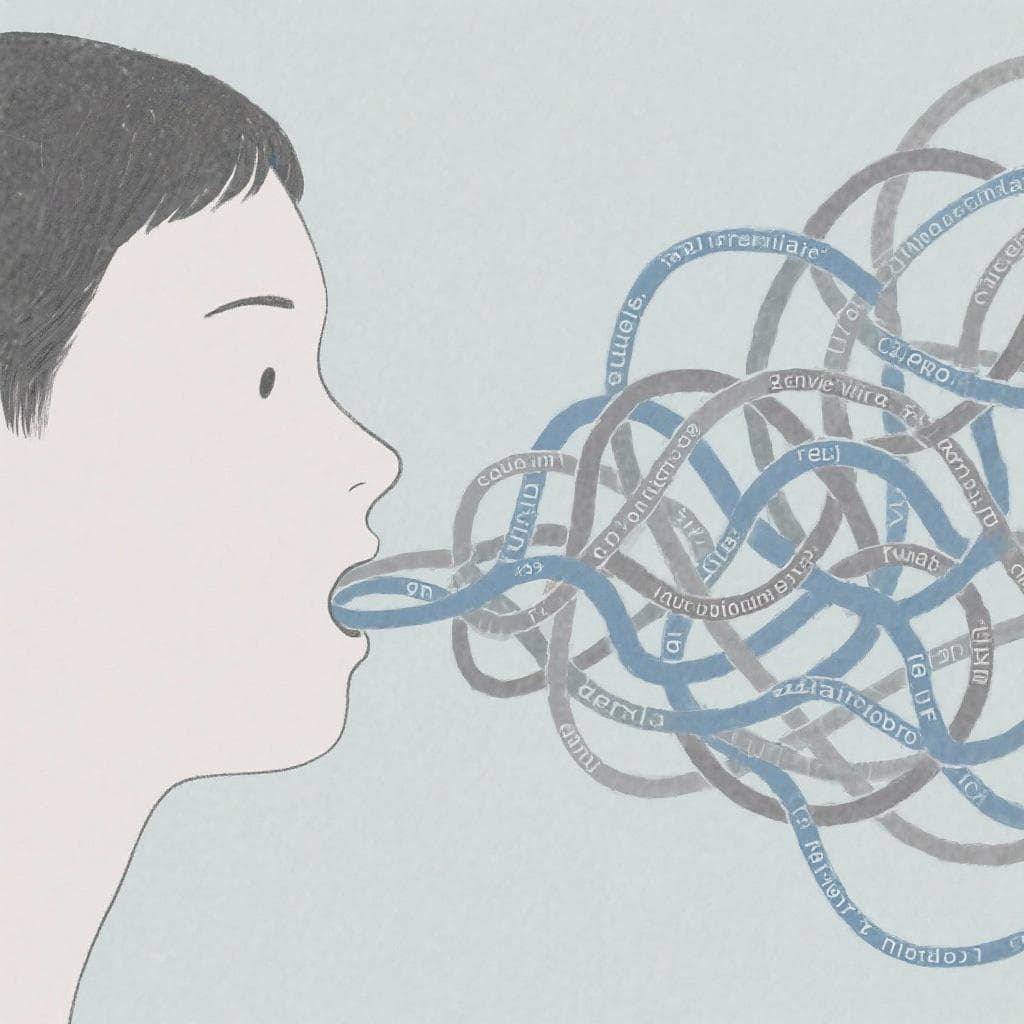
The proverb illustrates how excessive speech can lead to confusion and mistakes.
🔑 Key Words



📖 Context
A traditional Spanish proverb (refrán) with no single author or specific origin text. It is part of the collective folk wisdom of the Spanish-speaking world, passed down through generations.
📝 In Action
Piensa bien antes de responder en la reunión. Recuerda que el que mucho habla, mucho yerra.
B2Think carefully before answering in the meeting. Remember that he who talks a lot, makes a lot of mistakes.
Me arrepiento de haber dicho tanto en la discusión. Es verdad lo que dicen: el que mucho habla, mucho yerra.
B2I regret having said so much during the argument. What they say is true: the more you talk, the more you err.
✍️ About the Author
📜 Historical Context
This proverb is part of the Spanish 'refranero,' the vast collection of traditional sayings that form a core part of the culture. For centuries, before literacy was common, these short, memorable phrases were the primary way of transmitting social values, practical advice, and generational wisdom.
🌍 Cultural Significance
This saying reflects a deep-seated cultural value placed on prudence, discretion, and the power of silence. It's often used by parents and elders to teach children the importance of thinking before speaking. It's the Spanish equivalent of 'Better to remain silent and be thought a fool than to speak and to remove all doubt.'
📚 Literary Analysis
The power of this proverb lies in its perfect, balanced structure, known as parallelism. The phrase is split into two equal halves ('mucho habla' / 'mucho yerra'), creating a catchy, rhythmic quality that makes it easy to remember. The use of the verb 'errar' (to err) gives it a slightly more classic and formal tone than the more common 'equivocarse.'
⭐ Usage Tips
A Gentle Reminder for Caution
Use this proverb to advise someone (or yourself) to be more thoughtful and less talkative, especially in situations where words have real consequences, like negotiations, formal meetings, or arguments.
Sounding Culturally Fluent
Quoting a well-known 'refrán' like this is a great way to show a deeper understanding of Spanish culture. It adds a touch of traditional wisdom to your conversation and demonstrates fluency beyond textbook phrases.
🔗 Related Quotes
✏️ Quick Practice
Quick Quiz: El que mucho habla, mucho yerra.
Question 1 of 2
What is the main advice of the proverb 'El que mucho habla, mucho yerra'?
🏷️ Categories
Themes:
Go from quotes to whole stories
A quote can move you. A story can change how you think in Spanish. Read 200+ illustrated and narrated Spanish stories tailored to your level.
Frequently Asked Questions
Is this proverb considered old-fashioned?
Not at all. While its origins are ancient, the wisdom it conveys is timeless. It is still commonly used in everyday conversation, business, and family life to advise caution with words in the modern world.
What's the difference between 'errar' and 'equivocarse'?
Both mean 'to make a mistake.' 'Equivocarse' is much more common in everyday speech ('Me equivoqué' - 'I was wrong'). 'Errar' is a bit more literary or formal, which is why it's often found in proverbs and classic texts. Using 'errar' gives the proverb a more timeless, weighty feel.