Spanish Wisdom Quotes
Explore 89 beautiful Spanish quotes about wisdom with English translations from famous authors and thinkers
Understanding Spanish Wisdom Quotes
Spanish wisdom quotes share timeless insights, life lessons, and practical philosophy from centuries of Spanish-speaking thinkers. From ancient proverbs (refranes) to modern sage advice, these quotes offer guidance on living well, making decisions, understanding human nature, and navigating life's complexities.
Why These Quotes Matter
Use these quotes for guidance, philosophical reflection, understanding Spanish cultural values, or sharing advice. Perfect for difficult decisions, teaching moments, or when you need perspective on life's challenges. Many are shortened from longer proverbs.
Learning Tips for Wisdom Quotes
- Study how proverbs (refranes) work in Spanish
- Learn the vocabulary of wisdom: sabiduría, consejo, experiencia, prudencia
- Notice how wisdom is often expressed through metaphor or nature imagery
- Compare similar proverbs across Spanish-speaking countries
- Research the origins of famous Spanish sayings
Most Popular Wisdom Quotes
Start with these beloved quotes that have inspired millions
Complete Collection of Wisdom Quotes
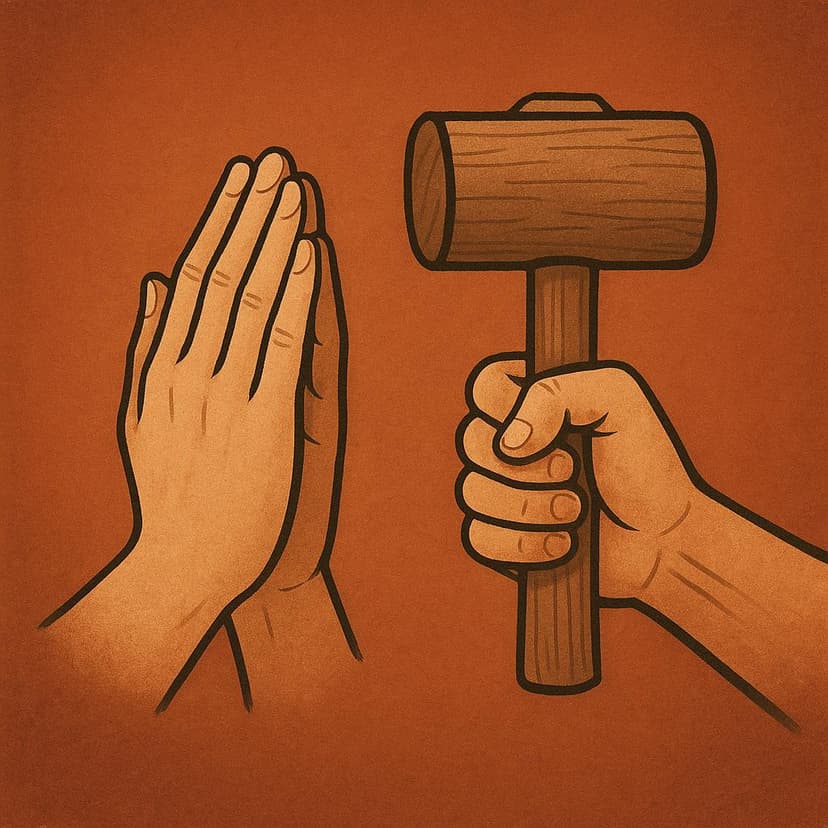
"A Dios rogando y con el mazo dando."
Praying to God, but hammering away.
— Anonymous
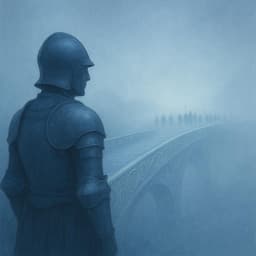
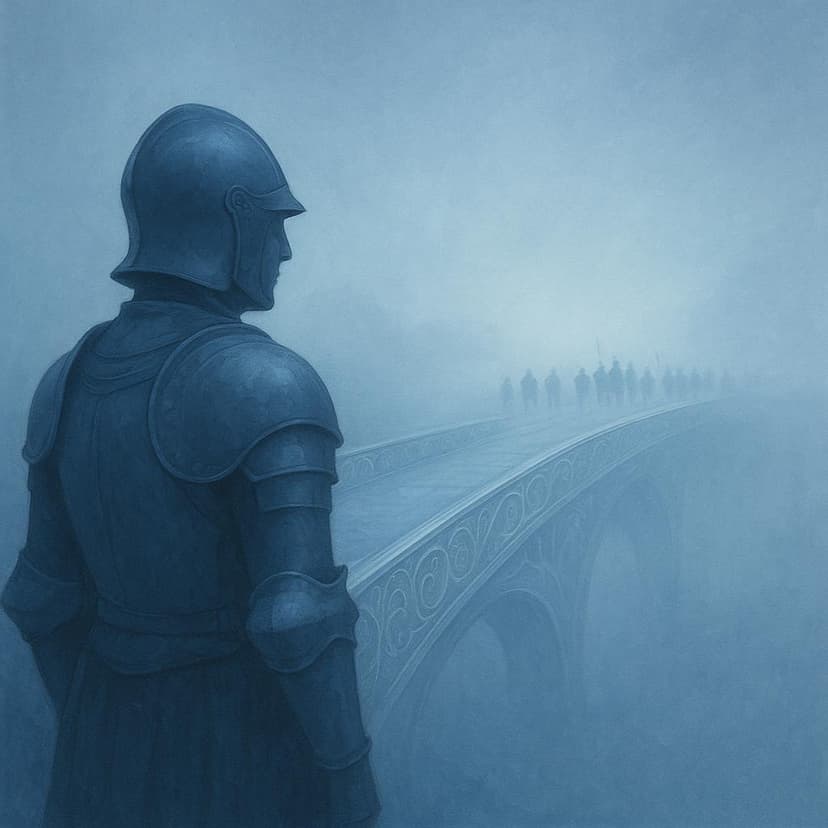
"A enemigo que huye, puente de plata."
For a fleeing enemy, a bridge of silver.
— Anonymous (Traditional Proverb)
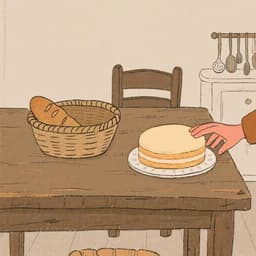
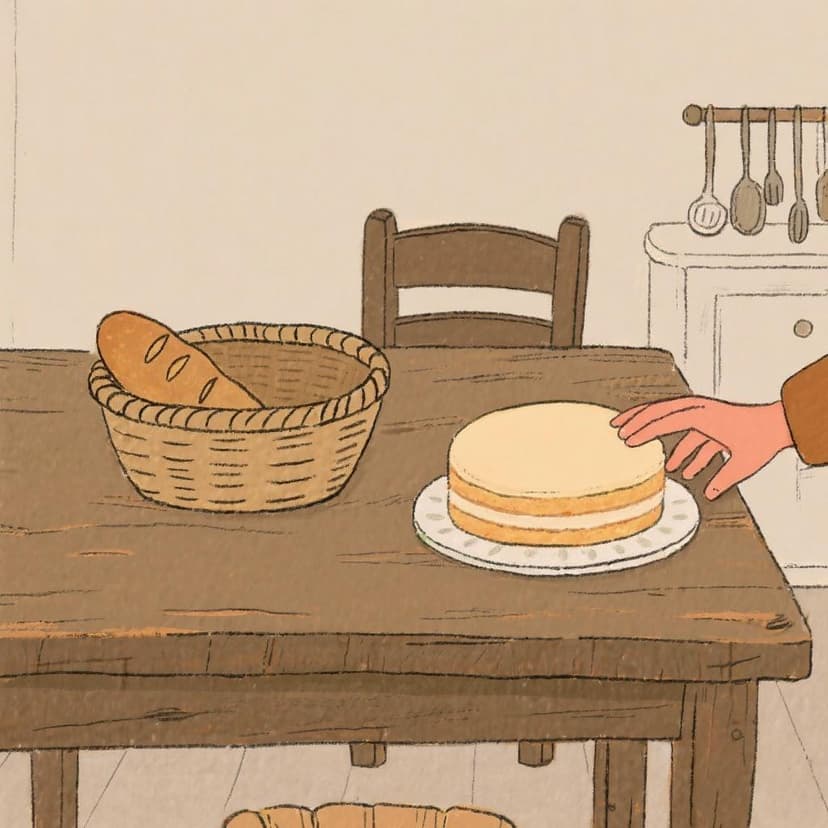
"A falta de pan, buenas son tortas."
If there's no bread, cakes will do.
— Anonymous

"A quien madruga, Dios le ayuda."
God helps those who rise early.
— Traditional Proverb
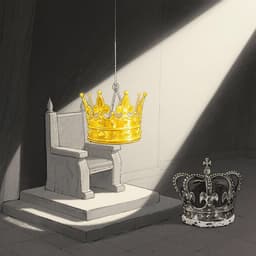
"A rey muerto, rey puesto."
To a dead king, a king installed.
— Traditional Spanish Proverb

"A todo cerdo le llega su San Martín."
Every pig gets its Saint Martin's Day.
— Anonymous (Traditional Proverb)
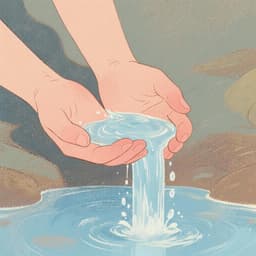
"Agua que no has de beber, déjala correr."
Water that you are not to drink, let it flow.
— Anonymous (Traditional Proverb)
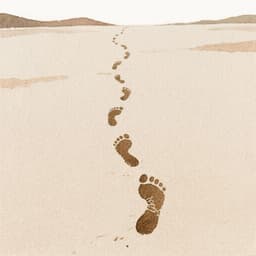
"Al andar se hace el camino."
The path is made by walking.
— Antonio Machado
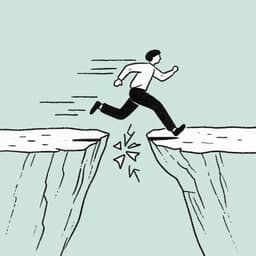
"Al mal paso, darle prisa."
When taking a bad step, hurry it up.
— Anonymous (Traditional Proverb)

"Amar es encontrar en la felicidad de otro tu propia felicidad."
To love is to find your own happiness in the happiness of another.
— Gottfried Wilhelm Leibniz
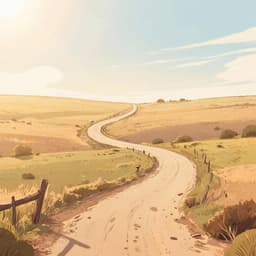
"Arrieros somos y en el camino nos encontraremos."
We are muleteers, and on the road we will meet.
— Anonymous (Traditional Proverb)
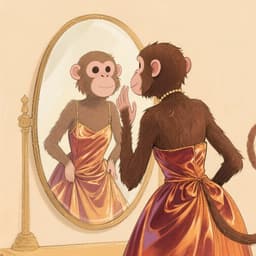
"Aunque la mona se vista de seda, mona se queda."
Even if a monkey dresses in silk, it's still a monkey.
— Tomás de Iriarte
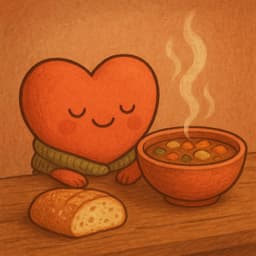
"Barriga llena, corazón contento."
Full belly, happy heart.
— Traditional Spanish Proverb

"Bien haya el que inventó el sueño."
Blessed be he who invented sleep.
— Miguel de Cervantes

"Camarón que se duerme, se lo lleva la corriente."
Shrimp that falls asleep is carried away by the current.
— Anonymous (Traditional Proverb)

"Caminante, no hay camino, se hace camino al andar."
Wanderer, there is no path, the path is made by walking.
— Antonio Machado

"Crea fama y acuéstate a dormir."
Build a reputation and go to sleep.
— Traditional Spanish Proverb
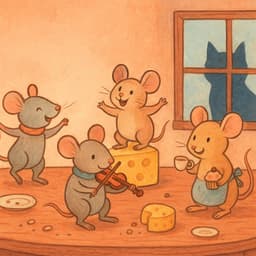
"Cuando el gato no está, los ratones bailan."
When the cat's away, the mice will play.
— Anonymous (Traditional Proverb)

"De músico, poeta y loco, todos tenemos un poco."
Of musician, poet, and madman, we all have a little.
— Anonymous

"De tal palo, tal astilla."
The apple doesn't fall far from the tree.
— Anonymous (Traditional Proverb)

"De todas las cosas que he perdido, lo que más extraño es mi mente."
Of all the things I've lost, I miss my mind the most.
— Various (Disputed Origin)

"Dime de qué presumes y te diré de qué careces."
Tell me what you brag about, and I'll tell you what you lack.
— Anonymous
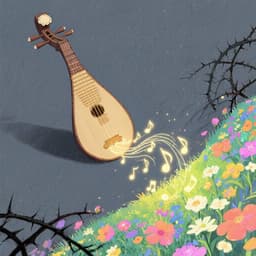
"Donde hay música no puede haber cosa mala."
Where there is music, there can be nothing bad.
— Miguel de Cervantes

"Donde no puedas amar, no te demores."
Where you cannot love, do not linger.
— Frida Kahlo

"El amor es ciego."
Love is blind.
— Proverb

"El amor es una pregunta que no tiene respuesta."
Love is a question that has no answer.
— Anonymous (often attributed to Octavio Paz)

"El amor no tiene cura, pero es la única medicina para todos los males."
Love has no cure, but it is the only medicine for all ills.
— Unknown

"El amor todo lo puede."
Love conquers all.
— Spanish Proverb

"El amor verdadero no tiene final feliz, porque el amor verdadero nunca termina."
True love doesn't have a happy ending, because true love never ends.
— Anonymous / Widely misattributed to Pablo Neruda

"El amor y la fe se prueban con las obras."
Love and faith are proven by deeds.
— Traditional Proverb

"El corazón es un gitano, no se fija en ningún lugar."
The heart is a gypsy, it doesn't settle in any one place.
— Popularized by Gipsy Kings / Traditional Proverb

"El dolor es la única virtud que puede ser medida."
Pain is the only virtue that can be measured.
— Carlos Ruiz Zafón

"El infierno está lleno de buenas intenciones."
The road to hell is paved with good intentions.
— Proverb
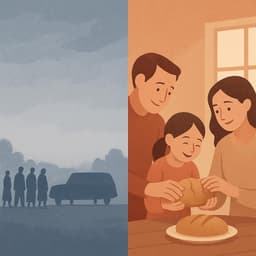
"El muerto al hoyo y el vivo al bollo."
The dead to the pit and the living to the feast.
— Anonymous (Traditional Proverb)

"El pez grande se come al chico."
The big fish eats the little one.
— Traditional Proverb
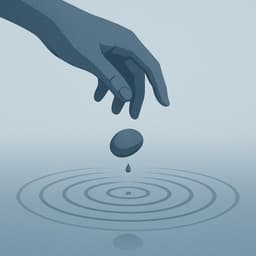
"El que la hace, la paga."
Whoever does the deed, pays the price.
— Traditional Proverb

"El que lee mucho y anda mucho, ve mucho y sabe mucho."
He who reads much and walks much, sees much and knows much.
— Miguel de Cervantes Saavedra

"El que mucho habla, mucho yerra."
He who speaks a lot, makes many mistakes.
— Traditional Proverb
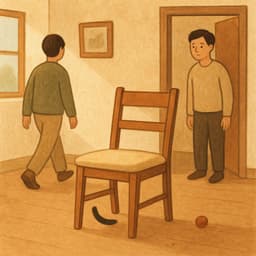
"El que se fue a Sevilla perdió su silla."
He who went to Seville, lost his chair.
— Anonymous (Traditional Spanish Proverb)

"El que tiene boca se equivoca."
He who has a mouth, makes mistakes.
— Traditional Spanish Proverb

"El recuerdo es el único paraíso del que no nos pueden expulsar."
Memory is the only paradise from which we cannot be expelled.
— Jean Paul
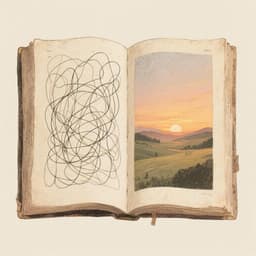
"El tiempo es el mejor autor: siempre encuentra un final perfecto."
Time is the best author: it always finds a perfect ending.
— Charlie Chaplin

"El tiempo todo lo cura y todo lo madura."
Time cures all and matures all.
— Traditional Spanish Proverb
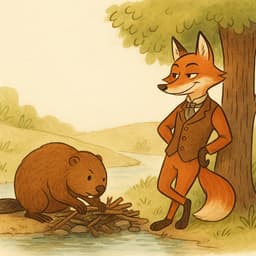
"El vivo vive del bobo y el bobo de su trabajo."
The clever one lives off the fool, and the fool off his work.
— Anonymous (Popular Saying)

"En tierra de ciegos, el tuerto es rey."
In the land of the blind, the one-eyed man is king.
— Anonymous (Proverb)

"Entre col y col, lechuga."
Between cabbage and cabbage, lettuce.
— Anonymous
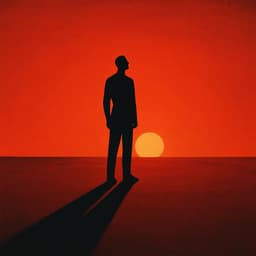
"Es mejor morir de pie que vivir toda una vida arrodillado."
It is better to die on your feet than to live a whole life on your knees.
— Emiliano Zapata
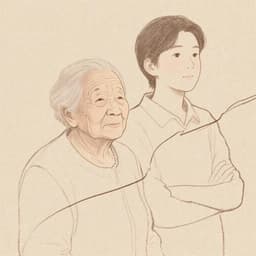
"Genio y figura hasta la sepultura."
Character and style until the grave.
— Anonymous (Traditional Proverb)

"Hay dos clases de hombres: los que viven hablando de las mujeres y los que hablan con ellas."
There are two kinds of men: those who spend their lives talking about women, and those who talk with them.
— Antonio Machado

"Haz el bien sin mirar a quién."
Do good without looking at who benefits.
— Anonymous (Traditional Proverb)

"Hoy es siempre todavía."
Today is always, still.
— Antonio Machado
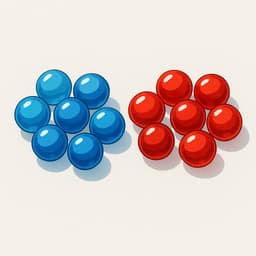
"Juntos pero no revueltos."
Together, but not mixed up.
— Anonymous (Popular Saying)

"La envidia va tan flaca y amarilla porque muerde y no come."
Envy goes so skinny and yellow because it bites but does not eat.
— Francisco de Quevedo

"La esperanza es lo último que se pierde."
Hope is the last thing to be lost.
— Traditional Proverb

"La libertad es uno de los más preciosos dones que a los hombres dieron los cielos."
Liberty is one of the most precious gifts that heaven has bestowed upon men.
— Miguel de Cervantes

"La mentira tiene patas cortas."
Lies have short legs.
— Traditional Proverb

"La muerte no existe, la gente sólo muere cuando la olvidan."
Death does not exist, people only die when they are forgotten.
— Isabel Allende

"La muerte no llega con la vejez, sino con el olvido."
Death does not come with old age, but with being forgotten.
— Gabriel García Márquez

"La pluma es la lengua del alma."
The pen is the tongue of the soul.
— Miguel de Cervantes

"La poesía es un arma cargada de futuro."
Poetry is a weapon loaded with future.
— Gabriel Celaya

"La primavera ha venido, nadie sabe cómo ha sido."
Spring has come, nobody knows how it happened.
— Antonio Machado

"La realidad es mejor que los sueños."
Reality is better than dreams.
— Luis Buñuel
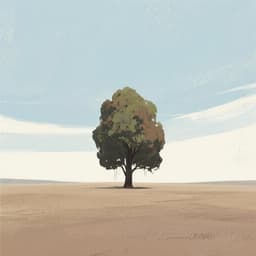
"La soledad es la patria de los fuertes."
Solitude is the homeland of the strong.
— Pío Baroja

"La soledad no es estar solo, es estar vacío."
Loneliness is not being alone, it's being empty.
— Attribution Uncertain
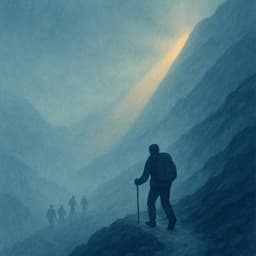
"La única batalla perdida es la que se abandona."
The only lost battle is the one that is abandoned.
— Disputed/Proverbial

"La verdad adelgaza y no quiebra, y siempre anda sobre la mentira como el aceite sobre el agua."
Truth may be stretched thin, but it never breaks, and it always rises above falsehood like oil on water.
— Miguel de Cervantes
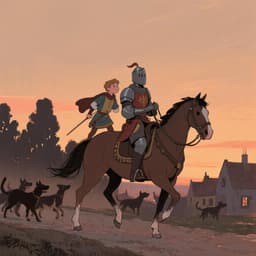
"Ladran, Sancho, señal que cabalgamos."
They're barking, Sancho, a sign that we are on the move.
— Miguel de Cervantes (Attributed)

"Las canas pelan, no aconsejan."
Gray hair reveals age, it doesn't grant wisdom.
— Anonymous
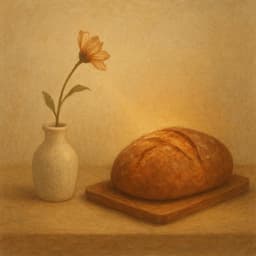
"Las penas con pan son menos."
Sorrows are less with bread.
— Traditional Spanish Proverb

"Lo cortés no quita lo valiente."
Being polite doesn't diminish bravery.
— Traditional Proverb

"Lo único verdadero es el presente."
The only true thing is the present.
— José Ortega y Gasset
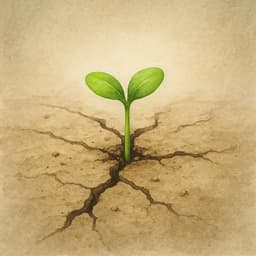
"Los pueblos no se liberan si no es a costa de grandes sacrificios."
A people's freedom is only won through great sacrifice.
— José Martí
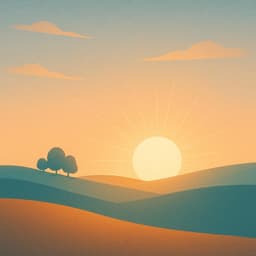
"Mañana será otro día."
Tomorrow will be another day.
— Anonymous
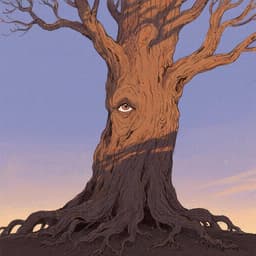
"Más sabe el diablo por viejo que por diablo."
The devil knows more for being old than for being the devil.
— Anonymous (Traditional Proverb)

"Más vale tarde que nunca."
Better late than never.
— Traditional Proverb

"Morir, dormir, tal vez soñar."
To die, to sleep, perchance to dream.
— William Shakespeare

"Mucha gente pequeña, en lugares pequeños, haciendo cosas pequeñas, puede cambiar el mundo."
Many small people, in small places, doing small things, can change the world.
— Eduardo Galeano
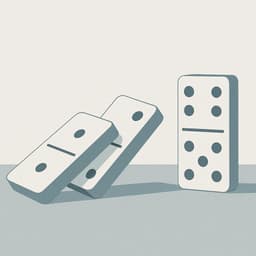
"No hay dos sin tres."
All things come in threes.
— Anonymous (Traditional Proverb)

"No hay mayor desprecio que no hacer aprecio."
There is no greater scorn than to show no appreciation.
— Traditional Spanish Proverb

"No hay medicina que cure lo que no cura la felicidad."
There is no medicine that cures what happiness cannot.
— Gabriel García Márquez (Attributed)

"No por mucho madrugar amanece más temprano."
Getting up very early won't make the sun rise any sooner.
— Traditional Spanish Proverb
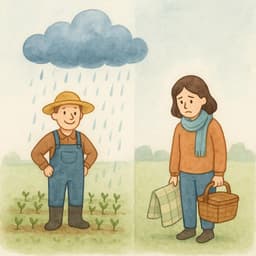
"Nunca llueve a gusto de todos."
You can't please everyone.
— Traditional Proverb

"Para que nada nos separe, que nada nos una."
So that nothing separates us, let nothing unite us.
— Pablo Neruda
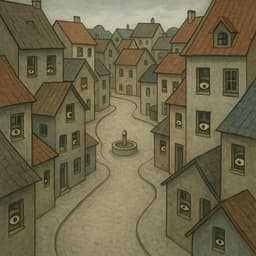
"Pueblo chico, infierno grande."
Small town, big hell.
— Traditional Spanish Proverb

"Ser famoso es una desventaja para pasar desapercibido."
Being famous is a disadvantage for going unnoticed.
— Jorge Luis Borges

"Siempre hay un roto para un descosido."
There's always a 'broken one' for an 'unstitched one.' (Idiomatically: There's a lid for every pot.)
— Anonymous (Traditional Proverb)

"Traté de ahogar mis penas, pero ellas aprendieron a nadar."
I tried to drown my sorrows, but they learned how to swim.
— Frida Kahlo

"Uno no es lo que es por lo que escribe, sino por lo que ha leído."
One is not who they are because of what they write, but because of what they have read.
— Jorge Luis Borges

"Vivir es caer sin cesar."
To live is to fall ceaselessly.
— Octavio Paz
Frequently Asked Questions About Spanish Wisdom Quotes
What are "refranes" in Spanish?
Refranes are traditional Spanish proverbs or sayings that express folk wisdom. They're often metaphorical, rhyming, and passed down through generations. Examples include "No por mucho madrugar amanece más temprano" (the early bird doesn't make the sun rise sooner).
Where does Spanish wisdom come from?
Spanish wisdom draws from multiple sources: ancient Greek and Roman philosophy, Islamic Golden Age thinking (especially in Spain), indigenous wisdom from the Americas, Catholic teachings, and centuries of lived experience across the Spanish-speaking world.
How do I know if a wisdom quote is appropriate to use?
Consider the context and your relationship with the person. Some wisdom quotes are for elders to share with youth, others are universal. Many Spanish proverbs are used daily in conversation, while literary philosophical quotes are more formal.
Want to explore more Spanish quotes? Browse our complete collection or discover more learning resources.
Browse All Spanish Quote Categories
Ready to Discover More Spanish Quotes?
Explore our complete collection of Spanish quotes organized by author, theme, and style. Perfect for learners, quote lovers, and anyone seeking inspiration.
View All Spanish Quotes →