"La mentira tiene patas cortas."
lah men-TEE-rah TYEH-neh PAH-tahs KOR-tahs
Lies have short legs.
💡 Understanding the Quote
"La mentira tiene patas cortas."
🎨 Visual Representation

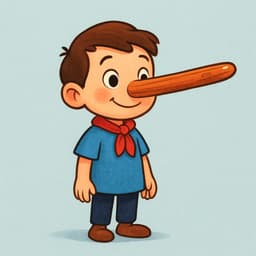
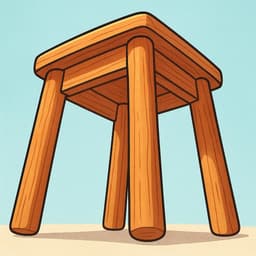
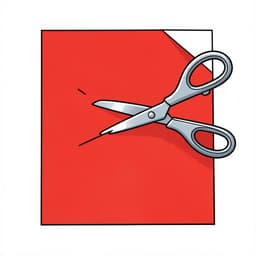
The saying's imagery suggests that a lie, personified with 'short legs,' is destined to be caught quickly.
🔑 Key Words
📖 Context
A traditional Spanish proverb (refrán) with no single attributable author. Its origins are in the oral tradition of popular wisdom.
📝 In Action
No intentes engañar a tu madre, ya sabes que la mentira tiene patas cortas.
B1Don't try to deceive your mother, you know that lies have short legs.
El político fue descubierto una semana después. Se confirma que la mentira tiene patas cortas.
B2The politician was found out a week later. It's confirmed that lies have short legs.
✍️ About the Author
📜 Historical Context
This is a 'refrán', a proverb from Spain's rich oral tradition. Like many such sayings, its exact origin is lost to time, but it represents centuries of accumulated folk wisdom. These proverbs were a primary way of transmitting moral and practical knowledge before widespread literacy.
🌍 Cultural Significance
This proverb is a cornerstone of moral education in the Spanish-speaking world. It's one of the first sayings children learn, used by parents and teachers to instill the value of honesty. It reflects a cultural belief that, ultimately, truth prevails.
📚 Literary Analysis
The power of this proverb lies in its use of personification. It gives an abstract concept, 'la mentira' (the lie), a physical body with a comical and debilitating flaw: short legs. This creates a simple, memorable, and slightly humorous image that makes the abstract moral lesson concrete and easy to understand.
⭐ Usage Tips
A Gentle Warning or a Final Verdict
Use this proverb either as a warning to someone considering being dishonest ('Be careful, la mentira tiene patas cortas...') or as a comment after a lie has been exposed ('Well, la mentira tiene patas cortas.'). It fits perfectly in both situations.
Universally Understood
This is one of the most common proverbs in Spanish. You can use it in any Spanish-speaking country and with people of all ages, and you will be understood immediately. It's a great way to show cultural fluency.
🔗 Related Quotes
✏️ Quick Practice
Quick Quiz: La mentira tiene patas cortas.
Question 1 of 2
What is the main message of the proverb 'La mentira tiene patas cortas'?
🏷️ Categories
Themes:
Go from quotes to whole stories
A quote can move you. A story can change how you think in Spanish. Read 200+ illustrated and narrated Spanish stories tailored to your level.
Frequently Asked Questions
Is there a direct English equivalent for this proverb?
The closest English equivalent in meaning is 'The truth will out' or 'A lie has no legs.' While 'Lies have short legs' is the literal translation, it's not a common English proverb, so using one of the equivalents often captures the spirit better in translation.
Is this phrase considered old-fashioned?
Not at all. While it is an old proverb, it is still in very active and common use today across all age groups. It's a timeless piece of wisdom.