patas
“patas” means “legs” in Spanish. It has 3 different meanings depending on context:



legs, paws
Also: feet
📝 In Action
El perro movió sus patas con alegría al vernos.
A1The dog moved its paws happily when it saw us.
Necesitamos arreglar una de las patas de la silla.
A2We need to fix one of the legs of the chair.
feet
Also: pins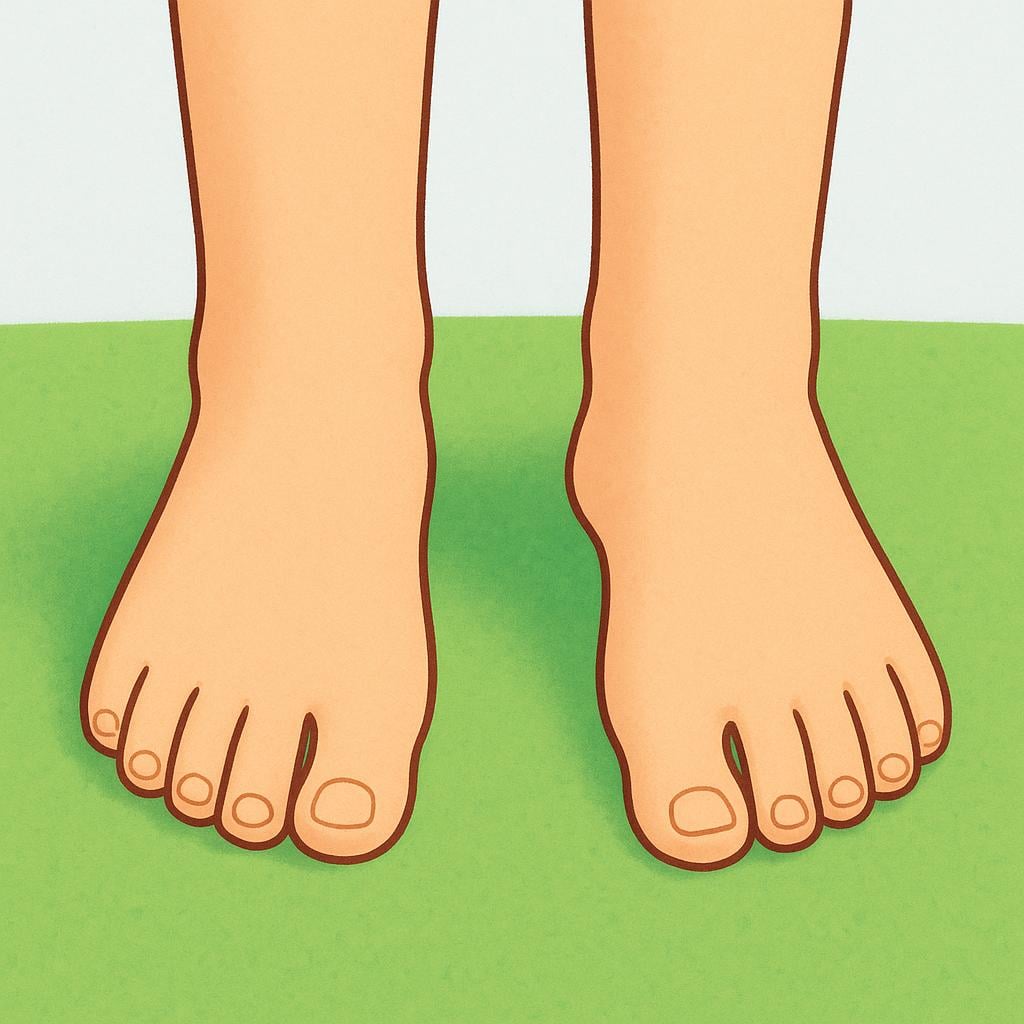
📝 In Action
Me duelen mucho las patas después de la caminata.
B1My feet/legs really hurt after the walk.
Llegué a pata porque el autobús se retrasó.
B2I arrived on foot because the bus was delayed.

friends
Also: pals
📝 In Action
Esta noche salimos de copas con las patas.
B2Tonight we're going out for drinks with our friends/mates.
Él y yo somos patas desde el colegio.
C1He and I have been buddies since school.
Vocabulary Collections
Translate to Spanish
✏️ Quick Practice
Quick Quiz: patas
Question 1 of 1
Which sentence uses 'patas' in the informal slang sense of 'friends'?
📚 More Resources
👥 Word Family▼
📚 Etymology▼
The word 'pata' comes from the Late Latin word *patta*, which meant 'paw' or 'foot' of an animal. This root gives us the literal meaning. The slang meaning of 'friends' is a more recent development, possibly linked to the idea of two people walking together or being paired up like four legs.
First recorded: Medieval Spanish (as 'pata')
Cognates (Related words)
💡 Master Spanish
Take your Spanish to the next level. Read 200+ illustrated and narrated Spanish stories tailored to your level with the Inklingo app!
Frequently Asked Questions
¿Por qué 'patas' es femenino si hablo de un amigo (hombre)?
That's a great question! 'Patas' is feminine because the original word 'pata' (leg/paw) is a feminine noun. Even when we use it as slang to refer to a group of friends, including men, the word itself doesn't change gender. You would say 'Mis patas son geniales' whether your friends are all male, all female, or mixed.
Is 'patas' offensive when referring to human legs?
It is not offensive, but it is very informal. It often implies a bit of weariness or exaggeration, like 'My tired old legs.' For a neutral context, always use 'piernas' (legs) or 'pies' (feet).