"Genio y figura hasta la sepultura."
HEH-nyoh ee fee-GOO-rah AHS-tah lah seh-pool-TOO-rah
Character and style until the grave.
💡 Understanding the Quote
"Genio y figura hasta la sepultura."
🎨 Visual Representation
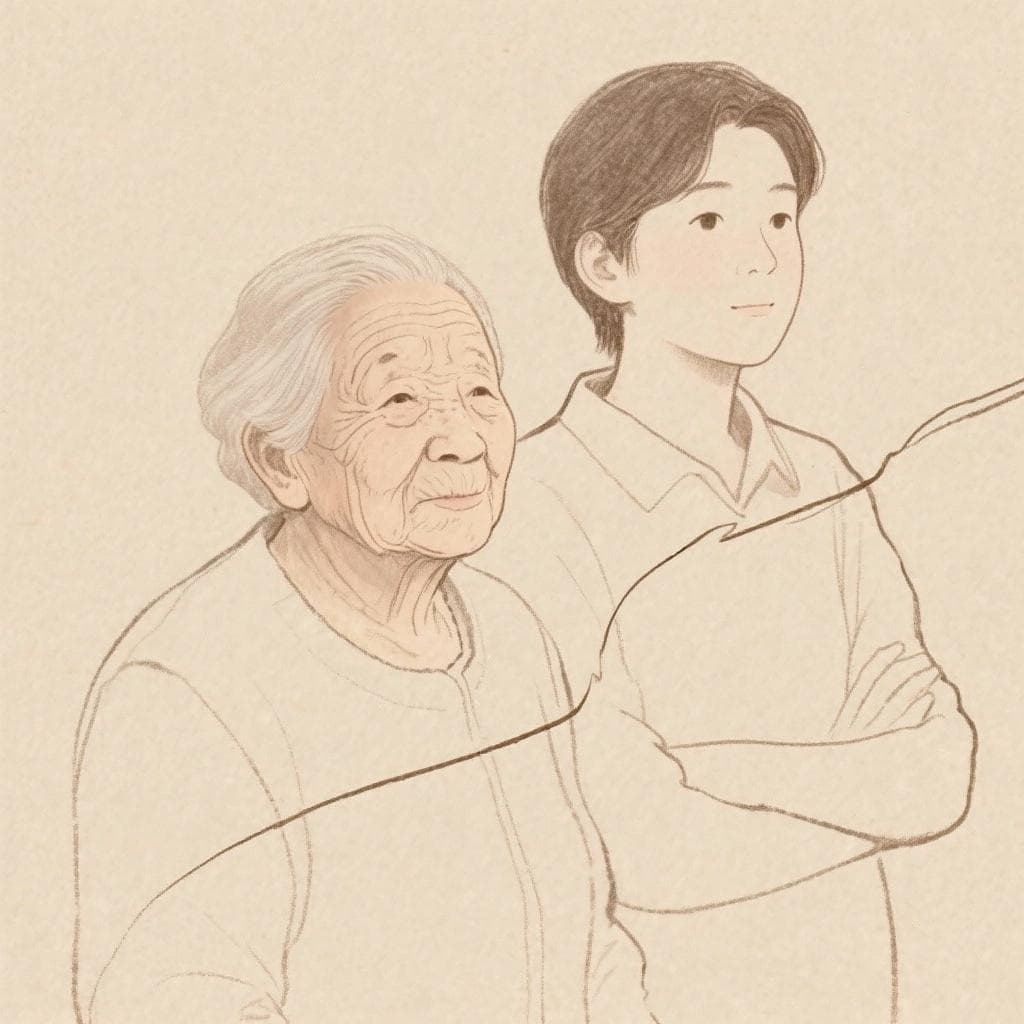
This proverb suggests that our core personality and style remain with us for our entire lives.
🔑 Key Words


📖 Context
This is a traditional Spanish proverb (refrán) with anonymous origins. It is not from a specific literary work but is part of the collective oral wisdom passed down through generations in the Spanish-speaking world.
📝 In Action
Mi abuela sigue yendo a bailar a sus 90 años. Ya sabes, genio y figura hasta la sepultura.
B2My grandma still goes dancing at 90. You know, people never change.
Intenté que fuera más ordenado, pero es imposible. Genio y figura hasta la sepultura.
B2I tried to get him to be more organized, but it's impossible. A leopard can't change its spots.
✍️ About the Author
📜 Historical Context
This saying is a 'refrán,' a traditional proverb from Spain's rich oral tradition. These short, pithy sayings were a primary way of passing down popular wisdom and cultural values through generations, long before widespread literacy. They often reflect a pragmatic, and sometimes fatalistic, view of human nature.
🌍 Cultural Significance
This is a cornerstone of Spanish idiomatic expression, used frequently to comment on the consistency of human character. It reflects a common cultural belief in the power of one's innate personality. It can be used affectionately to praise someone's enduring spirit, or critically to point out unchangeable flaws.
📚 Literary Analysis
The power of the phrase comes from pairing 'genio' (one's inner spirit, character, and wit) with 'figura' (one's outward appearance, style, and form). Together, they create a complete picture of a person, inside and out. The rhyming of 'figura' and 'sepultura' makes it catchy and memorable, a key feature of effective proverbs.
⭐ Usage Tips
Affectionate or Critical?
The tone depends entirely on context. You can use it to praise someone's enduring charm and spirit ('¡Qué energía tiene tu abuelo! Genio y figura...') or to sigh about someone's persistent flaws ('Siempre llega tarde. Genio y figura...').
A Statement of Observation
Use this proverb not to argue for change, but to state that change is unlikely. It’s an observation about someone's fixed nature, often said with a shrug of acceptance.
🔗 Related Quotes
✏️ Quick Practice
Quick Quiz: Genio y figura hasta la sepultura.
Question 1 of 2
What is the best English equivalent for 'Genio y figura hasta la sepultura'?
🏷️ Categories
Themes:
Go from quotes to whole stories
A quote can move you. A story can change how you think in Spanish. Read 200+ illustrated and narrated Spanish stories tailored to your level.
Frequently Asked Questions
Is this phrase always negative?
Not at all! It can be used very positively to admire someone's enduring spirit, charm, or unique style. For example, saying it about an elderly person who is still full of life and personality is a high compliment.
What's the difference between 'genio' and 'figura' here?
'Genio' refers to the inner self—the personality, temperament, and spirit. 'Figura' refers to the outer self—the physical appearance, style, and the way one presents to the world. Together, they mean the total, unchanging essence of a person.