"Más sabe el diablo por viejo que por diablo."
mahs SAH-beh el DYAH-bloh por VYAY-hoh keh por DYAH-bloh
The devil knows more for being old than for being the devil.
💡 Understanding the Quote
"Más sabe el diablo por viejo que por diablo."
🎨 Visual Representation
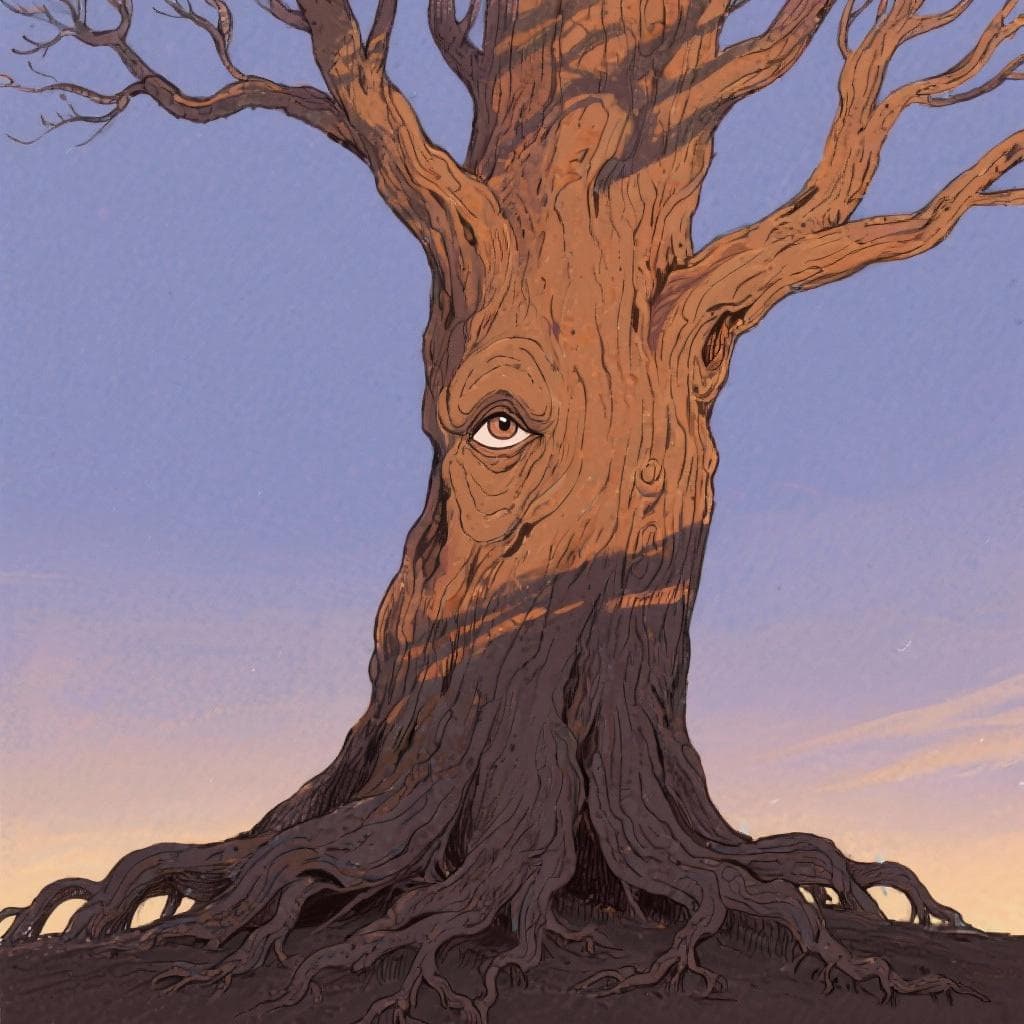
The proverb highlights that wisdom is a product of experience gathered over a long life, much like an ancient tree.
🔑 Key Words

📖 Context
A traditional Spanish proverb (refrán) from the collective oral tradition. Its exact origin is unknown, but it has been part of the Spanish language for centuries.
📝 In Action
Hazle caso a tu abuela, que más sabe el diablo por viejo que por diablo.
B2Listen to your grandmother; the devil knows more for being old than for being the devil.
No seré el más listo, pero a mi edad ya he visto de todo. Como dicen, más sabe el diablo por viejo...
B2I may not be the smartest, but at my age I've seen it all. As they say, the devil knows more for being old...
✍️ About the Author
📜 Historical Context
This is a traditional proverb (refrán) with roots deep in Spanish oral tradition. Its exact origin is unknown, but it reflects a long-standing cultural respect for the wisdom of elders, a common theme in societies where experience was the primary form of knowledge.
🌍 Cultural Significance
It's one of the most common proverbs in Spanish, used across all social classes and regions. It encapsulates the cultural value placed on experience over theoretical knowledge or innate talent. It's often used to gently suggest that an older person's advice is worth listening to.
📚 Literary Analysis
The proverb uses the figure of 'el diablo' (the devil) not for its religious meaning, but as a symbol of cleverness and cunning. The structure 'más por... que por...' is a classic comparative formula in Spanish that creates a memorable rhythm. The twist is that the devil's greatest asset isn't his supernatural cunning, but something universally human: age.
⭐ Usage Tips
Giving or Taking Advice
Use this proverb when you want to emphasize the value of an older person's advice or experience. It's a respectful way to say, 'They've been around, they know what they're talking about.'
A Touch of Humility
An older person can use it with a touch of self-deprecating humor to validate their own advice, implying their wisdom comes simply from having lived a long time.
🔗 Related Quotes
✏️ Quick Practice
Quick Quiz: Más sabe el diablo por viejo que por diablo.
Question 1 of 2
What is the main message of the proverb 'Más sabe el diablo por viejo que por diablo'?
🏷️ Categories
Themes:
Go from quotes to whole stories
A quote can move you. A story can change how you think in Spanish. Read 200+ illustrated and narrated Spanish stories tailored to your level.
Frequently Asked Questions
Is this proverb considered rude to say to an older person?
Not at all. In fact, it's usually said with respect and admiration for their experience. An older person might even say it about themselves with a sense of pride or humor.
Can I use this in a formal setting?
While it's a colloquial proverb, it is so well-known that it can be used in semi-formal contexts, like a speech or presentation, to make a point in a relatable, folksy way. It might be out of place in very strict academic or legal writing.