How to Say "american" in Spanish
The most common Spanish word for “american” is “americano” — use 'americano' when referring to the continents of North, Central, or South America, or when referring to people or things from the United States in a broader sense.
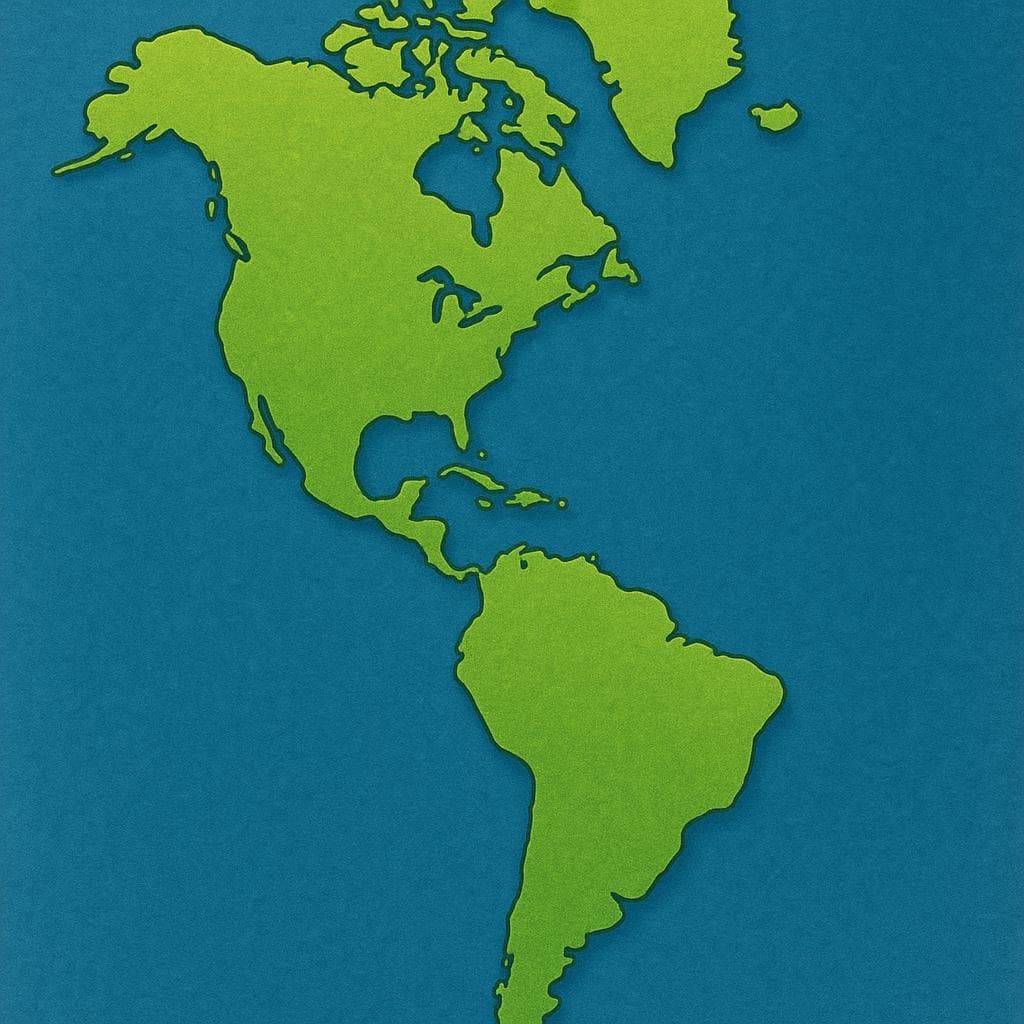
Use 'americano' when referring to the continents of North, Central, or South America, or when referring to people or things from the United States in a broader sense.
Learn more →
Use 'estadounidense' specifically to refer to people or things that are from the United States of America, distinguishing it from other countries in the Americas.
Learn more →
Use 'gringo' informally to refer to a person from the United States, often perceived as a foreigner, particularly in Latin American contexts.
Learn more →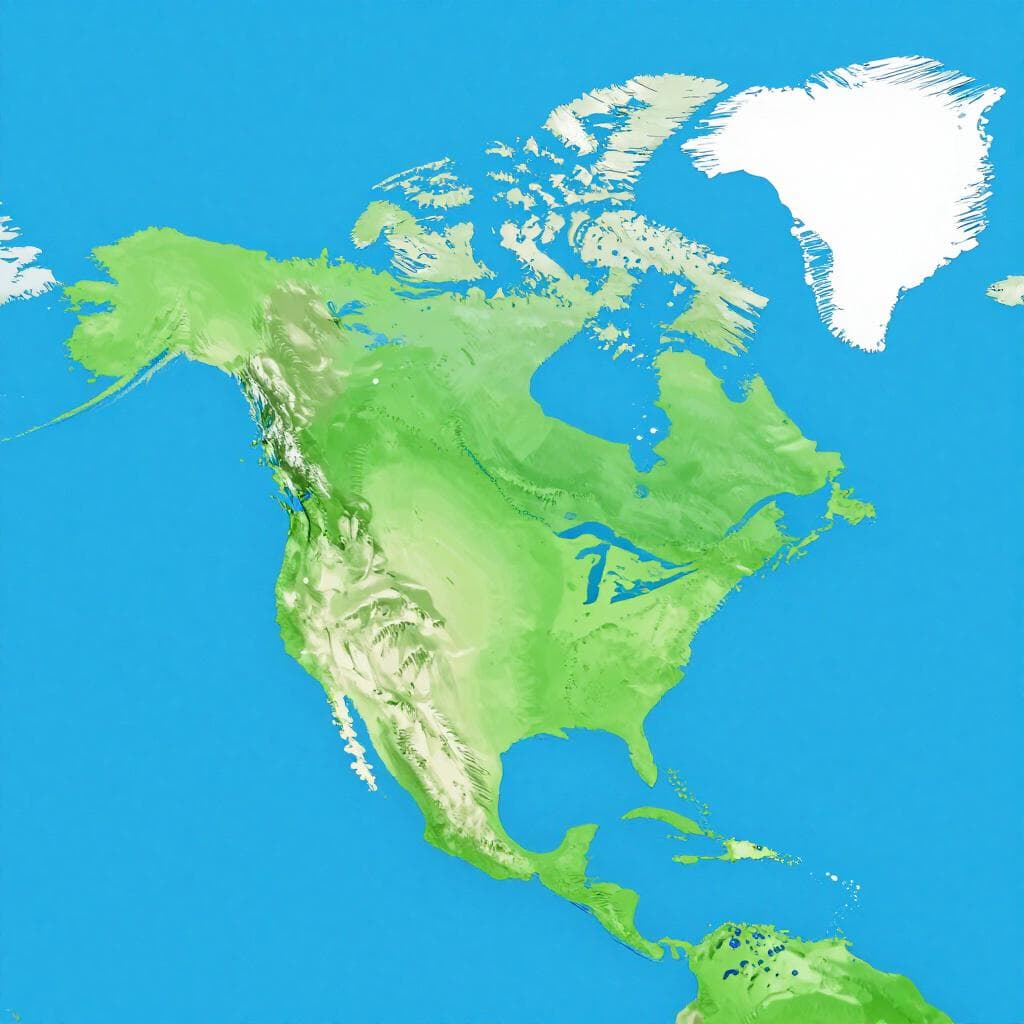
Use 'norteamericano' when referring specifically to things related to the continent of North America, or sometimes informally for things from the United States.
Learn more →
Use 'yanqui' as an informal or slang term for a person from the United States, often with historical or political connotations.
Learn more →ah-meh-ree-KAH-nohameɾiˈkano

Examples
El continente americano es el segundo más grande del mundo.
The American continent is the second largest in the world.
Los países americanos tienen una gran diversidad cultural.
The American countries have great cultural diversity.
Mi amigo tiene doble nacionalidad: es mexicano y americano.
My friend has dual nationality: he is Mexican and American (from the U.S.).
Compramos un coche americano.
We bought an American car (a U.S. manufactured car).
Changing Gender
Like many Spanish adjectives, 'americano' must match the gender of the noun: 'el continente americano' (masculine) but 'la cultura americana' (feminine).
Alternative Word
To avoid confusion, many Spanish speakers prefer using 'estadounidense' when specifically referring to things or people from the United States.
Mixing up the Continent
Mistake: “Pensé que americano solo significaba de EE. UU.”
Correction: In Spanish, 'americano' often refers to the entire continent (North, Central, and South America). This is the most geographically accurate use.
es-ta-doh-oo-nee-DEN-sehestadowniˈðense

Examples
La bandera estadounidense tiene estrellas y franjas.
The US flag has stars and stripes.
Necesito un visado para trabajar en territorio estadounidense.
I need a visa to work in US territory.
Ella es estadounidense, pero vive en México.
She is American (a US citizen), but she lives in Mexico.
Los estadounidenses celebran el Día de la Independencia en julio.
Americans celebrate Independence Day in July.
Always the Same Form
Unlike most Spanish adjectives, 'estadounidense' does not change its ending based on whether the noun is masculine or feminine (e.g., 'la cultura estadounidense', 'el gobierno estadounidense').
Making it Plural
To talk about multiple things, just add an 's' at the end: 'las costumbres estadounidenses' (the US customs).
Gender and Articles
The word itself doesn't change, but you use the correct article (the little word before the noun) to show gender: 'el estadounidense' (male) or 'la estadounidense' (female).
Confusing 'Americano'
Mistake: “Using 'americano' as an adjective for 'US' things.”
Correction: While sometimes used informally, 'americano' officially means 'of the Americas' (North, Central, or South). Use 'estadounidense' for clarity to mean 'of the U.S.'.
es-ta-doh-oo-nee-DEN-sehestadowniˈðense
Examples
Ella es estadounidense, pero vive en México.
She is American (a US citizen), but she lives in Mexico.
La bandera estadounidense tiene estrellas y franjas.
The US flag has stars and stripes.
Necesito un visado para trabajar en territorio estadounidense.
I need a visa to work in US territory.
Los estadounidenses celebran el Día de la Independencia en julio.
Americans celebrate Independence Day in July.
Always the Same Form
Unlike most Spanish adjectives, 'estadounidense' does not change its ending based on whether the noun is masculine or feminine (e.g., 'la cultura estadounidense', 'el gobierno estadounidense').
Making it Plural
To talk about multiple things, just add an 's' at the end: 'las costumbres estadounidenses' (the US customs).
Gender and Articles
The word itself doesn't change, but you use the correct article (the little word before the noun) to show gender: 'el estadounidense' (male) or 'la estadounidense' (female).
Confusing 'Americano'
Mistake: “Using 'americano' as an adjective for 'US' things.”
Correction: While sometimes used informally, 'americano' officially means 'of the Americas' (North, Central, or South). Use 'estadounidense' for clarity to mean 'of the U.S.'.
GREN-goˈɡɾiŋɡo

Examples
Mi profesor de inglés es gringo.
My English teacher is American.
Había muchos gringos en la playa ayer.
There were a lot of Americans on the beach yesterday.
Aunque es gringa, habla un español perfecto.
Even though she is American, she speaks perfect Spanish.
Changing for Gender
The word changes its ending based on who you are talking about: use 'gringo' for a man and 'gringa' for a woman.
Using it as a Description
Even though it is a noun, it often acts like a describing word (an adjective) to say where someone is from.
Don't assume it's always an insult
Mistake: “Thinking 'gringo' is always a bad word.”
Correction: In most contexts, it's just a nickname. It only becomes an insult if said with an angry tone or mean words.
nor-teh-ah-meh-ree-KAH-nohnoɾteameɾiˈkano

Examples
Me gusta mucho la literatura norteamericana.
I really like North American literature.
El equipo norteamericano ganó la medalla de oro.
The American team won the gold medal.
Ella tiene un acento norteamericano muy claro.
She has a very clear North American accent.
Ese chico es norteamericano.
That boy is American.
Placement of Adjectives
In Spanish, words describing where something is from usually come after the person or thing they are describing. You say 'cine norteamericano' rather than 'norteamericano cine'.
Changing for Gender
This word changes its ending based on what it's describing. Use 'norteamericano' for masculine items and 'norteamericana' for feminine items.
Identifying People
When talking about a person's origin, you don't use 'un' or 'una' after the verb 'to be' (ser). Say 'Soy norteamericano', not 'Soy un norteamericano'.
The 'American' Confusion
Mistake: “Calling someone from the U.S. just 'americano'.”
Correction: Use 'norteamericano' or 'estadounidense'. In Spanish, 'América' is the whole continent (North and South), so calling someone 'americano' can feel vague or even a bit rude to other people from the Americas.
Gender Matching
Mistake: “A woman saying 'Soy norteamericano'.”
Correction: Women should always say 'Soy norteamericana'. The word must match the gender of the person speaking.
nor-teh-ah-meh-ree-KAH-nohnoɾteameɾiˈkano
Examples
Ese chico es norteamericano.
That boy is American.
Me gusta mucho la literatura norteamericana.
I really like North American literature.
El equipo norteamericano ganó la medalla de oro.
The American team won the gold medal.
Ella tiene un acento norteamericano muy claro.
She has a very clear North American accent.
Placement of Adjectives
In Spanish, words describing where something is from usually come after the person or thing they are describing. You say 'cine norteamericano' rather than 'norteamericano cine'.
Changing for Gender
This word changes its ending based on what it's describing. Use 'norteamericano' for masculine items and 'norteamericana' for feminine items.
Identifying People
When talking about a person's origin, you don't use 'un' or 'una' after the verb 'to be' (ser). Say 'Soy norteamericano', not 'Soy un norteamericano'.
The 'American' Confusion
Mistake: “Calling someone from the U.S. just 'americano'.”
Correction: Use 'norteamericano' or 'estadounidense'. In Spanish, 'América' is the whole continent (North and South), so calling someone 'americano' can feel vague or even a bit rude to other people from the Americas.
Gender Matching
Mistake: “A woman saying 'Soy norteamericano'.”
Correction: Women should always say 'Soy norteamericana'. The word must match the gender of the person speaking.
yan-keeˈʝaŋki

Examples
Había muchos yanquis en el hotel.
There were many Yankees at the hotel.
Mi primo se casó con una yanqui muy simpática.
My cousin married a very nice American girl.
Los yanquis tienen costumbres muy diferentes a las nuestras.
Americans have very different customs from ours.
Me encanta la comida yanqui.
I love American food.
One word for both genders
The word stays exactly the same whether you are talking about a man or a woman. Just change the 'the' or 'a' before it (el yanqui / la yanqui).
American vs. Yanqui
In Spanish, 'americano' refers to anyone from North, Central, or South America. To specifically mean someone from the USA, people use 'estadounidense' or the informal 'yanqui'.
Plural forms
To make it plural, just add an 's' to the end: 'los yanquis' or 'las costumbres yanquis'.
Don't add an 'a' for women
Mistake: “La yanquia es mi amiga.”
Correction: La yanqui es mi amiga. (Words ending in -i usually don't change for gender.)
yan-keeˈʝaŋki
Examples
Me encanta la comida yanqui.
I love American food.
Había muchos yanquis en el hotel.
There were many Yankees at the hotel.
Mi primo se casó con una yanqui muy simpática.
My cousin married a very nice American girl.
Los yanquis tienen costumbres muy diferentes a las nuestras.
Americans have very different customs from ours.
One word for both genders
The word stays exactly the same whether you are talking about a man or a woman. Just change the 'the' or 'a' before it (el yanqui / la yanqui).
American vs. Yanqui
In Spanish, 'americano' refers to anyone from North, Central, or South America. To specifically mean someone from the USA, people use 'estadounidense' or the informal 'yanqui'.
Plural forms
To make it plural, just add an 's' to the end: 'los yanquis' or 'las costumbres yanquis'.
Don't add an 'a' for women
Mistake: “La yanquia es mi amiga.”
Correction: La yanqui es mi amiga. (Words ending in -i usually don't change for gender.)
ah-meh-ree-KAH-nohameɾiˈkano
Examples
Mi amigo tiene doble nacionalidad: es mexicano y americano.
My friend has dual nationality: he is Mexican and American (from the U.S.).
El continente americano es el segundo más grande del mundo.
The American continent is the second largest in the world.
Los países americanos tienen una gran diversidad cultural.
The American countries have great cultural diversity.
Compramos un coche americano.
We bought an American car (a U.S. manufactured car).
Changing Gender
Like many Spanish adjectives, 'americano' must match the gender of the noun: 'el continente americano' (masculine) but 'la cultura americana' (feminine).
Alternative Word
To avoid confusion, many Spanish speakers prefer using 'estadounidense' when specifically referring to things or people from the United States.
Mixing up the Continent
Mistake: “Pensé que americano solo significaba de EE. UU.”
Correction: In Spanish, 'americano' often refers to the entire continent (North, Central, and South America). This is the most geographically accurate use.
General vs. Specific 'American'
The most common mistake is using 'americano' when you specifically mean someone from the USA. While 'americano' can refer to the US, 'estadounidense' is always precise for the United States. Use 'americano' for the continents or when the context makes the US meaning clear.
Related Translations
Learn Spanish with Inklingo
Interactive stories, personalized learning, and more.