How to Say "athlete" in Spanish
The most common Spanish word for “athlete” is “deportista” — use 'deportista' for a general term for someone who plays sports or is involved in athletic activities, often emphasizing the participation or enjoyment of sports.


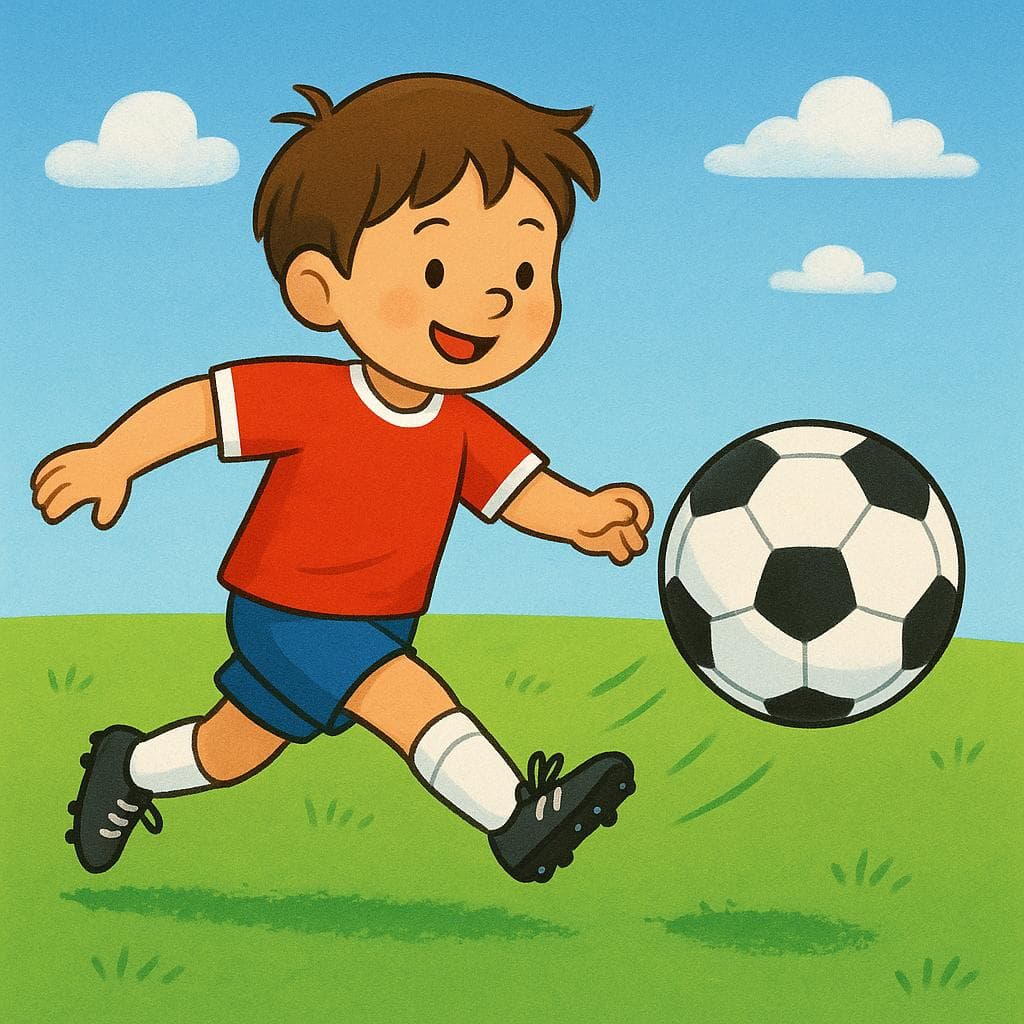
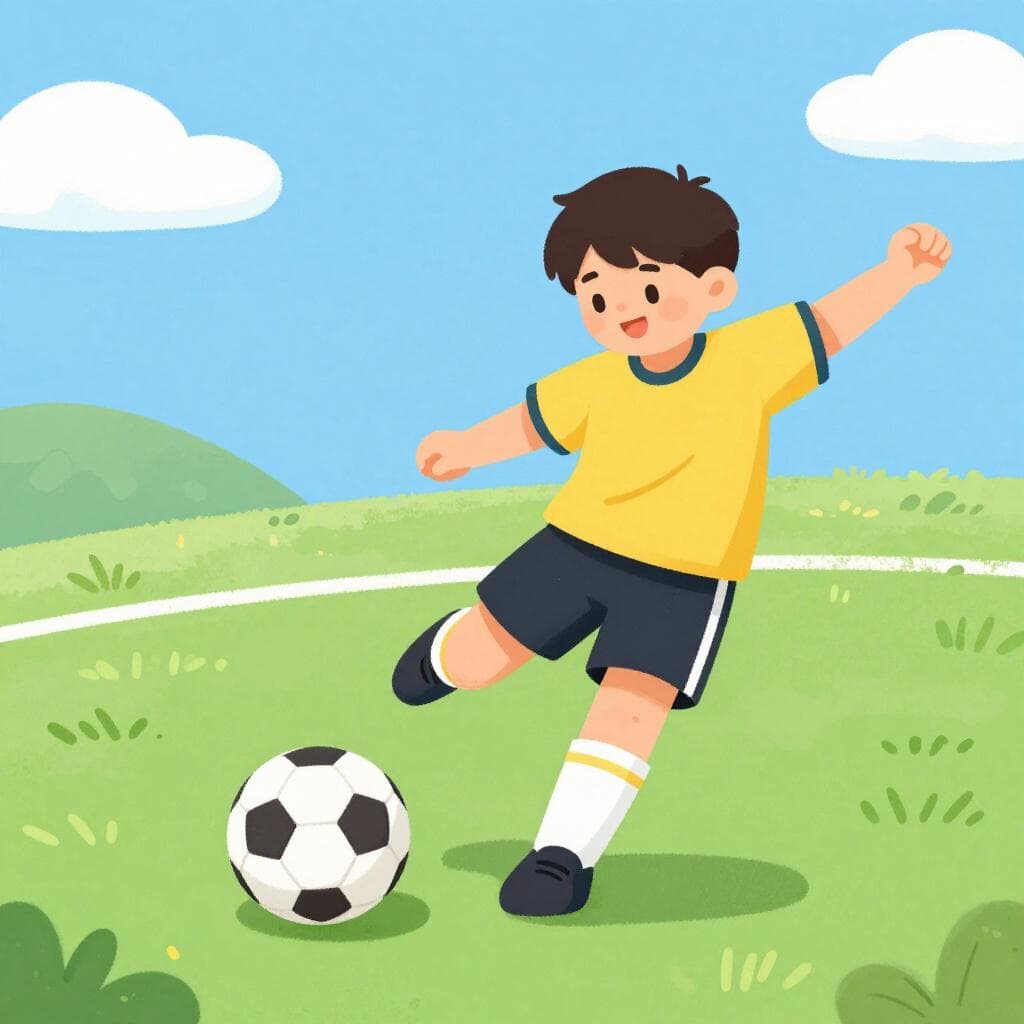
deportista
deh-por-TEES-tahdepoɾˈtista
Examples
Mi hermano es un gran deportista, le encanta jugar al fútbol y nadar.
My brother is a great athlete; he loves playing soccer and swimming.
Rafael Nadal es un deportista increíble.
Rafael Nadal is an incredible athlete.
Ella es una deportista profesional de voleibol.
She is a professional volleyball player.
Los deportistas olímpicos entrenan varias horas al día.
Olympic athletes train several hours a day.
One word for both genders
The word always ends in 'a,' whether you are talking about a man or a woman. To show the difference, just change the word before it: 'el deportista' for a man and 'la deportista' for a woman.
The '-ista' pattern
Many words for jobs or hobbies in Spanish end in '-ista' (like dentista or artista). These words almost never change their ending to an 'o,' even when referring to men.
The 'Deportisto' Error
Mistake: “El es un deportisto muy bueno.”
Correction: Él es un deportista muy bueno. Even though 'él' is masculine, the word 'deportista' must keep its 'a' at the end.
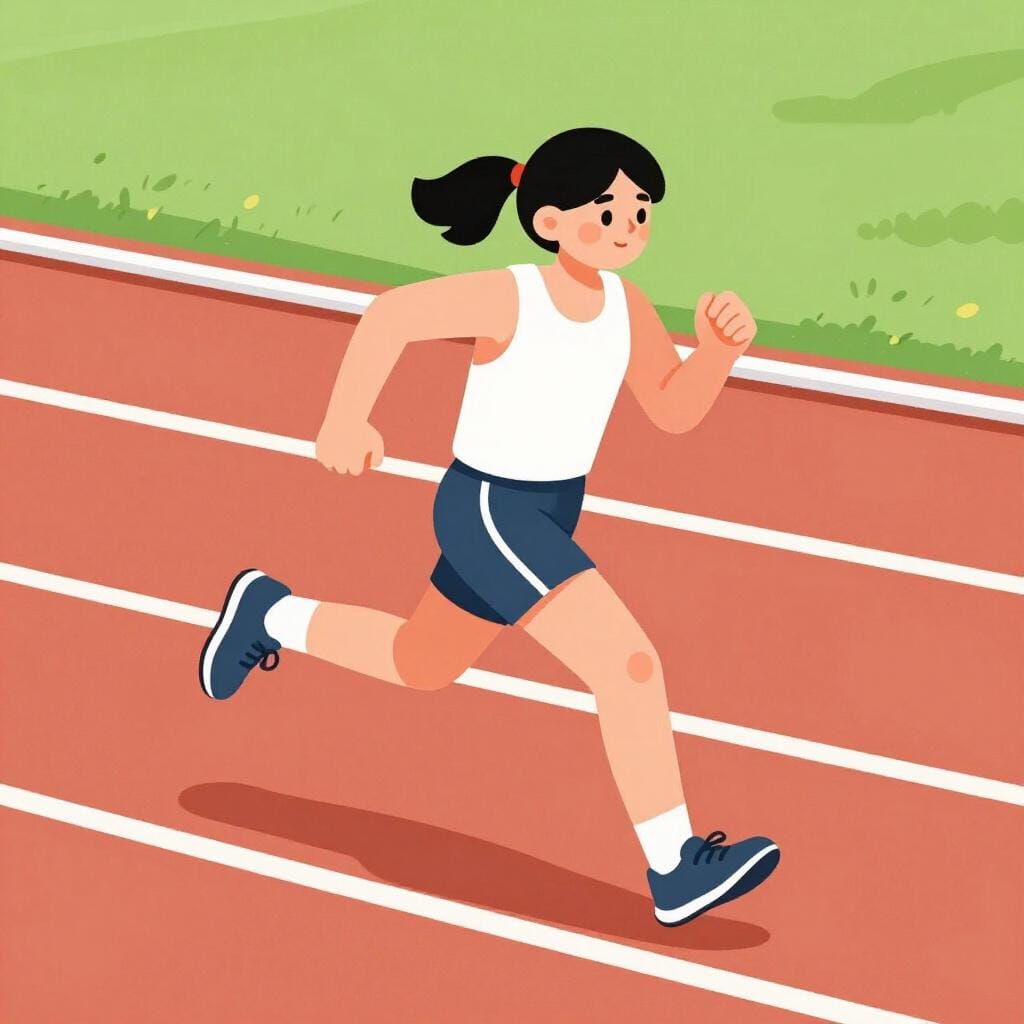
atleta
at-leh-tahaˈtleta

Examples
La atleta olímpica se preparó durante años para ganar la medalla de oro.
The Olympic athlete trained for years to win the gold medal.
Ella es una atleta increíble y corre muy rápido.
She is an incredible athlete and runs very fast.
Muchos atletas de todo el mundo compiten en las Olimpiadas.
Many athletes from all over the world compete in the Olympics.
Un buen atleta necesita disciplina y una dieta equilibrada.
A good athlete needs discipline and a balanced diet.
One word, two genders
The word 'atleta' is special because it doesn't change its ending. Whether you are talking about a man or a woman, it always ends in 'a'. You just change the small word in front: 'el atleta' (male) or 'la atleta' (female).
Specific vs. General
While 'deportista' is used for anyone playing any sport (like soccer or tennis), 'atleta' is often used more specifically for people in track and field events.
The 'Atleto' Trap
Mistake: “Saying 'el atleto' when talking about a man.”
Correction: Say 'el atleta'. Words that end in -ta (like dentist or poet) usually stay the same for both men and women in Spanish.
jugador
hoo-gah-DORxu.ɣaˈðoɾ
Examples
El jugador de tenis ganó el último punto del partido de forma espectacular.
The tennis player won the last point of the match spectacularly.
El jugador de baloncesto anotó 20 puntos en el partido.
The basketball player scored 20 points in the game.
Mi hermano es un jugador experto de ajedrez.
My brother is an expert chess player.
Todos los jugadores deben llevar el uniforme del equipo.
All the players must wear the team uniform.
Gender Change
Since this is a person, the word changes based on gender. To talk about a female player, change the ending to -a: la jugadora.
Specifying the Sport
To say which sport or game the person plays, use the word 'de' (of): jugador de fútbol, jugador de tenis.
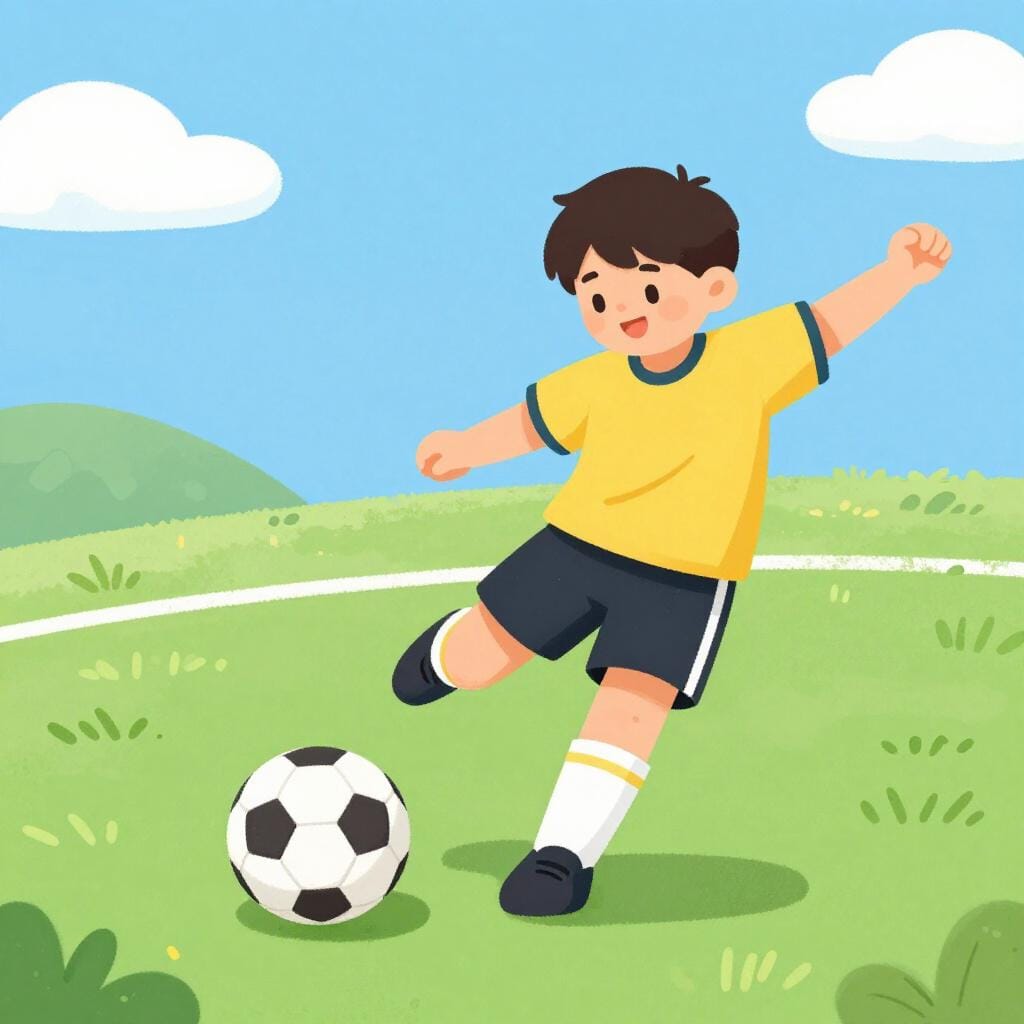
futbolista
foot-boh-LEE-stahfutβoˈlista
Examples
Ese futbolista es conocido por su increíble habilidad con el balón.
That soccer player is known for his incredible ball skills.
Lionel Messi es un futbolista muy famoso.
Lionel Messi is a very famous soccer player.
La futbolista marcó tres goles en el partido.
The soccer player scored three goals in the match.
Muchos niños sueñan con ser futbolistas profesionales algún día.
Many children dream of being professional footballers one day.
One word for both genders
This word doesn't change its ending. Whether you are talking about a man or a woman, the word is always 'futbolista'. You only change the word before it: 'el futbolista' (the man) or 'la futbolista' (the woman).
Professional vs. Casual
While 'jugador' means 'player' and can be anyone playing for fun, 'futbolista' often carries the connotation of someone who treats the sport as a serious career or dedicated pursuit.
The 'Futbolisto' Error
Mistake: “Calling a male player 'un futbolisto'.”
Correction: Always use 'futbolista'. Words ending in -ista don't change to 'o' for men.
General vs. Specific Terms
Related Translations
Learn Spanish with Inklingo
Interactive stories, personalized learning, and more.