How to Say "player" in Spanish
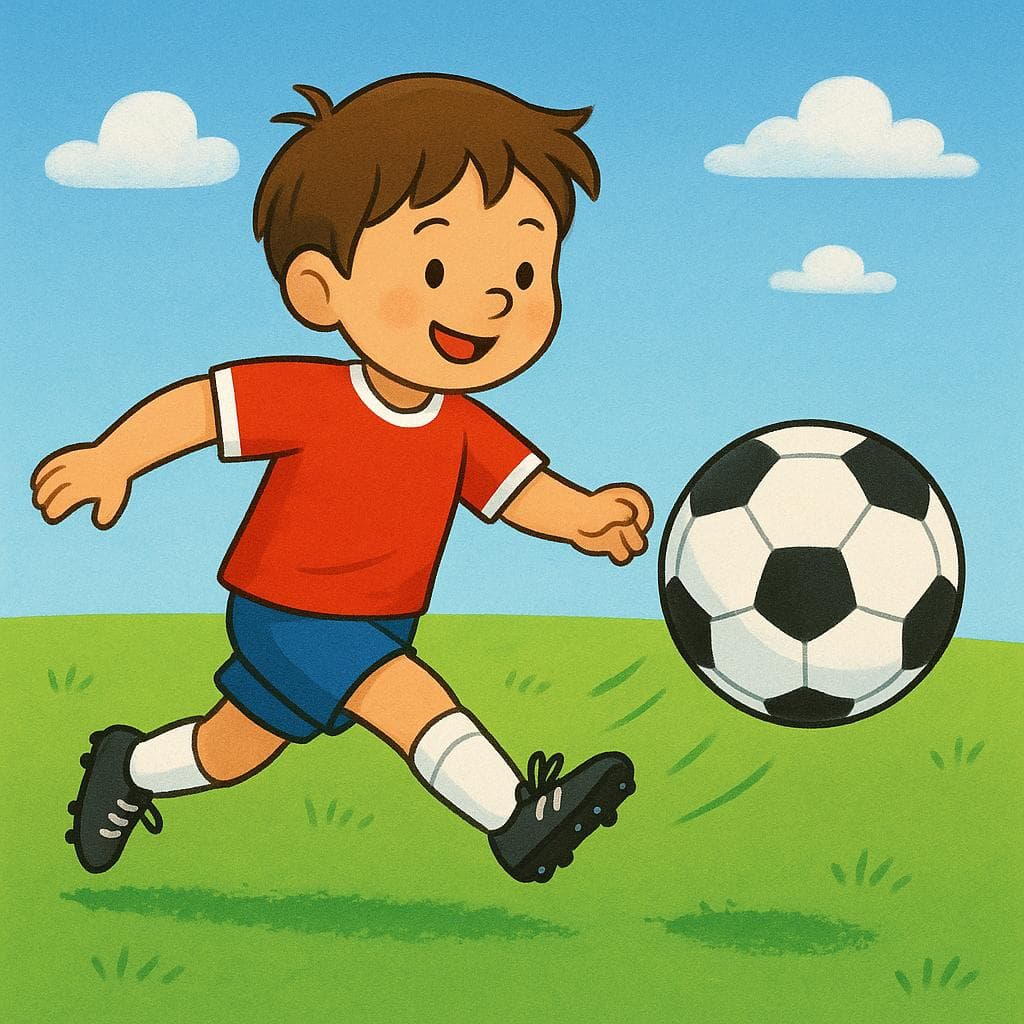
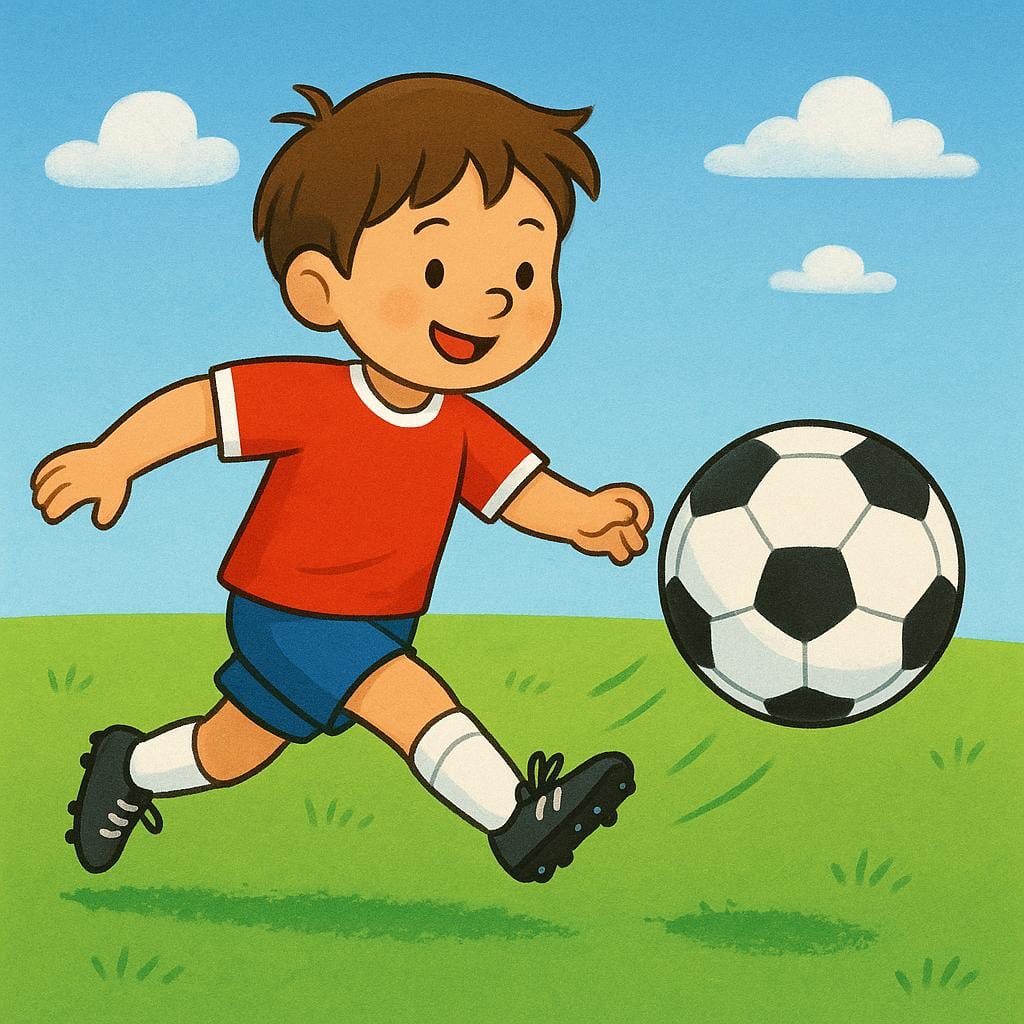
The most common Spanish word for “player” is “jugador” — use 'jugador' when referring to someone who plays a specific sport, a game, or participates in a competitive activity.
hoo-gah-DORxu.ɣaˈðoɾ
Examples
El jugador de ajedrez ganó la partida.
The chess player won the game.
El jugador de baloncesto anotó 20 puntos en el partido.
The basketball player scored 20 points in the game.
Mi hermano es un jugador experto de ajedrez.
My brother is an expert chess player.
Todos los jugadores deben llevar el uniforme del equipo.
All the players must wear the team uniform.
Gender Change
Since this is a person, the word changes based on gender. To talk about a female player, change the ending to -a: la jugadora.
Specifying the Sport
To say which sport or game the person plays, use the word 'de' (of): jugador de fútbol, jugador de tenis.
deh-por-TEES-tahdepoɾˈtista
Examples
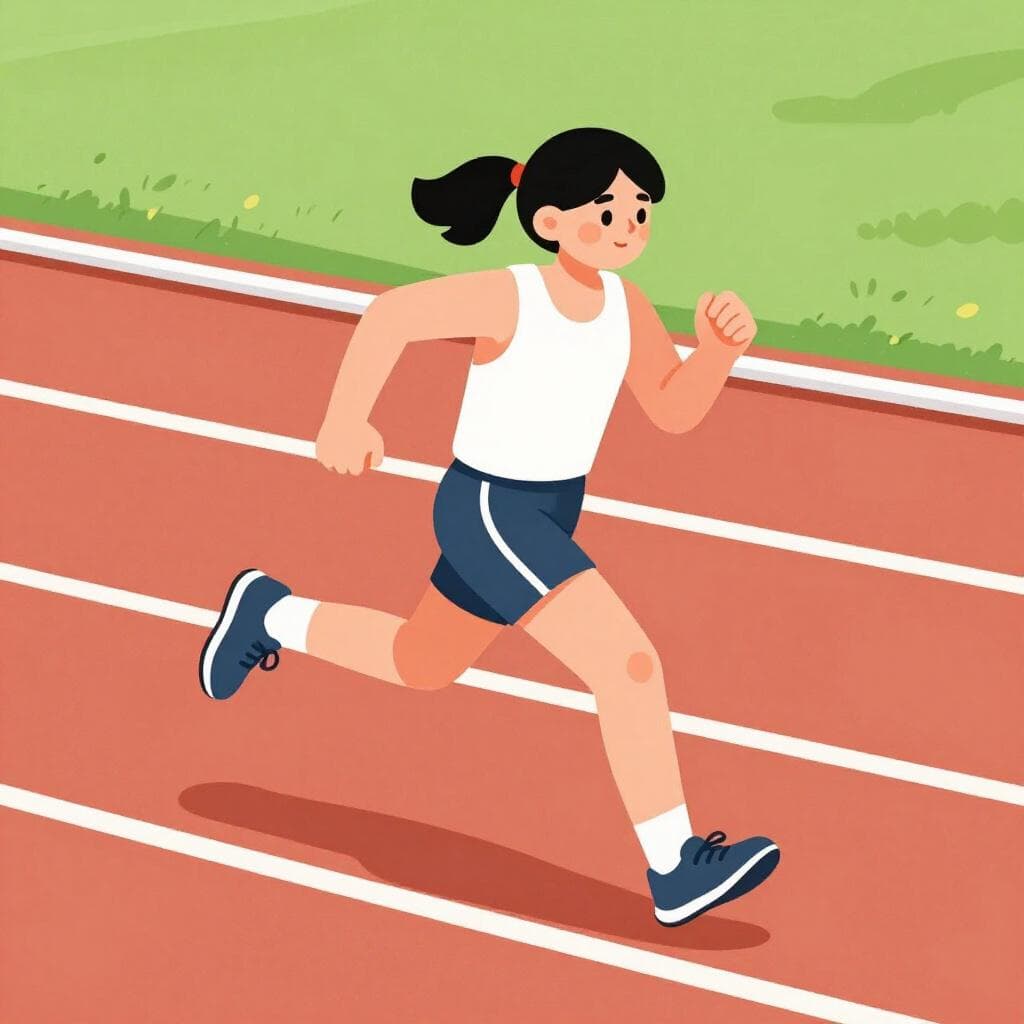
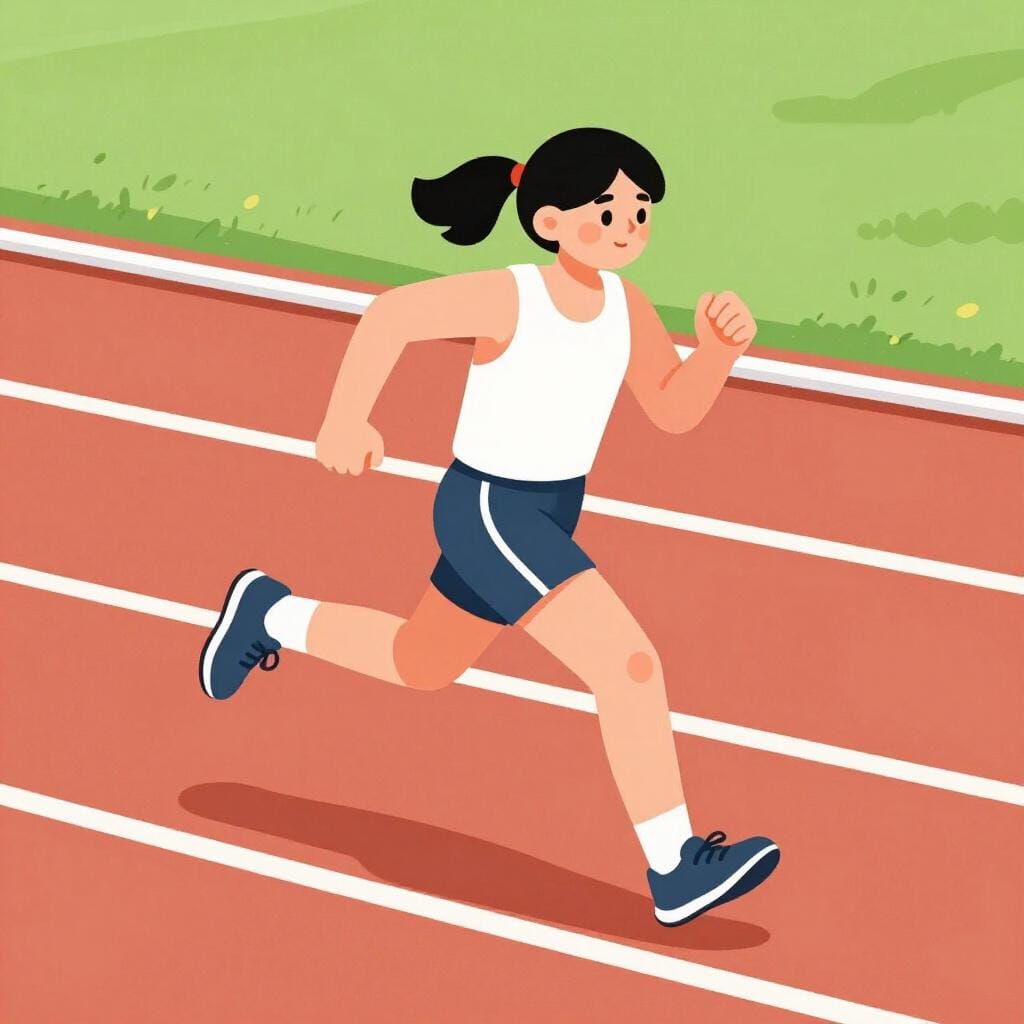
Ella es una deportista de élite que entrena cinco horas al día.
She is an elite athlete who trains five hours a day.
Rafael Nadal es un deportista increíble.
Rafael Nadal is an incredible athlete.
Ella es una deportista profesional de voleibol.
She is a professional volleyball player.
Los deportistas olímpicos entrenan varias horas al día.
Olympic athletes train several hours a day.
One word for both genders
The word always ends in 'a,' whether you are talking about a man or a woman. To show the difference, just change the word before it: 'el deportista' for a man and 'la deportista' for a woman.
The '-ista' pattern
Many words for jobs or hobbies in Spanish end in '-ista' (like dentista or artista). These words almost never change their ending to an 'o,' even when referring to men.
The 'Deportisto' Error
Mistake: “El es un deportisto muy bueno.”
Correction: Él es un deportista muy bueno. Even though 'él' is masculine, the word 'deportista' must keep its 'a' at the end.
Jugador vs. Deportista
The most common mistake is using 'deportista' when you simply mean someone playing a game or a specific sport. Reserve 'deportista' for when you want to emphasize the person's identity as an athlete or their dedication to sports.
Related Translations
Learn Spanish with Inklingo
Interactive stories, personalized learning, and more.