How to Say "barber" in Spanish
The most common Spanish word for “barber” is “barbero” — use 'barbero' when referring to a professional specifically for men's haircuts and beard trims, often implying a traditional barber shop setting.

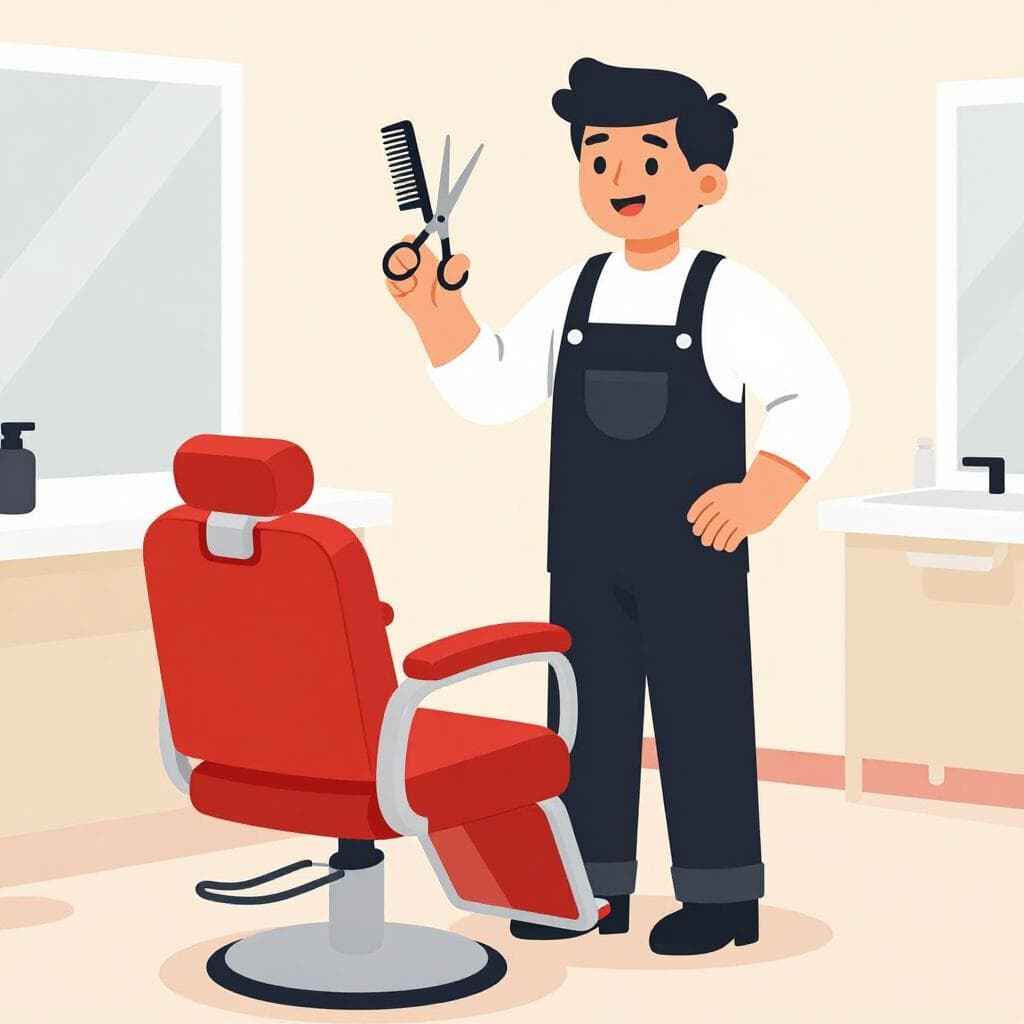
barbero
bar-BEH-rohbaɾˈbeɾo

Examples
Mi barbero siempre me deja el pelo perfecto.
My barber always leaves my hair perfect.
El barbero usa una navaja tradicional para afeitar.
The barber uses a traditional razor for shaving.
Había tres personas esperando en la silla del barbero.
There were three people waiting in the barber's chair.
People vs. Places
Use 'barbero' to talk about the person who does the cutting, but use 'barbería' to talk about the physical shop where they work.
Profession Gender
Even though 'barbero' is masculine, it is the standard way to refer to the profession. If the person is female, you change it to 'barbera'.
Confusing the person with the shop
Mistake: “Voy a la barbero.”
Correction: Voy a la barbería (the shop) or Voy al barbero (the person).
peluquero
peh-loo-KEH-rohpeluˈkeɾo
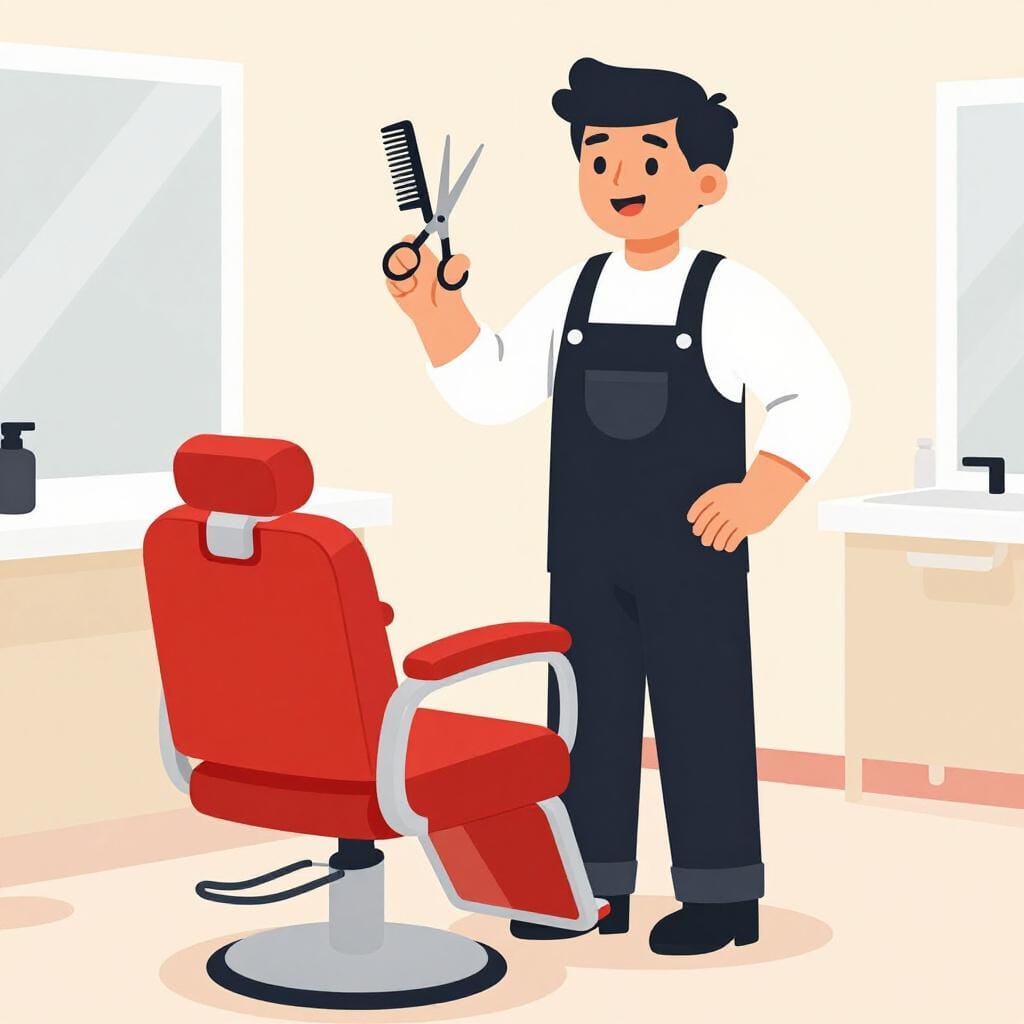
Examples
Mi peluquero siempre me corta el pelo muy bien.
My hairdresser always cuts my hair very well.
Mañana tengo cita con el peluquero a las cinco.
Tomorrow I have an appointment with the barber at five.
Busco un peluquero que sea experto en tintes.
I'm looking for a stylist who is an expert in hair dyes.
Male vs. Female professionals
In Spanish, job titles change depending on the person's gender. Use 'peluquero' for a man and 'peluquera' for a woman.
The Person vs. The Place
While 'peluquero' refers to the person, the shop where they work is called the 'peluquería'.
Using the wrong word for the salon
Mistake: “Voy al peluquero para comprar champú.”
Correction: Voy a la peluquería para comprar champú. Use 'peluquería' for the physical building and 'peluquero' for the person cutting your hair.
Barbero vs. Peluquero for Men
Related Translations
Learn Spanish with Inklingo
Interactive stories, personalized learning, and more.