How to Say "beats" in Spanish
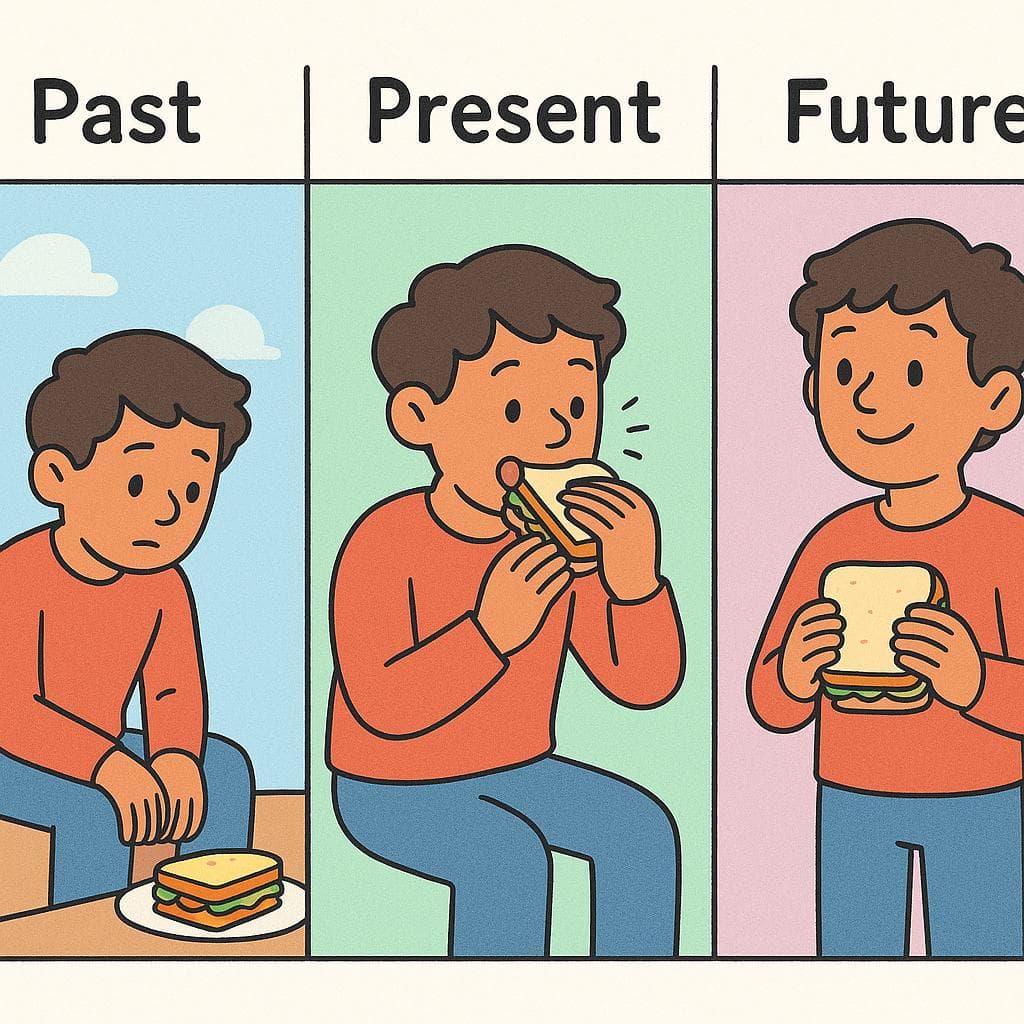
The most common Spanish word for “beats” is “late” — use 'late' when referring to the rhythmic pulsing of the heart or a similar physical pulsation.

late
LAH-tehˈlate

Examples
Mi corazón late rápido cuando estoy nervioso.
My heart beats fast when I am nervous.
El médico escucha cómo late su corazón.
The doctor listens to how his heart beats.
Using 'late' for constant actions
Even though it's a verb, we use this form to describe the natural, ongoing rhythm of the heart in the present.
The False Friend Trap
Mistake: “Using 'late' to mean 'tardy' or 'not on time'.”
Correction: In Spanish, if you want to say someone is late, use 'tarde'. 'Late' only refers to a beating heart or a throb.
tiempos
tee-EHM-posˈtjem.pos
Examples
Necesitas aprender los tiempos verbales del subjuntivo.
You need to learn the subjunctive verb tenses.
El segundo tiempo del partido fue mucho más emocionante.
The second half of the game was much more exciting.
Ella perdió el ritmo y no pudo seguir los tiempos de la música.
She lost the rhythm and couldn't follow the beats of the music.
Grammar Context
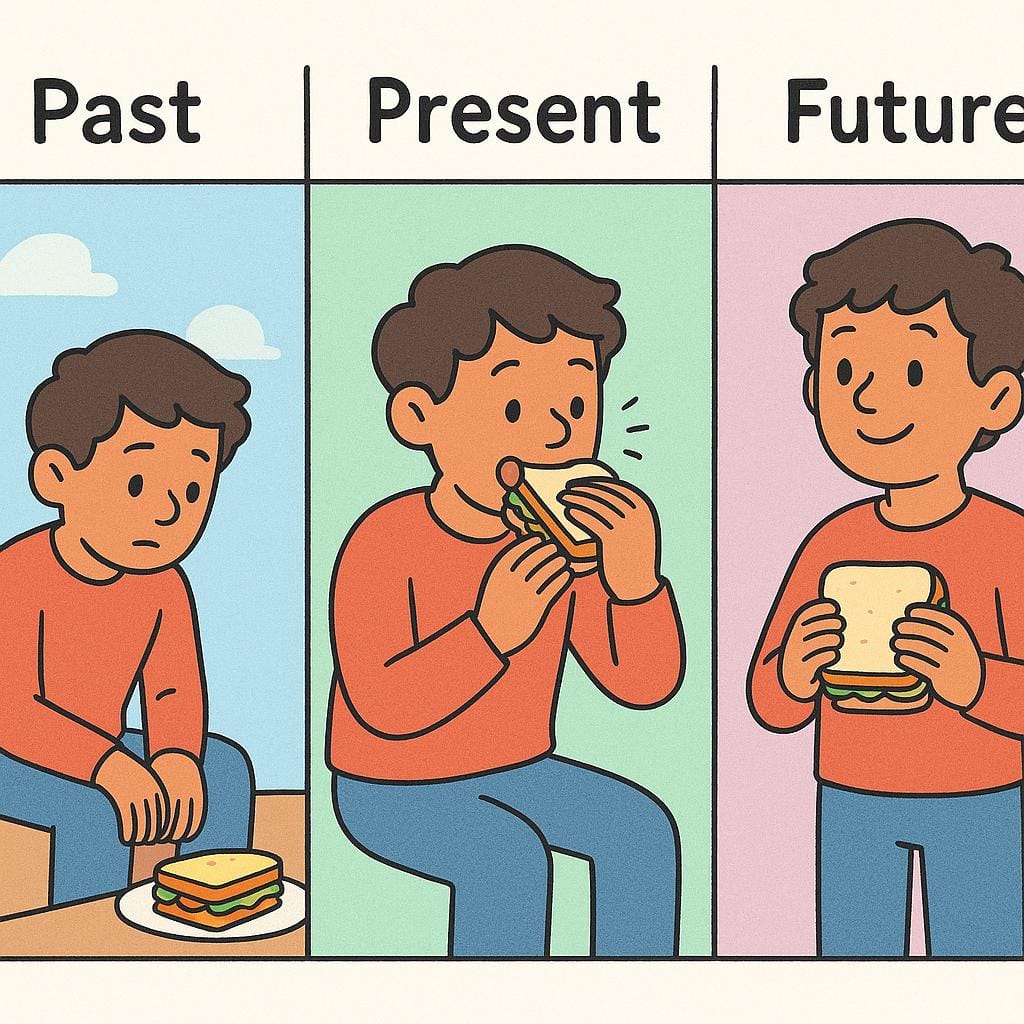
When talking about grammar, 'tiempos' refers to the different forms verbs take to show when an action happened (past, present, future).
Confusing Time vs. Tense
Mistake: “Using 'horas' (hours) or 'minutos' (minutes) when you mean grammatical 'tiempos'.”
Correction: 'Tiempos' in this context is purely academic; it refers to verbal conjugation forms, not measured duration.
Heartbeat vs. Rhythm/Tense
Learn Spanish with Inklingo
Interactive stories, personalized learning, and more.