How to Say "ages" in Spanish
The most common Spanish word for “ages” is “tiempos” — use 'tiempos' when referring to past eras or historical periods in a general sense, often with a nostalgic or reflective tone.


tiempos
tee-EHM-posˈtjem.pos
Examples
En aquellos tiempos, la vida era mucho más simple.
In those times, life was much simpler.
Recordamos los viejos tiempos con mucha nostalgia.
We remember the old times with a lot of nostalgia.
Estos son malos tiempos para la economía global.
These are bad times for the global economy.
Plural vs. Singular
While 'tiempo' (singular) often means 'time' or 'weather,' 'tiempos' (plural) almost always means historical periods, eras, or the general state of things.
milenio
mee-LEH-nyohmiˈlenjo

Examples
Estamos viviendo en el inicio de un nuevo milenio.
We are living in the beginning of a new millennium.
El tercer milenio comenzó en el año 2001.
The third millennium began in the year 2001.
Esa pirámide ha estado allí por más de un milenio.
That pyramid has been there for more than a millennium.
Gender of Time Words
This is a 'masculine' word, so you always use 'el' or 'un' with it (el milenio, un milenio).
Using 'Hace' with Time
To say 'a millennium ago,' use the word 'hace' before 'un milenio.' It works just like saying 'hace diez minutos' (ten minutes ago).
The Double 'L' Trap
Mistake: “millenio”
Correction: milenio (with only one 'L'). English uses two, but Spanish only needs one.
eras
EH-rahsˈeɾas
Examples
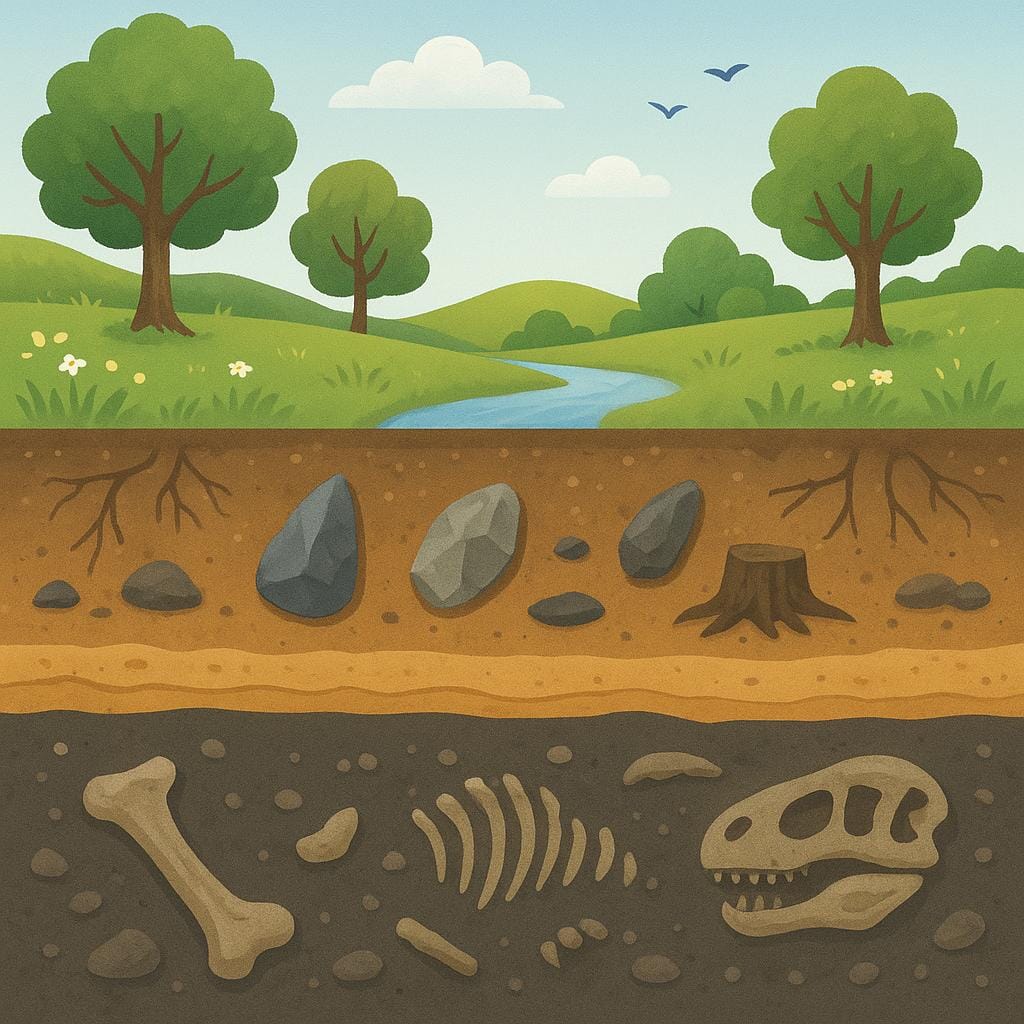
Los dinosaurios vivieron en eras geológicas pasadas.
Dinosaurs lived in past geological eras.
El libro describe las diferentes eras de la historia del arte.
The book describes the different eras of art history.
Estamos entrando en nuevas eras de exploración espacial.
We are entering new eras of space exploration.
Always Feminine
This word is the plural of 'la era', so 'eras' is always feminine. Remember to use feminine words like 'las' or 'muchas' with it: 'las eras pasadas' (the past eras).
Confusing with the Verb
Mistake: “La historia se divide en muchos eras.”
Correction: La historia se divide en muchas eras. The context is your best clue. If the sentence is about history or time, it's this noun. If it's about what 'you' (tú) used to be, it's the verb.
siglo
SEE-gloˈsiɣlo

Examples
Parece un siglo desde la última vez que fuimos de vacaciones.
It feels like ages since the last time we went on vacation.
¡Qué lento es este trámite! Llevo esperando un siglo.
This process is so slow! I've been waiting forever (literally: a century).
Use with 'Hacer'
You often use 'siglo' with the verb 'hacer' (hace un siglo) to mean 'it was a long time ago' or 'ages ago'.
Figurative vs. Literal Time
Learn Spanish with Inklingo
Interactive stories, personalized learning, and more.