How to Say "blackmail" in Spanish
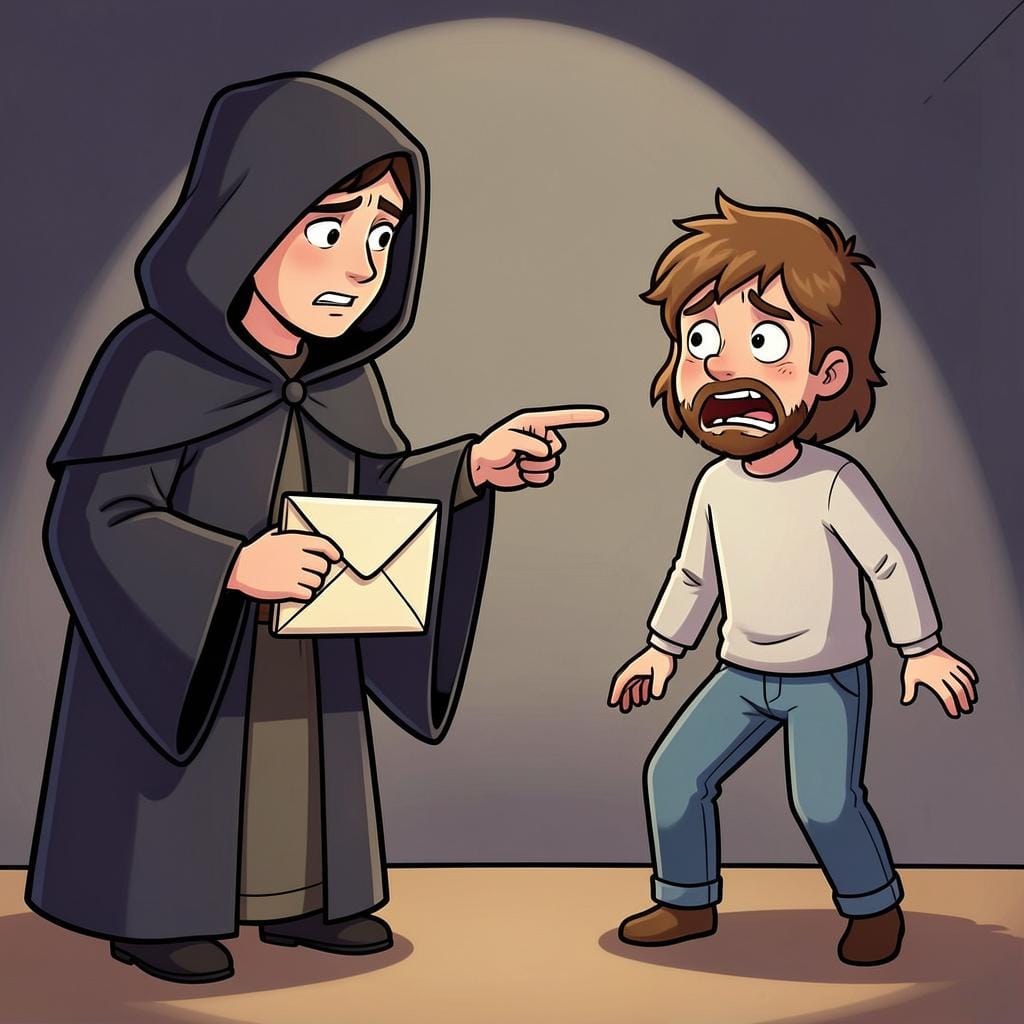
The most common Spanish word for “blackmail” is “chantaje” — use 'chantaje' when the threat involves revealing secrets, private information, or compromising material to extort money or favors.
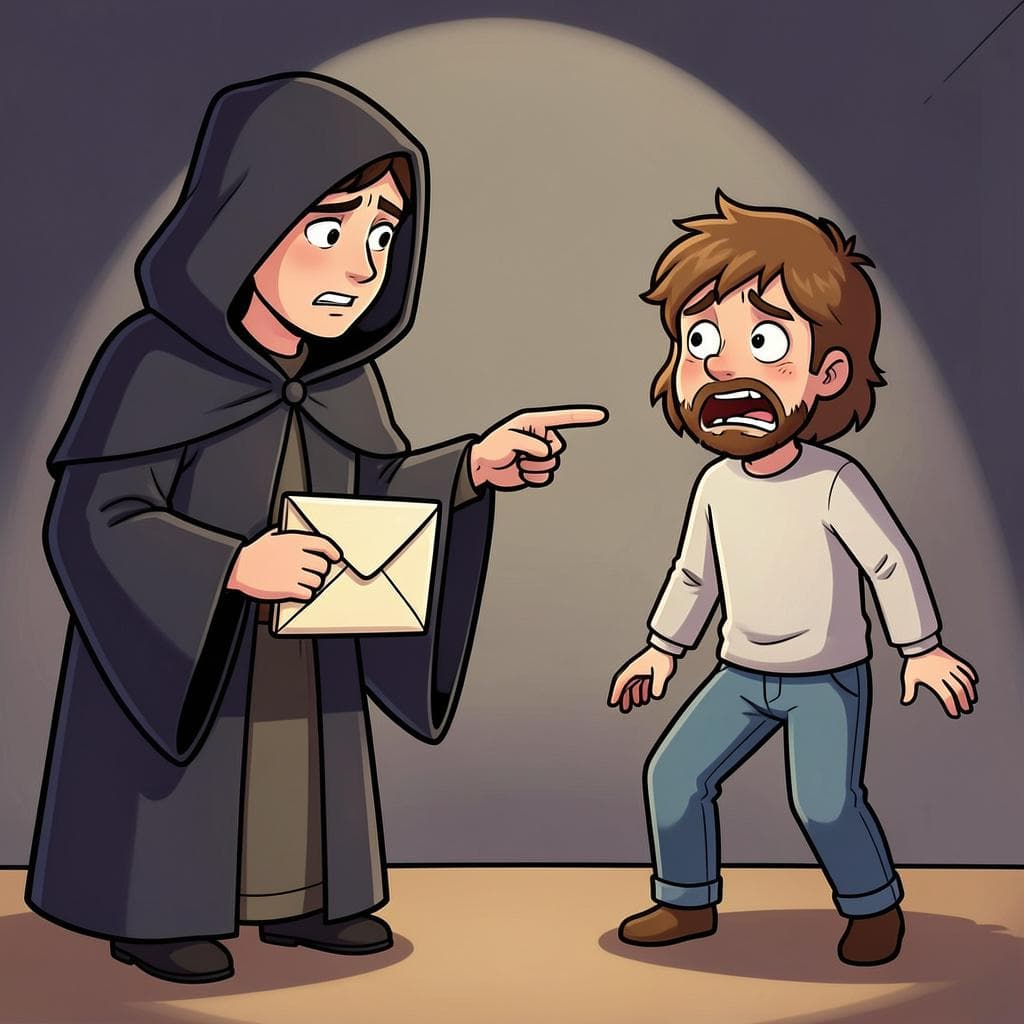
Use 'chantaje' when the threat involves revealing secrets, private information, or compromising material to extort money or favors.
Learn more →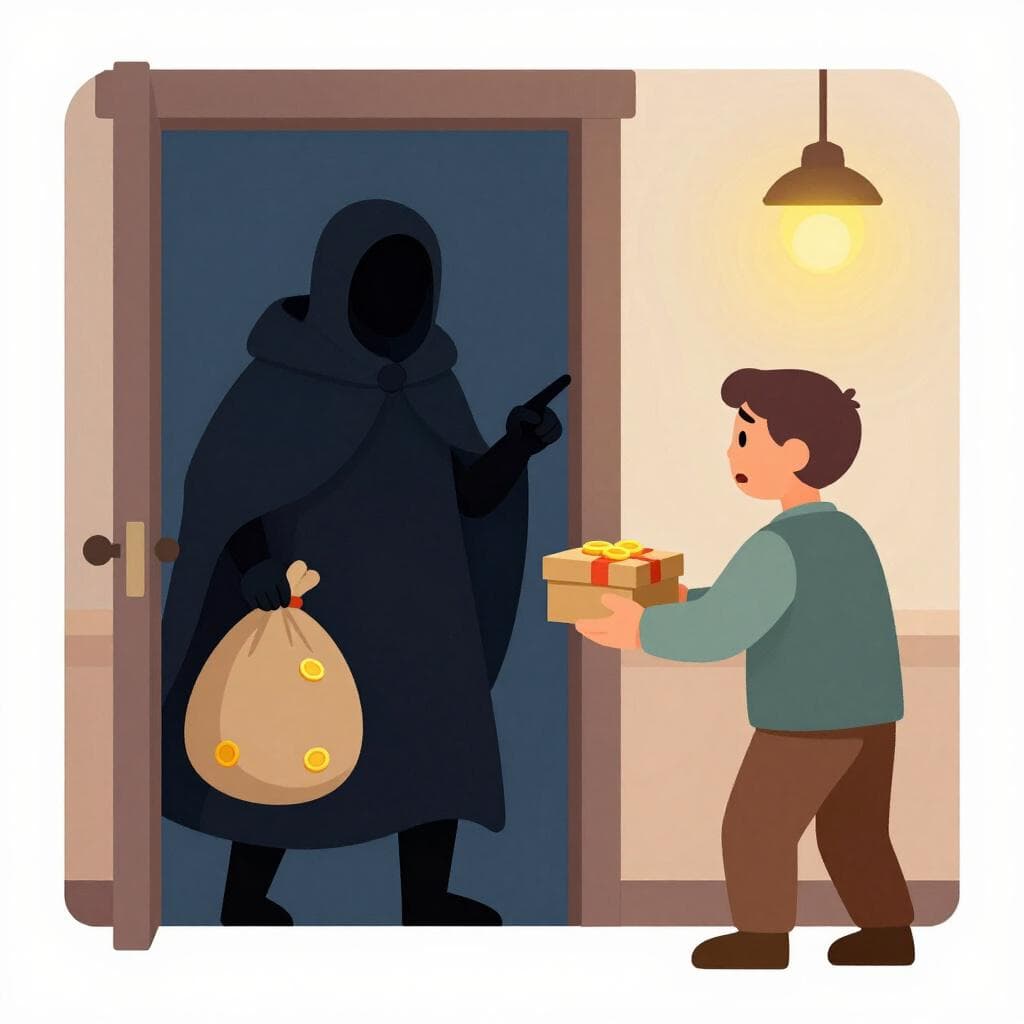
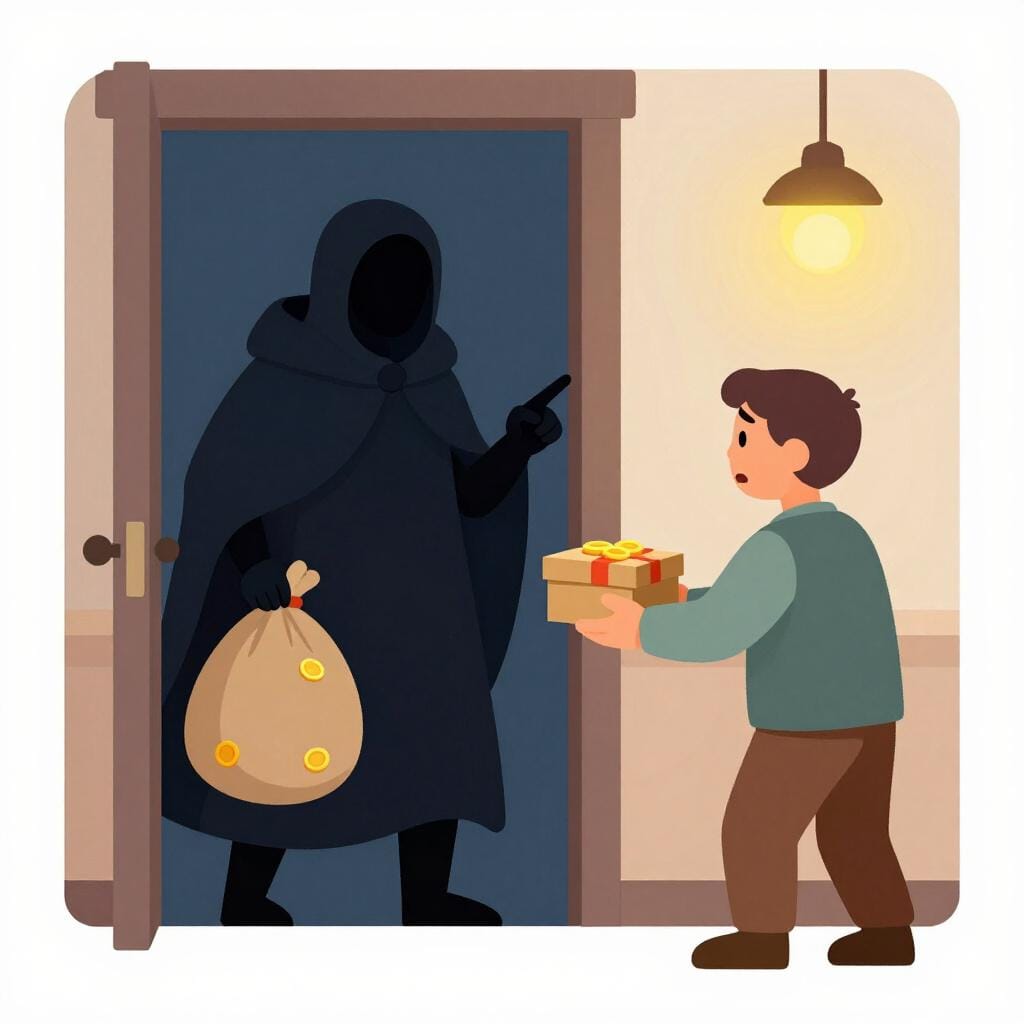
Use 'extorsión' for more serious criminal threats, especially those involving violence or harm to person or property, beyond just revealing secrets.
Learn more →chan-TA-heht͡ʃanˈtaxe
Examples
El chantaje al que fue sometido el actor le obligó a pagar una gran suma de dinero.
The blackmail the actor was subjected to forced him to pay a large sum of money.
El político fue víctima de un chantaje.
The politician was a victim of blackmail.
No voy a ceder a tu chantaje emocional.
I am not going to give in to your emotional blackmail.
Me están haciendo chantaje para que no diga la verdad.
They are blackmailing me so that I don't tell the truth.
Using 'Chantaje' as an Action
Since 'chantaje' is a thing (a noun), we use the verb 'hacer' (to do/make) with it to say someone is blackmailing another person: 'hacer chantaje a alguien'.
Blackmail as a Verb
Mistake: “Using 'chantaje' as a verb like in English.”
Correction: Use the actual verb 'chantajear' for the action, or 'hacer chantaje'. Don't say 'Yo chantaje tú'.
ex-tor-SYOHNekstoɾˈsjon
Examples
La policía desmanteló una red de extorsión que operaba en el centro de la ciudad.
The police dismantled an extortion ring that operated in the city center.
El empresario denunció una extorsión por parte de la mafia.
The businessman reported extortion by the mafia.
Las autoridades están investigando casos de extorsión telefónica.
Authorities are investigating cases of phone extortion.
Cedió a la extorsión porque temía por la seguridad de su familia.
He gave in to the extortion because he feared for his family's safety.
The '-sión' Gender Rule
Almost every Spanish word ending in '-sión' or '-ción' is feminine. You should always use 'la' or 'una' with this word.
Losing the Accent Mark
When you make this word plural (extorsiones), the accent mark on the 'o' disappears because the natural stress of the word moves.
Using the Wrong Gender
Mistake: “el extorsión”
Correction: la extorsión (it follows the feminine -sión rule).
Confusing with Blackmail
Mistake: “Usar 'extorsión' para secretos personales.”
Correction: Use 'chantaje' for emotional blackmail or secrets; 'extorsión' usually implies physical threats or organized crime.
Chantaje vs. Extorsión
Learners often confuse 'chantaje' and 'extorsión' because both involve threats. Remember that 'chantaje' is specifically about threatening to reveal secrets, while 'extorsión' implies a broader, often more severe, threat, frequently involving physical harm or damage.
Related Translations
Learn Spanish with Inklingo
Interactive stories, personalized learning, and more.