How to Say "boast" in Spanish
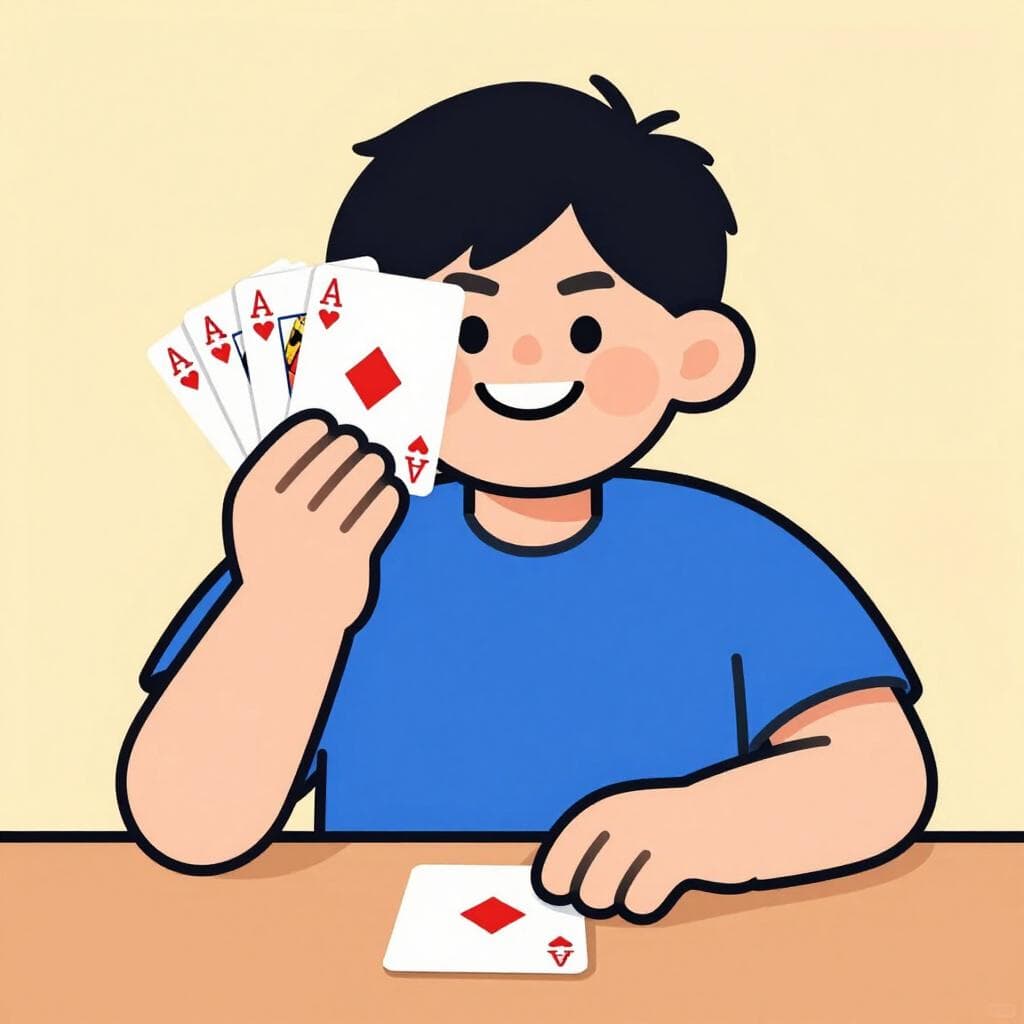
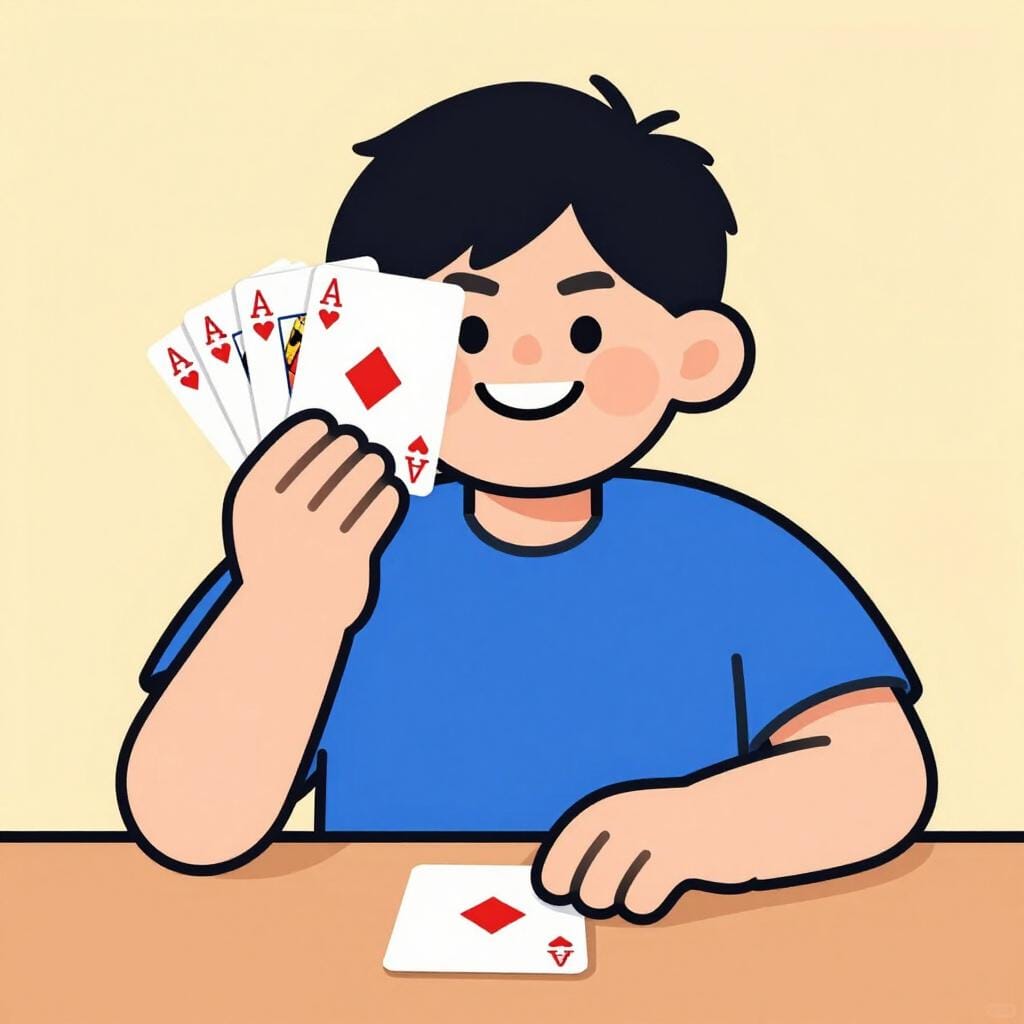
The most common Spanish word for “boast” is “farol” — use 'farol' when 'boast' refers to an untrue or exaggerated claim, often used in contexts like poker or to describe someone being full of hot air.

farol
fah-ROHLfaˈɾol
Examples
No creo que tenga un buen juego, es solo un farol.
I don't think he has a good hand; it's just a bluff.
Se marcó un farol diciendo que conocía al presidente.
He pulled a bluff saying he knew the president.
Juan es un experto en echar faroles en el póker.
Juan is an expert at bluffing in poker.
Using 'Marcarse'
When someone bluffs or brags, we often use the action word 'marcarse' before 'farol'. It sounds more natural than just saying 'to make'.
Avoiding 'Blef'
Mistake: “Saying 'hacer un blef'.”
Correction: While 'blef' exists as a direct borrow from English, 'un farol' is the authentic Spanish way to say it.
gala
gah-lahˈɡala

Examples
El equipo hizo gala de su gran compañerismo.
The team showed off their great camaraderie.
Hizo gala de una paciencia infinita con los niños.
He displayed infinite patience with the children.
Siempre hace gala de sus conocimientos técnicos.
He is always showing off his technical knowledge.
The structure of 'hacer gala'
This is a fixed phrase. You almost always use the verb 'hacer' (to do/make) + 'gala' + the word 'de' (of) followed by the thing you are showing off.
Missing the 'de'
Mistake: “Hacer gala su talento.”
Correction: Hacer gala DE su talento. You always need the 'de' to connect it to the quality you are mentioning.
Confusing Bluffing with Showing Off
Related Translations
Learn Spanish with Inklingo
Interactive stories, personalized learning, and more.