How to Say "cafeteria" in Spanish
The most common Spanish word for “cafeteria” is “cafetería” — use 'cafetería' when referring to a general dining hall, particularly in schools, offices, or public institutions where meals are served.
Use 'cafetería' when referring to a general dining hall, particularly in schools, offices, or public institutions where meals are served.
Learn more →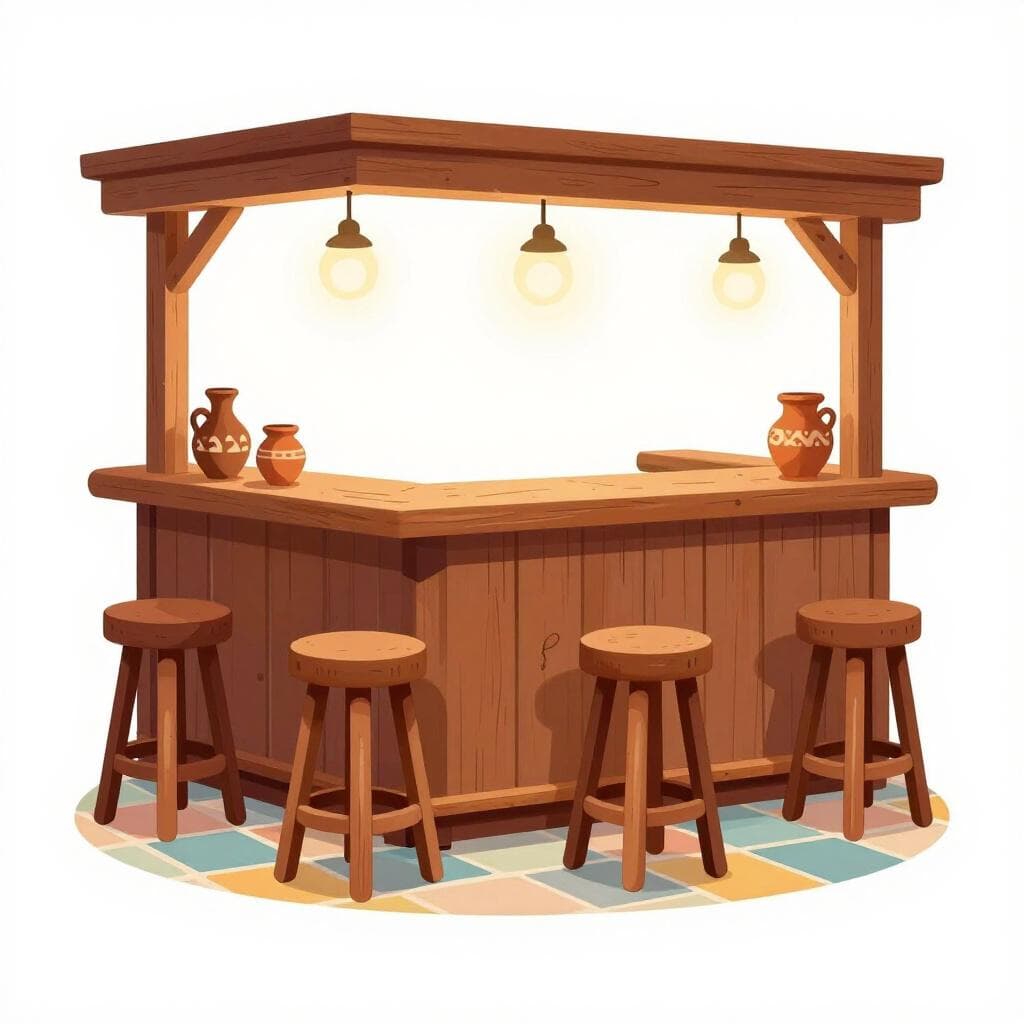
Use 'cantina' for a place that serves food and drinks, often in a more casual setting like a factory, train station, or sometimes as a small bar serving snacks.
Learn more →cafetería
Examples
Los estudiantes comen el almuerzo en la cafetería escolar.
The students eat lunch in the school cafeteria.
kan-TEE-nahkanˈtina

Examples
Vamos a la cantina para tomar unos tequilas y comer botanas.
Let's go to the bar to have some tequilas and eat snacks.
Los trabajadores almuerzan todos los días en la cantina de la fábrica.
The workers eat lunch every day in the factory cafeteria.
La cantina del instituto vende sándwiches muy buenos.
The high school snack bar sells very good sandwiches.
Gender Identification
Since this word ends in '-a', it is feminine. Always use feminine markers like 'la cantina' (the bar) or 'una cantina' (a bar).
Pluralization
To make it plural, just add an '-s' at the end: 'las cantinas'. The stress remains on the second-to-last syllable.
Canteen vs. Cantimplora
Mistake: “Using 'cantina' to mean a water bottle for hiking.”
Correction: Use 'cantimplora' for a portable water flask. In Spanish, a 'cantina' is a place (a room or building), not a bottle you carry.
Cafetería vs. Cantina
The most common mistake is using 'cantina' for a standard school or office lunchroom. While both can be places to eat, 'cafetería' is the safer, more direct translation for a typical cafeteria setting. Reserve 'cantina' for places that also strongly feature alcoholic drinks or have a more bar-like atmosphere.
Related Translations
Learn Spanish with Inklingo
Interactive stories, personalized learning, and more.