How to Say "cd" in Spanish
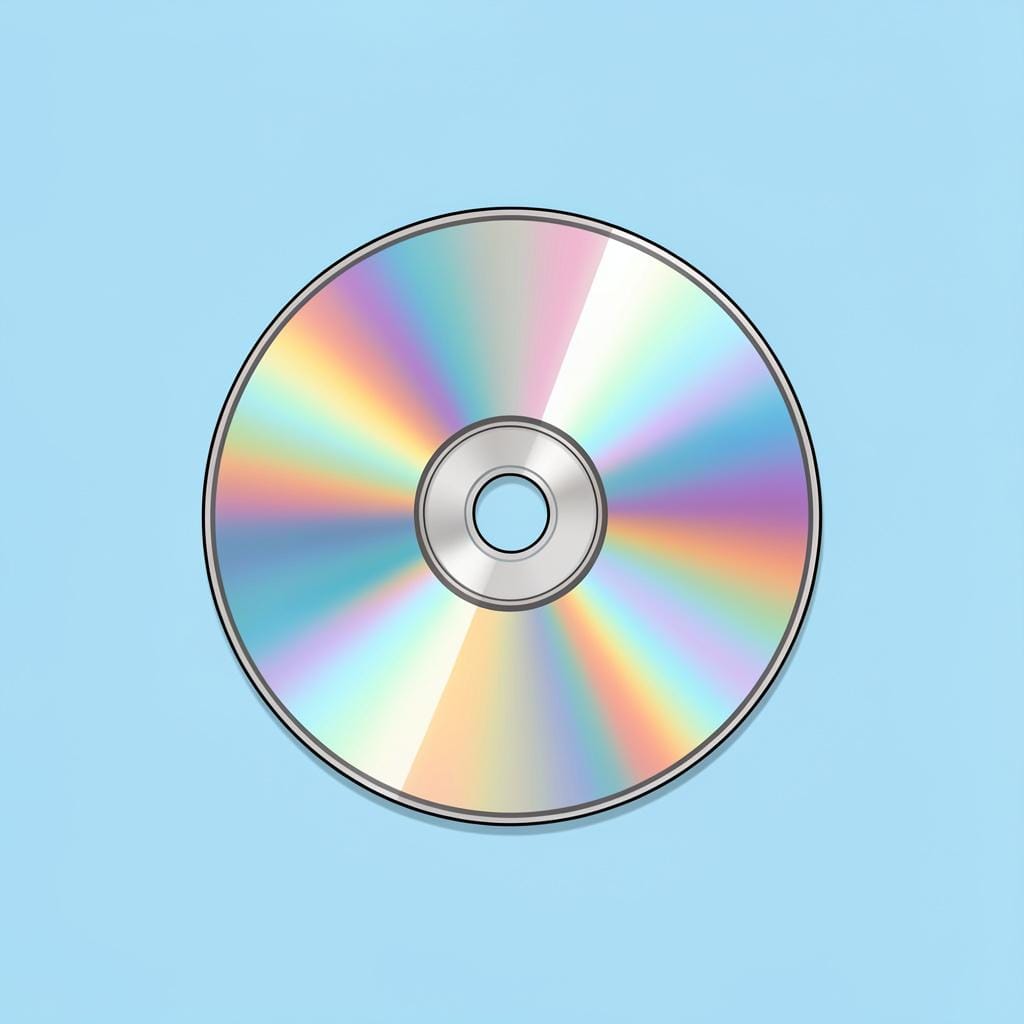
The most common Spanish word for “cd” is “cd” — use 'cd' when referring specifically to a compact disc used for storing music or digital data.
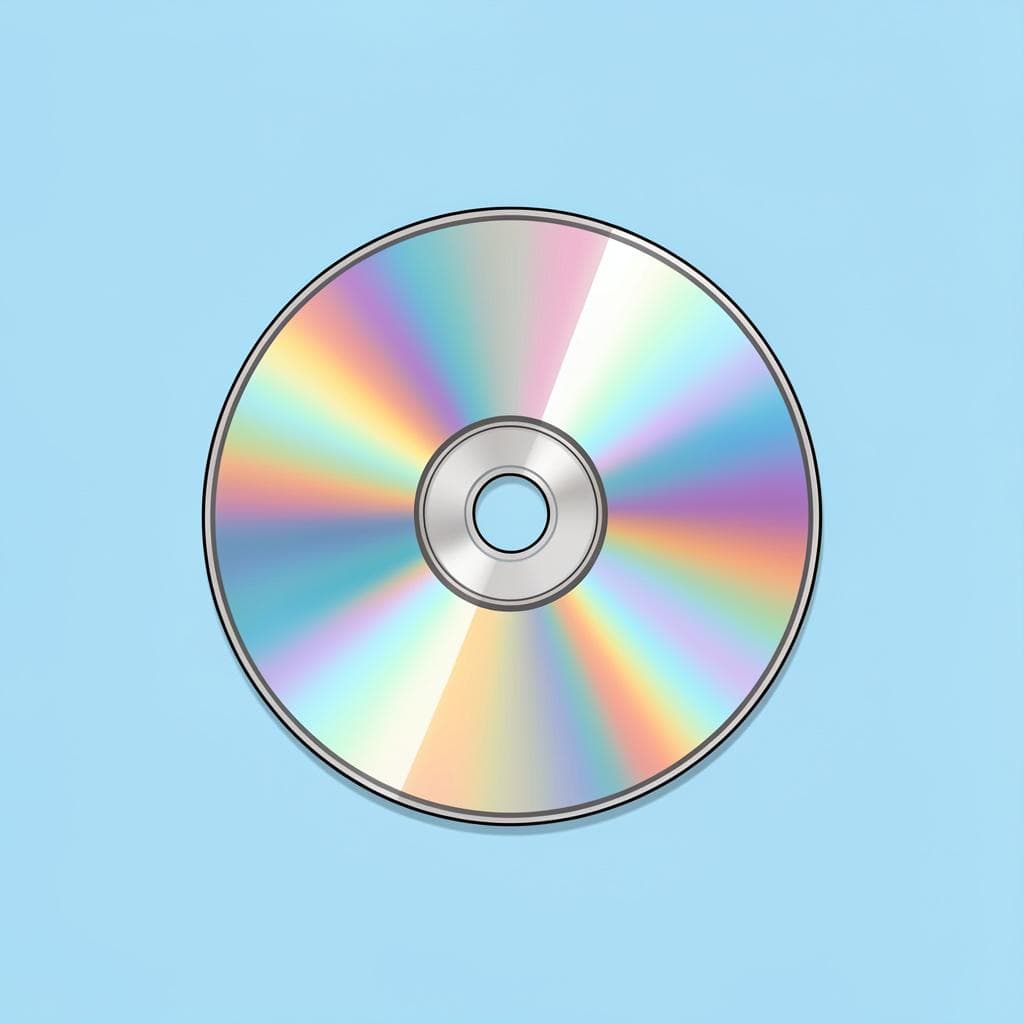
cd
seh-DEHseˈðe
Examples
Tengo un cd de mi banda favorita.
I have a CD of my favorite band.
¿Dónde pusiste el cd de rock?
Where did you put the rock CD?
Mi coche todavía tiene reproductor de cd.
My car still has a CD player.
Gender of CD
Even though it is an abbreviation from English, it is masculine in Spanish because the word for disc ('disco') is masculine. Always use 'el' or 'un'.
Making it Plural
Technically, abbreviations in Spanish don't add an 's' when written (los CD), but most people add a lowercase 's' (los CDs) or just say 'los cedés' when speaking.
Pronunciation
Mistake: “Pronouncing it like the English letters 'C-D'.”
Correction: Pronounce it using the Spanish letter names: 'seh-DEH'.
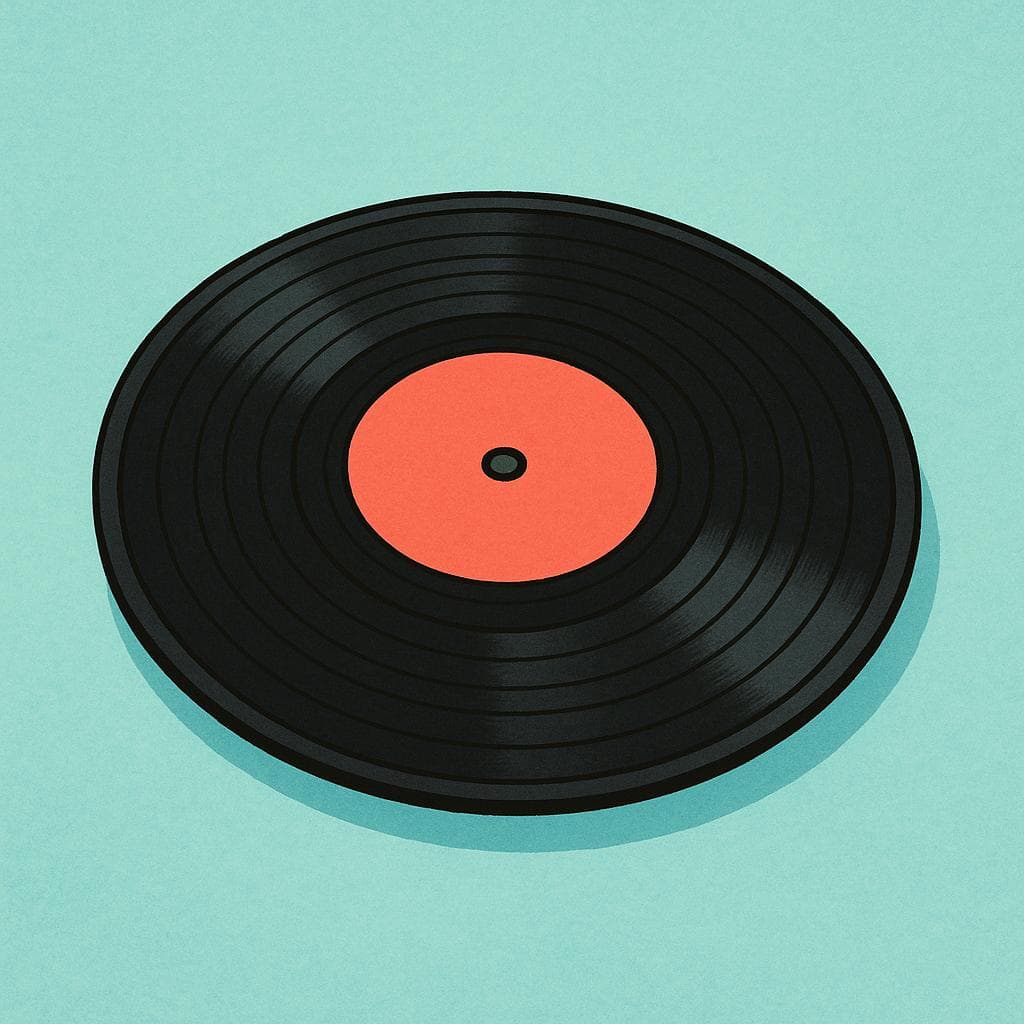
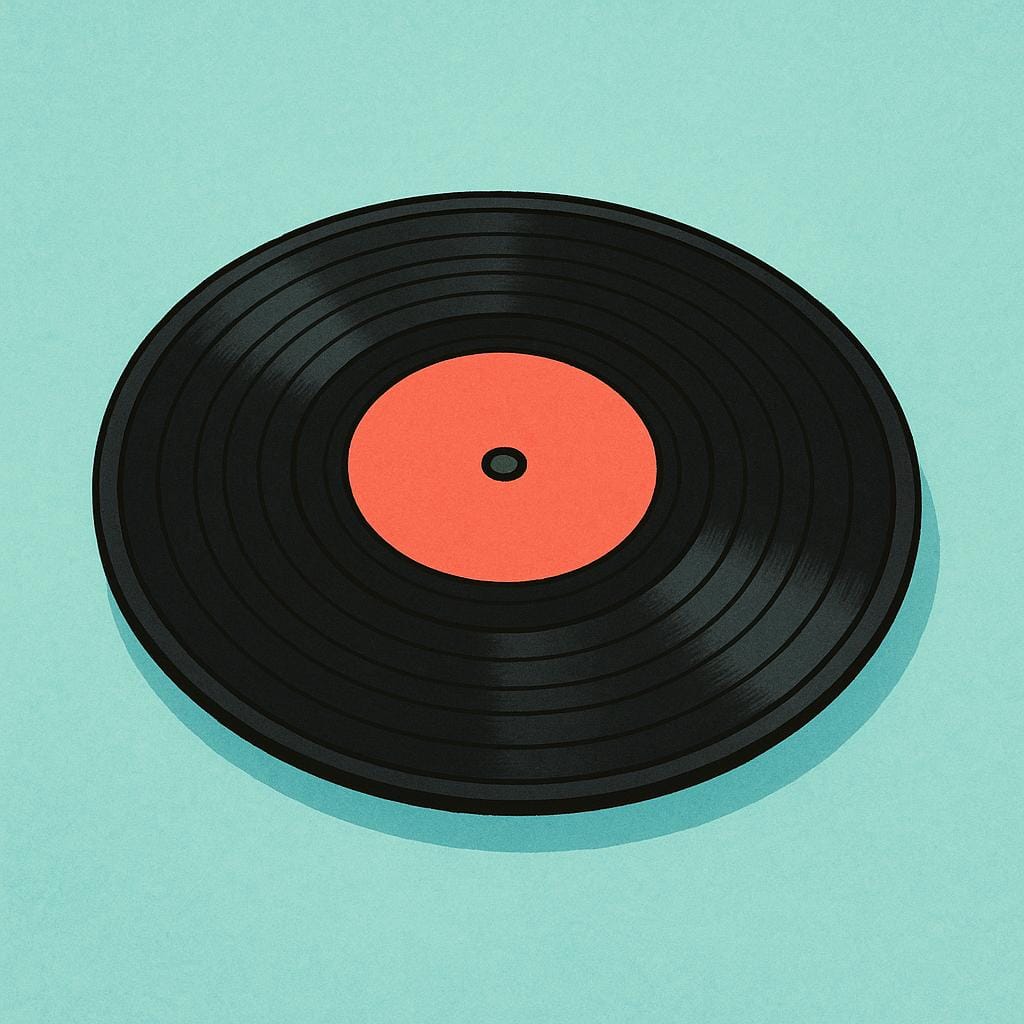
disco
DEES-kohˈdisko
Examples
Mi abuelo todavía escucha música en discos de vinilo.
My grandfather still listens to music on vinyl records.
Este es el nuevo disco de mi banda favorita.
This is the new album by my favorite band.
Masculine Noun Rule
'Disco' is always masculine, so you must use 'el' or 'un' before it, even though it ends in '-o'.
CD vs. Disco
Related Translations
Learn Spanish with Inklingo
Interactive stories, personalized learning, and more.